
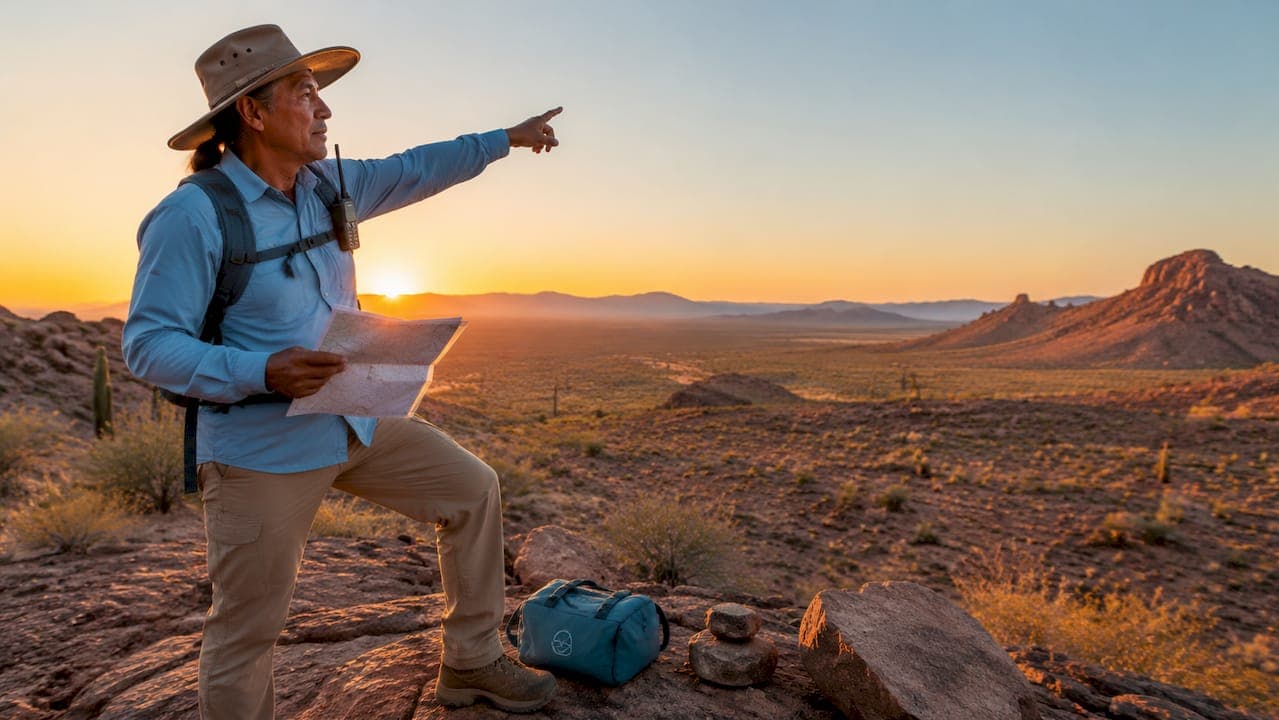
A local desert guide is a professional cultural ambassador who combines safety management, terrain expertise, and cultural storytelling to transform desert visits into meaningful experiences. The term "local desert guide" is widely used by travelers, but the recognized industry title is licensed desert expedition guide, a role requiring certifications, local permits, and deep community ties. Whether you're planning desert adventures in Palm Springs or a multi-day Sahara crossing, understanding what a local desert guide actually does changes how you plan, what you see, and whether you come home safely.
What is a local desert guide and what do they actually do?
A local desert guide is a professional who provides safety management and cultural interpretation far beyond what typical commercial operators offer. They are not simply drivers or route-followers. They are trained navigators, cultural translators, and emergency responders operating in one of the most unforgiving environments on earth.
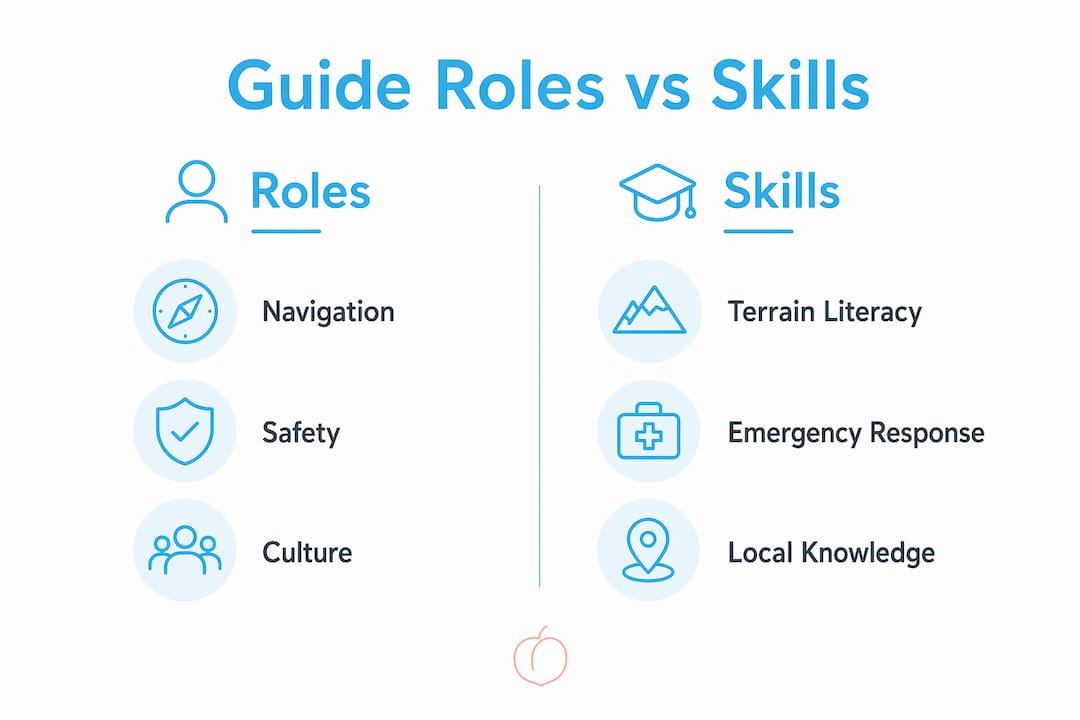
The core responsibilities fall into three categories. First, navigation: guides read terrain using mental maps built over years, tracking dune shapes, Ghaf trees, fence lines, and wind direction rather than relying on GPS for everyday movement. Second, safety: a competent guide plans hydration at one gallon of water per person per day, monitors weather windows, and builds contingency plans before any group leaves camp. Third, cultural interpretation: guides share folklore, tribal history, and social etiquette that no app or travel blog can replicate.
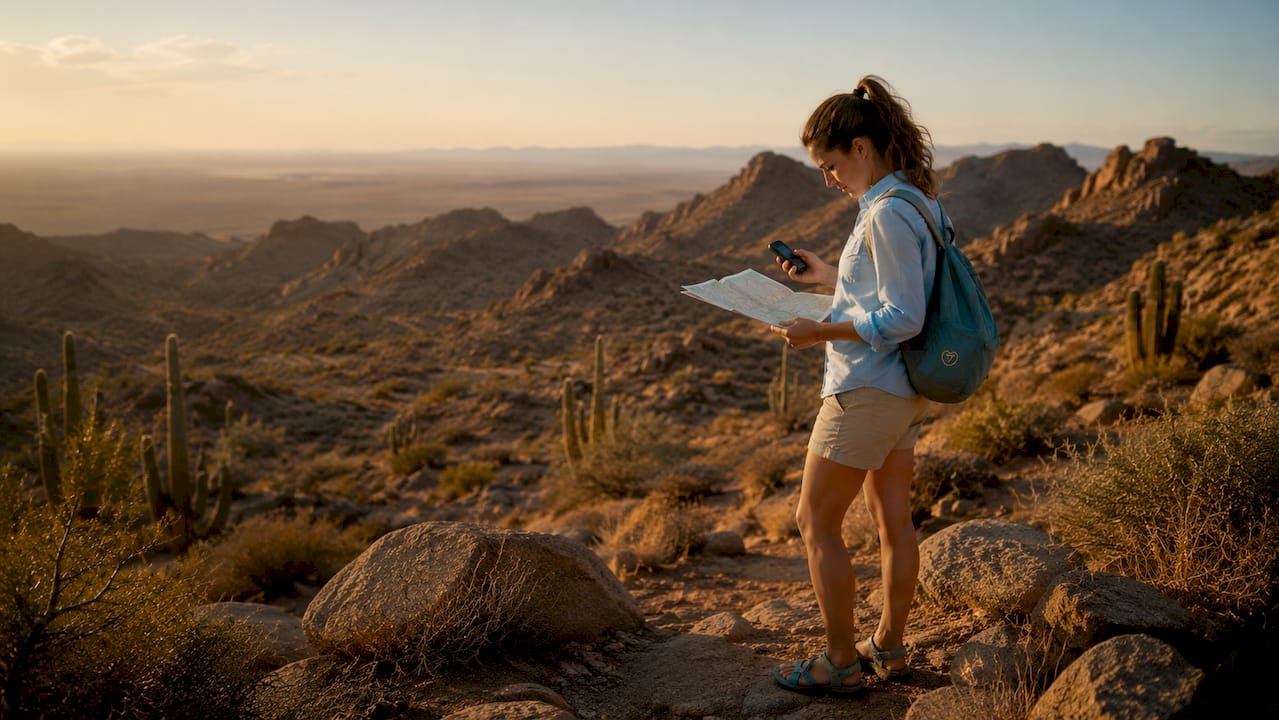
The difference between a guide and a tour operator is depth. A commercial operator moves groups from point A to point B on a fixed schedule. A local desert guide adjusts the route based on conditions, reads the group's energy, and decides whether to push forward or turn back. That judgment comes from years of embedded experience, not a laminated safety card.
What skills and knowledge does a local desert guide bring?
Navigation without GPS is the skill that separates genuine local guides from weekend operators. Local guides navigate using visual landmarks and environmental cues, tracking dune shapes, sun angles, and wind patterns built into their memory over years of daily practice. GPS is carried for emergencies, but terrain literacy is the primary tool. This matters because dunes shift, and a guide who depends entirely on technology will get lost when the battery dies.
Safety management goes well beyond carrying extra water. The best guides build formal contingency plans that include:
- Hydration targets of one gallon per person per day, adjusted for heat and exertion
- Weather risk assessment before departure and at regular intervals during the trip
- Communication protocols including Channel 10 radio use and strict turnaround times
- Emergency preparedness covering first aid, shelter, and satellite communication for remote expeditions requiring 2–7 day itineraries
Cultural knowledge is the third pillar. Guides explain the significance of landmarks, share family histories tied to specific valleys, and coach visitors on social rituals. Cultural translation includes navigating hospitality customs like accepting mint tea, understanding bargaining etiquette, and knowing when silence is more respectful than questions. These are not optional extras. They are the difference between a trip and an experience.
Pro Tip: Before booking, ask your guide directly about their safety certifications and whether they carry satellite communication equipment. A guide who cannot answer clearly is not ready for remote terrain.
How do local desert guides differ from commercial tour operators?
The clearest way to understand the difference is to compare what each type of guide actually delivers.
| Feature | Local guide | Commercial tour operator | DIY exploration |
|---|---|---|---|
| Navigation method | Terrain literacy and mental maps | GPS and fixed routes | GPS only |
| Cultural depth | Personal stories, tribal history, social etiquette | Scripted commentary | None |
| Flexibility | Fully customizable pace and route | Fixed schedule | Unlimited but risky |
| Safety management | Contingency plans, radio, hydration protocols | Basic first aid | Self-managed |
| Access to hidden sites | Yes, through community connections | Rarely | No |
| Group size | Small, often private | Large groups | Solo or self-organized |
Private desert tours with local guides offer flexibility, customizable pace, and access to authentic cultural experiences that group tours cannot match. A guide with 35 or more years of experience can take you off the standard route entirely, adjusting the itinerary to your interests and physical condition. That level of personalization is structurally impossible in a bus tour.
Guides deeply embedded in local communities also provide what researchers call "social access." This means entry to local markets, introductions to community elders, and visits to private sites that are off limits to standard tourists. You cannot buy that access on a booking platform. It comes from trust built over generations.
DIY desert exploration carries real risk. Without terrain literacy, a wrong turn in shifting dunes can become a survival situation within hours. The desert does not forgive overconfidence.
How to find and select the best local desert guide
Finding a trustworthy guide requires more than reading reviews. Follow these steps to vet candidates properly.
- Start with reputable platforms. ToursByLocals and local tourism board directories list guides who have passed background checks and hold verified certifications. These platforms also carry genuine traveler reviews, not curated testimonials.
- Check certifications and memberships. Licensed operators are required for deep expeditions that need permits. Ask specifically about wilderness first aid training, tourism board registration, and any specialty certifications relevant to your destination.
- Ask direct questions about experience. How many years have they guided in this specific terrain? What is their protocol if a traveler becomes ill? Do they carry satellite communication? Vague answers are a red flag.
- Test language skills early. Travel agents recommend testing a guide's language skills in your first conversation. Clear communication is not a bonus feature. It is a safety requirement.
- Prioritize passion over price. The best guides communicate clearly, prioritize safety, and show genuine passion for sharing their heritage. A guide who leads with price discounts and skips questions about your interests is optimizing for volume, not your experience.
- Avoid the cheapest option for remote terrain. Budget guides cutting corners on equipment or permits create real liability in wilderness settings. For a safe desert adventure, the guide's qualifications matter more than the price difference.
Pro Tip: Ask your hotel concierge or local guesthouse staff for guide referrals. Staff who live in the area know which guides are genuinely respected in the community versus those who market aggressively to tourists.
What should travelers expect during a guided desert tour?
A well-run guided desert tour feels nothing like a packaged excursion. The itinerary bends around you, not around a bus schedule.
Expect your guide to tailor the route based on your fitness level, interests, and the day's conditions. A guide who notices you're slowing down will adjust the pace or suggest a shaded rest point before you ask. That kind of attentiveness comes from experience reading people, not just terrain.
Cultural encounters are woven into the route rather than staged at designated stops. You might share tea with a nomadic family, hear a story about a specific rock formation tied to a local legend, or learn why a particular tree marks a historic trade route. Guides transform travelers from tourists into observers by connecting personal family history and deep local traditions to the landscape around you.
Safety practices run quietly in the background throughout the trip:
- Hydration checks at regular intervals, not just when someone asks
- Route adjustments based on wind and temperature changes
- Clear turnaround times communicated before departure
- Ecological sensitivity, including staying on established paths and leaving no trace
Local guides' ecological awareness also protects the environment you came to see. They educate travelers on minimizing their footprint, which preserves fragile desert ecosystems for future visitors. This is not a lecture. It is built into how they move through the landscape.
Key Takeaways
A local desert guide is the single most important factor in whether a desert trip is safe, authentic, and worth remembering.
| Point | Details |
|---|---|
| Definition of the role | A local desert guide is a licensed cultural ambassador combining navigation, safety, and storytelling. |
| Navigation method | Guides use terrain literacy and mental maps, not GPS, as their primary navigation tool. |
| Safety protocols | Effective guides plan hydration at one gallon per person per day and carry satellite communication for remote trips. |
| Selecting a guide | Verify certifications, test language skills, and prioritize passion and safety record over low cost. |
| What to expect on tour | Tailored itineraries, cultural encounters, ecological sensitivity, and continuous safety monitoring throughout. |
Why local guides changed how I think about desert travel
The first time I hired a local guide instead of joining a group tour, I expected a more personal version of the same experience. What I got was completely different. The guide stopped the jeep at a cluster of Ghaf trees and explained that his grandfather had used that exact grove as a navigation marker for forty years. No commercial tour script contains that sentence.
What strikes me most about the best desert guides is that they do not perform culture for tourists. They share it because it is genuinely theirs. That distinction is visible within the first hour. A guide who is performing will give you rehearsed facts. A guide who is sharing will answer your follow-up questions with stories you did not expect.
The safety argument for hiring a local guide is obvious and well-documented. The cultural argument is harder to quantify but more transformative. Travelers who skip the guide to save money often report that the desert felt empty or monotonous. Travelers with strong local guides consistently describe the same landscape as one of the most meaningful places they have ever visited. The desert did not change. The lens did.
My honest recommendation: do not treat the guide as a line item to cut from your budget. Treat the guide as the actual product you are buying. The desert is the backdrop. The guide is the experience.
— Rasmus
Peach-residence and your next desert adventure
Planning a desert trip from Palm Springs puts you at the center of some of the most accessible and dramatic desert terrain in the American Southwest.

Peach-residence sits at the end of a quiet cul-de-sac with unobstructed mountain views, no city noise, and room for up to eight people at as low as $65 per person per night. The property is freshly updated in 2025 with four bedrooms and a full commitment to the Palm Springs indoor/outdoor lifestyle. From here, local desert activities including guided hikes, off-road tours, and cultural excursions are within easy reach. When you are ready to plan the full stay, view the house and see why guests keep coming back to this particular corner of the desert. For group trip planning ideas, Palm Springs group getaways covers everything from arrival logistics to activity booking.
FAQ
What does a local desert guide do?
A local desert guide provides navigation, safety management, and cultural interpretation during desert excursions. They plan hydration, monitor weather, and share local history and social customs that commercial operators do not offer.
How is a local desert guide different from a tour operator?
A local desert guide offers personalized itineraries, terrain literacy, and community access that fixed-route commercial tours cannot match. They adjust plans based on conditions and traveler needs rather than following a set schedule.
How do I find the best desert guides for my trip?
Use platforms like ToursByLocals or local tourism board directories, verify certifications, and ask direct questions about safety protocols and experience. Referrals from hotel staff who know the local community are often the most reliable source.
Is hiking in the desert safe without a guide?
Desert hiking without a guide carries significant risk, including dehydration, navigation failure, and exposure to extreme weather. For remote terrain or multi-day trips, a licensed local guide with satellite communication is the standard safety requirement.
What should I pack for a guided desert trip?
Your guide will provide a specific packing list, but desert packing essentials always include sun protection, electrolyte supplements, and layered clothing for temperature swings between day and night.