
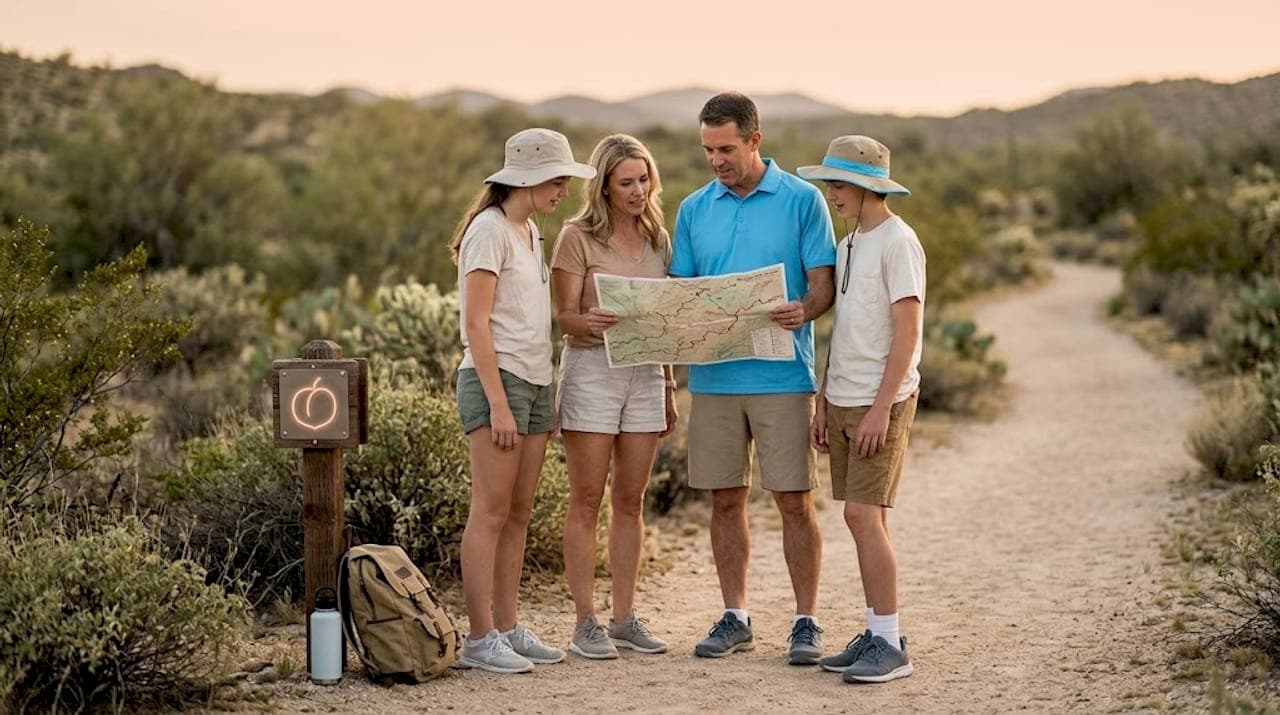
Most people picture desert vacations as brutal sun, sand in your shoes, and nothing to do. That picture is wrong. There are genuinely compelling reasons why choose desert escapes over beaches or city trips, and the science backs it up. Desert environments deliver a rare combination of deep rest, physical adventure, and mental clarity that most other vacation settings simply cannot replicate. If you have been sleeping on the desert as a travel option, this article will change how you think about it.
Table of Contents
- Key takeaways
- Why choose desert escapes for your wellbeing
- Adventure that only the desert delivers
- The case for desert solitude and quiet
- Practical planning for a desert escape
- My honest take on desert escapes
- Experience the desert at Peach-residence
- FAQ
Key takeaways
| Point | Details |
|---|---|
| Wellness is built in | Desert environments naturally reduce stress and restore mental focus without any extra effort from you. |
| Adventure options are broad | From stargazing to dune hikes, desert activities suit thrill-seekers and slow travelers equally. |
| Solitude heals differently | The desert's silence and open space support emotional regulation in ways a crowded beach resort cannot. |
| Timing is everything | Plan desert visits between October and April to avoid extreme heat and get the most from outdoor activities. |
| Preparation changes everything | Carrying the right water and sun protection transforms a desert trip from risky to unforgettable. |
Why choose desert escapes for your wellbeing
The benefits of desert getaways are not just about scenery. There is a measurable psychological effect at work. Researchers call it Attention Restoration Theory: the idea that certain natural environments gently engage involuntary attention, giving your overworked prefrontal cortex a break. The desert scores exceptionally high on the three factors that drive this effect: fascination (the shifting light, the textures), extent (endless horizon in every direction), and being away (zero reminder that your inbox exists).
What that means practically is that a few days in the desert can restore your ability to focus, think clearly, and feel calm in ways that a week scrolling poolside at an all-inclusive resort will not. A 2026 scoping review found that 79.17% of studies showed measurable evidence of nature exposure reducing anxiety and improving psychological health, with children from disadvantaged backgrounds showing some of the strongest effects.
That last point matters for families. One of the underrated reasons for desert retreats is what they do for kids. Children who spend time in natural settings show reduced anxiety and better attention regulation. The desert strips away the usual digital noise and social complexity kids navigate constantly. What replaces it is space, curiosity, and a horizon that asks nothing of them.
"Desert silence is not emptiness. It is the absence of distraction, which turns out to be exactly what most people are starving for."
For adults dealing with burnout, that same sensory quiet works at a neurological level. Desert environments reduce sensory overload and social demand simultaneously. That combination is rare. Most relaxing destinations swap one kind of stimulation for another. The desert genuinely removes the load.
Adventure that only the desert delivers
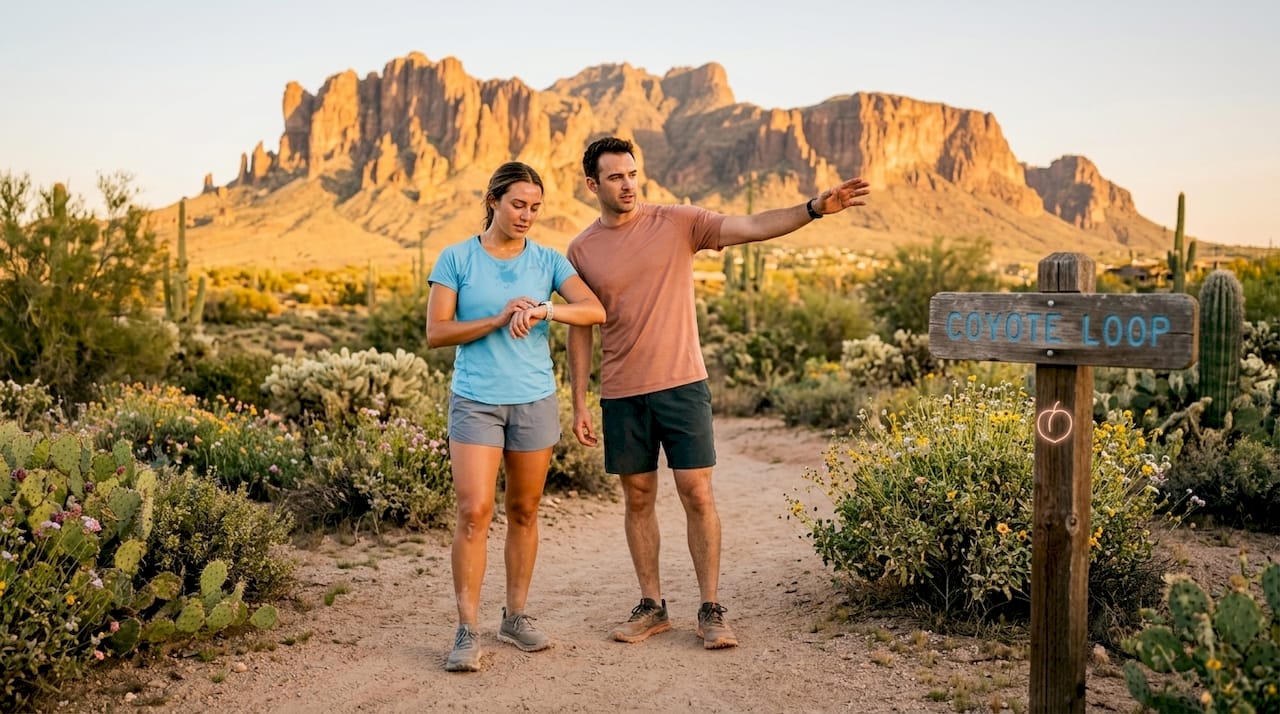
The reputation of the desert as boring is one of the great travel myths. The real question is whether you are visiting in the right season. Desert activities peak between October and April when temperatures drop to genuinely comfortable levels and the landscape becomes one of the most dynamic outdoor playgrounds on the planet.
Here is what a well-planned desert vacation actually looks like:
- Stargazing. With no light pollution, desert night skies are extraordinary. The Milky Way is not an abstraction here. It is directly overhead, close enough to feel personal.
- Dune hikes and sandboarding. The physical challenge of navigating shifting terrain builds genuine cardio and has the added benefit of being ridiculous fun.
- Camel rides and desert safaris. These connect you to a landscape and a pace of travel that is genuinely unlike anything urban tourism offers.
- Wildlife spotting. Desert ecosystems are more alive than they look. Early morning walks regularly surface jackrabbits, roadrunners, and lizards doing their thing.
- Rock scrambling and canyon exploration. Particularly relevant in the American Southwest, where formations like Joshua Tree and the surrounding San Jacinto Mountains offer trails for every skill level.
Pro Tip: Plan your most physically demanding activities before 10am or after 4pm. Desert heat in the shoulder seasons can still spike midday. The early morning light is also dramatically better for photography.
The mental health case for this kind of activity is strong. Research shows that green exercise boosts mood more effectively than the same workout indoors, and it reduces anxiety and depression simultaneously. The desert specifically amplifies this because the visual environment is so different from everyday life. Exploring Palm Springs getaways offers a great example of how desert adventure and accessible urban convenience can sit five minutes apart.
The case for desert solitude and quiet
There is a meaningful difference between being lonely and being alone. The desert teaches you that distinction fast. Desert solitude reduces sensory overload by removing two things most people carry everywhere: constant social visibility and ambient noise. What that creates is not boredom. It is mental space that most people have not experienced since childhood.
The psychological benefits here are specific:
- Attention restoration. Without competing stimuli, your brain shifts into a lower-demand mode that rebuilds focus and working memory.
- Emotional processing. The silence creates room for thoughts and feelings that urban noise keeps buried. Many people describe desert trips as unexpectedly emotional in a productive, clarifying way.
- Creative processing. Some of the most original thinking happens in conditions of low sensory input. The desert removes the noise that keeps most people reactive rather than reflective.
- Self-awareness. Without social performance demands, you often find out what you actually think and want. That is rarer than it sounds.
"The desert doesn't ask anything of you. That freedom is, for many people, the most unfamiliar sensation of their adult lives."
This is one of the most underappreciated advantages of desert living as a vacation mode. You can relax in the desert without an agenda, a schedule, or a plan, and the environment will do the work for you.
Pro Tip: Leave one full day of your desert trip completely unstructured. No activities booked, no itinerary. The instinct to fill space will pass within a few hours, and what replaces it is worth the initial discomfort.
Practical planning for a desert escape
Knowing why visit desert destinations is one thing. Getting there well-prepared is another. The good news is that desert vacations require less logistical complexity than most people assume, with a few non-negotiable exceptions.
Water and sun protection
This is not optional. You should carry up to 1 gallon of water per person per day when temperatures exceed 90°F (32°C). That sounds like a lot until you spend four hours outside and feel the difference. Alongside water, the essentials include electrolytes (not just water, but minerals), UV-protective clothing rated to UPF 50 or higher, a wide-brim hat, and high-SPF sunscreen reapplied every two hours.
Choosing the right accommodation
| Accommodation type | Best for | Comfort level | Cost range |
|---|---|---|---|
| Luxury desert house rental | Families, groups, comfort travelers | High | $$$$ |
| Glamping tent | Couples, adventurers wanting comfort | Medium-high | $$$ |
| Standard campsite | Budget travelers, serious adventurers | Low | $ |
| Boutique desert hotel | Solo travelers, couples | Medium-high | $$$ |
The best desert camping blends cultural immersion with natural beauty, combining traditional campfire experiences with authentic stargazing and wildlife encounters. For groups, a full house rental hits a sweet spot: private, spacious, and significantly more cost-effective per person than booking multiple hotel rooms.
A few additional planning checkpoints worth covering:
- Book shoulder season travel between October and April for the most comfortable outdoor experience
- Research local permit requirements for hiking popular desert trails before you arrive
- Plan meals and grocery stops before reaching remote locations, as options thin out fast
- Check trail closures and weather conditions the day before any multi-hour outdoor activity
For a full preparation checklist, the desert vacation health guide covers everything from gear to emergency planning in one place.
My honest take on desert escapes
I spent years defaulting to the same vacation template: city trip or beach week, with the occasional mountain hike thrown in. The desert felt like a gap on the map, a place you drove through on the way somewhere else.
The first time I actually stayed in the desert for five days, I came home noticeably different. Not in a dramatic, life-changed way. Just quieter. More able to sit with a thought. I slept better that week than I had in years, and I had done nothing particularly strenuous. The environment was doing something I had not given it credit for.
What I discovered is that the mental health benefits are not hypothetical. Combining natural setting with even modest physical activity, a morning walk, an evening dune sit, genuinely elevates your baseline mood in a way that a passive beach holiday does not. The desert demands a little more from you, and gives back considerably more in return.
My advice: stop treating the desert as a backup destination. Plan it as a primary choice, pick the right season, and let the silence surprise you.
— Rasmus
Experience the desert at Peach-residence
If you have been building a case for your next desert escape, Peach-residence in Palm Springs makes the decision easy.
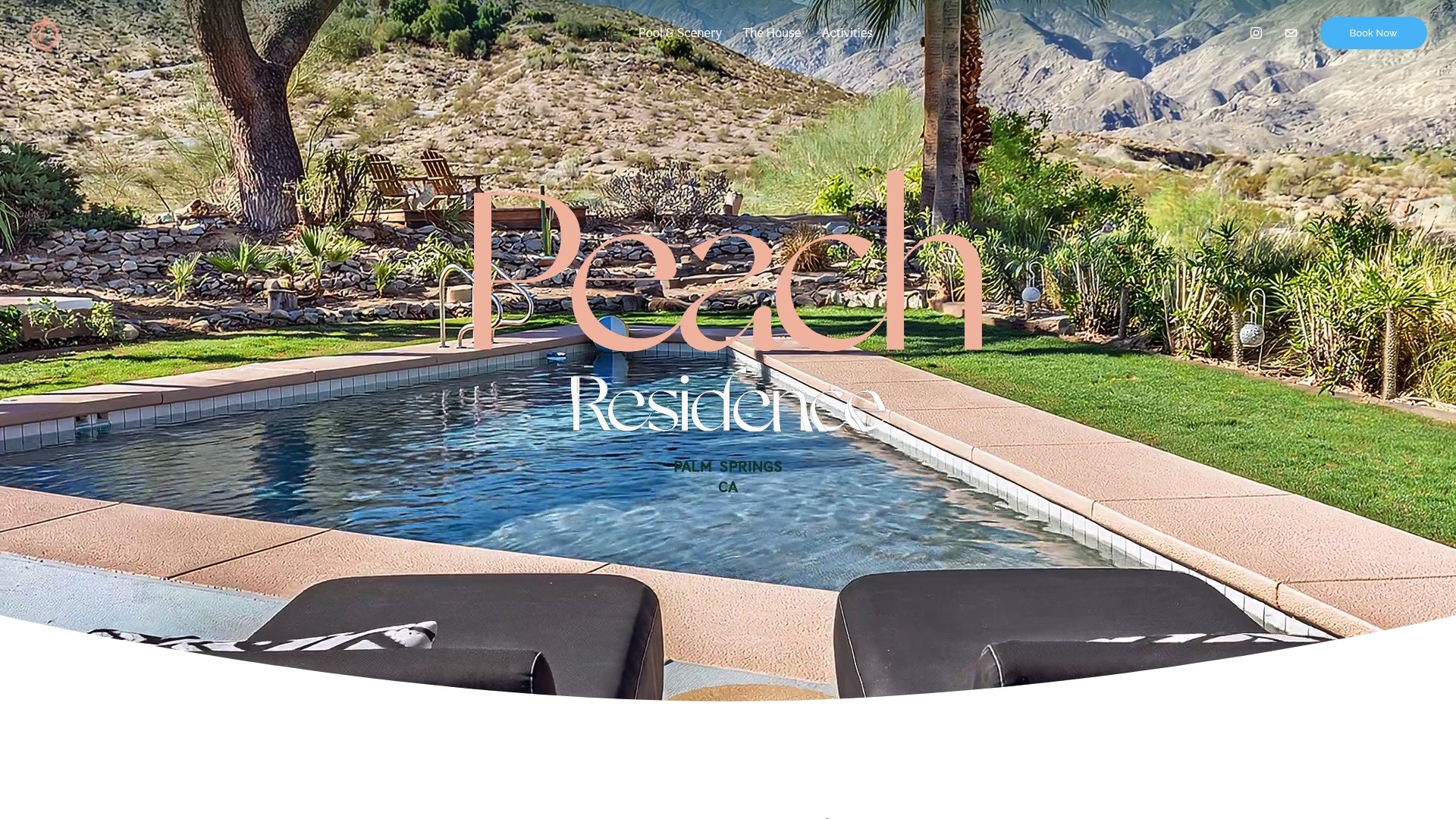
The house sleeps eight across four distinct bedrooms, each with its own character, at rates starting from $65 per person per night. You get mountain views with no filter, no city noise, and a cul-de-sac location that means your only neighbor is the one you brought with you. The indoor and outdoor spaces flow into each other the way they should in a desert property: doors open, the breeze comes in, and the desert drama plays out right in front of you.
Freshly updated in 2025, Peach-residence is designed for groups who want genuine comfort alongside the raw experience of the desert. Browse the house details to see the layout and book your dates, or explore the available activities to build your itinerary before you arrive.
FAQ
Why are desert escapes better for mental health than beach vacations?
Desert environments offer lower sensory stimulation and near-zero social visibility, which research links to stronger attention restoration and emotional regulation compared to busier coastal settings.
What is the best time of year for a desert vacation?
Desert adventures peak between October and April when temperatures are cooler, outdoor activities are safer, and the landscape is at its most accessible.
How much water do you need for desert hiking?
Carry at least 1 gallon per person per day in temperatures above 90°F, paired with electrolytes to maintain mineral balance during extended outdoor activity.
Is the desert a good vacation choice for families with kids?
Yes. Studies show that nature exposure for children measurably reduces anxiety and improves focus, making desert trips particularly restorative for kids managing overstimulation from school and screens.
What activities can you do on a desert vacation?
Desert vacations include stargazing, dune hikes, camel rides, wildlife spotting, rock scrambling, and campfire experiences, with options that work for both adventure travelers and those seeking slower, more restorative getaways.