
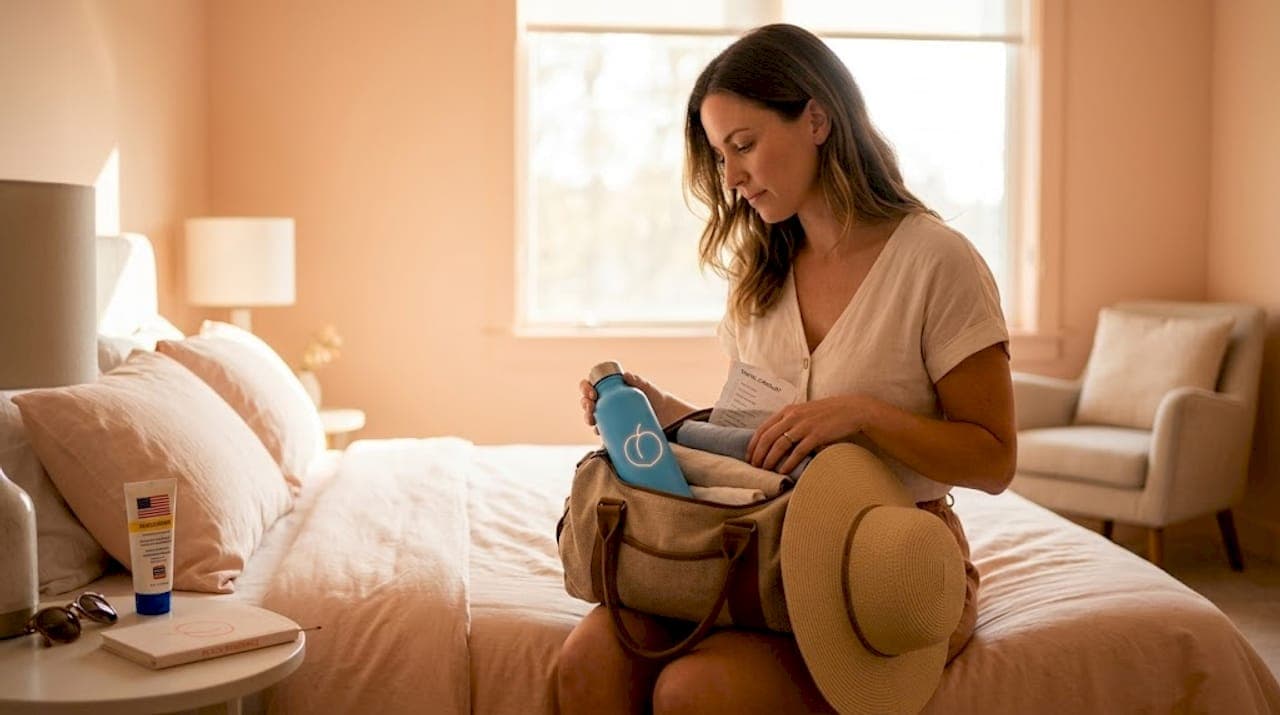
Most people pack for a desert vacation the same way they'd pack for a beach trip. That is a mistake. Desert conditions are extreme in ways that catch travelers off guard: midday heat that fries your skin in minutes, nights that drop close to freezing, and air so dry it cracks your lips within hours. Smart desert vacation packing tips aren't about bringing more stuff. They're about bringing the right stuff. This guide cuts through the obvious and gives you what actually matters before you go.
Table of Contents
- Key takeaways
- 1. The first desert vacation packing tips: nail your clothing strategy
- 2. Sun protection you cannot afford to skip
- 3. Hydration is a full-time job in the desert
- 4. Gear and accessories that make a real difference
- 5. Packing by activity type: a quick reference
- 6. Common packing mistakes and how to avoid them
- My honest take on desert packing after years of getting it wrong
- Pack smart and stay at a place worth coming back to
- FAQ
Key takeaways
| Point | Details |
|---|---|
| Layer for temperature swings | Daily swings of 20-30°C mean warm evenings require fleece even in summer. |
| Prioritize sun protection | SPF 50+ sunscreen and UV400-rated sunglasses are non-negotiable in intense desert UV. |
| Hydrate with electrolytes | Water alone is not enough. Carry electrolyte supplements alongside 2-3 liters of water daily. |
| Pack light and soft | Small, soft-sided bags outperform hard luggage when navigating desert terrain and transport. |
| Protect electronics from dust | Use zip-lock bags and padded cases to keep cameras and devices sand-free. |
1. The first desert vacation packing tips: nail your clothing strategy
Clothing is where most desert trips go sideways before they even start. People either pack as if they're heading to the beach or as if they're summiting Everest. Neither extreme works.
The foundation of smart clothing for hot desert climates is lightweight, breathable fabric. Linen and moisture-wicking synthetics are your best options. Loose-fitting long-sleeved shirts and long pants might sound counterintuitive in the heat, but they block UV rays far better than exposed skin while still allowing airflow. A lightweight linen shirt with long sleeves will keep you cooler than a tank top in direct sun.
Layering is where most people underestimate the desert. Desert temperatures can swing 20-30°C in a single day, going from brutal afternoon heat to near-freezing nights. That means your packing list needs to cover both ends. Pack:
- 3-4 lightweight long-sleeved shirts in neutral or light colors
- 1-2 pairs of quick-dry convertible pants
- A mid-layer fleece or light down jacket
- Thermal base layers if you're visiting a high-altitude desert
- A wide-brim hat (minimum 3-inch brim) for face and neck coverage
- A lightweight scarf or buff for wind and sand protection
Pro Tip: A merino wool base layer works better than cotton for temperature regulation. It manages moisture, insulates when cold, and breathes when warm. Cotton holds sweat and stays wet.
Skip the heavy hiking boots unless you're doing serious scrambling. Closed-toe lightweight shoes perform better in sandy terrain than bulky boots, and a pair of sandals works perfectly for evenings at camp or back at the house.
2. Sun protection you cannot afford to skip
The desert sun is not the same as beach sun. At higher elevations, UV radiation can be up to 40% stronger than at sea level. Even at low-elevation deserts like the Sonoran or the Sahara, reflected heat from sand and rock amplifies exposure dramatically.
Sunscreen starts at SPF 50+, broad-spectrum. Reapply every two hours without exception, and more often if you're sweating or near water. Most travelers apply once in the morning and forget it. That is not a sun protection strategy. That is sunburn with extra steps.
Your eyes take a beating too. UV400-rated sunglasses block both UVA and UVB rays completely. Polarized lenses add a bonus by cutting the glare from sand. Cheap sunglasses that look the part but lack the UV rating can actually cause more damage than no glasses at all because your pupils dilate behind the tinted lens.
SPF lip balm and a good moisturizer are two things almost everyone forgets until their lips are split and bleeding. Desert air is mercilessly dry. Apply lip balm throughout the day and use a heavier moisturizer at night. Your skin will thank you.
For sand protection, a lightweight scarf or buff pulls double duty. Wrap it around your face during windy conditions. Keep a small pack of wet wipes in your day bag for quick cleanups when water is scarce.
3. Hydration is a full-time job in the desert
You will dehydrate faster in the desert than almost anywhere else on earth. Sweat evaporates immediately in low humidity, which means you often don't feel as wet or hot as you actually are. By the time you feel thirsty, you're already behind.
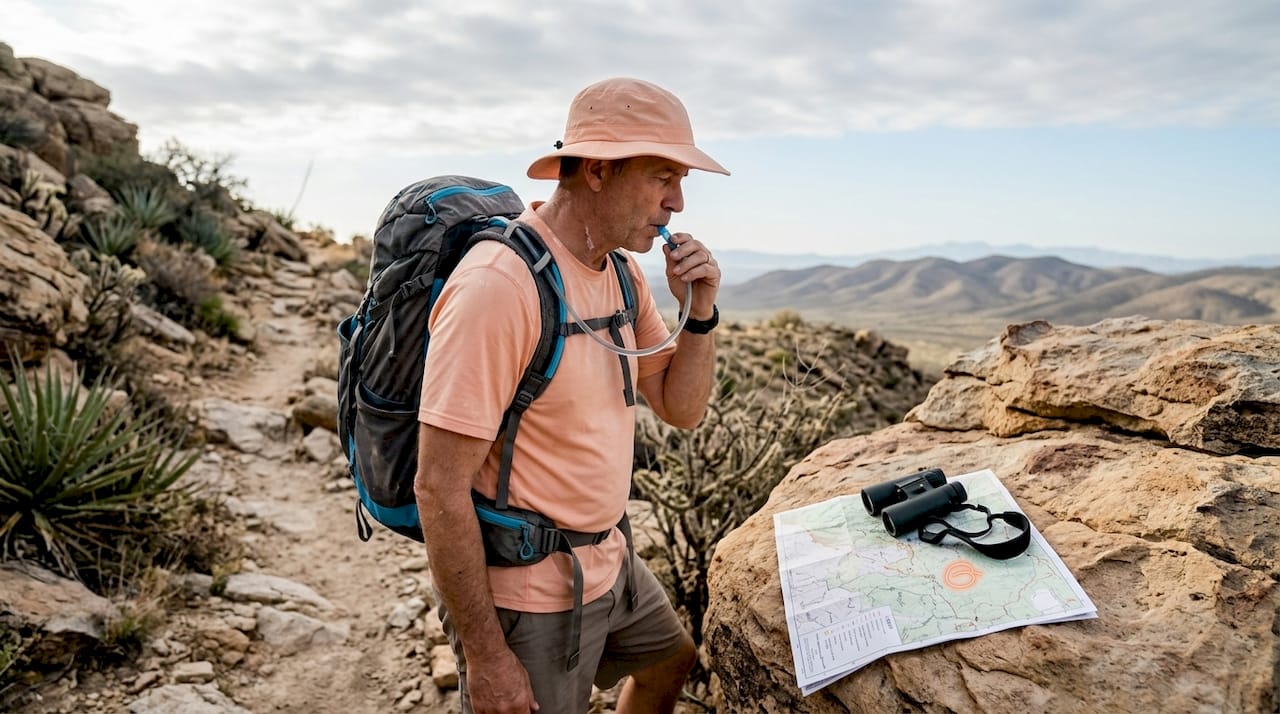
Carry a minimum of 2-3 liters of water on any day excursion. A hydration bladder in your daypack makes this easy because you sip constantly rather than in big gulps. That consistent intake is more effective than sporadic large drinks.
Water alone is not enough for full-day exposure to desert heat. Electrolyte supplements combat dehydration caused by the rapid sweat evaporation that defines desert climates. Carry small electrolyte packets and add them to your water at least once or twice a day. Brands like Liquid I.V. or Nuun are compact and effective.
Pro Tip: Start hydrating the day before your desert activities begin. Showing up already dehydrated from travel is one of the most common ways people ruin the first day of a desert trip.
Avoid alcohol during peak sun hours and limit caffeine, both of which accelerate fluid loss. Save the cold beer for sunset when the temperature has dropped and your body has a fighting chance to stay in balance.
4. Gear and accessories that make a real difference
Beyond clothing and sun protection, there are several items that significantly improve your desert experience. These are the things that rarely make the top of a packing list but end up being the most-used items in your bag.
Footwear. We covered this briefly above, but it deserves emphasis. Light hiking shoes or sneakers handle desert terrain far better than heavy boots. Look for something with a closed toe, decent grip, and minimal weight. Bring a separate pair of camp sandals to give your feet a break at the end of the day.
Daypack. A small 20-25 liter daypack is your best friend on excursions. It holds water, sunscreen, snacks, a layer, and your camera without weighing you down. Choose one with a hip belt to distribute load on longer walks.
Headlamp. Desert mornings often start before sunrise, and some activities extend into the evening. A lightweight LED headlamp is small enough to forget you packed it and critical when you need it.
Electronics protection. Cold temperatures reduce battery life by 40-60% in high-altitude desert environments, and dust is a constant enemy of every device. Protect camera gear and phones with padded bags and plastic zip-lock bags as an extra barrier against fine sand.
Other gear worth including:
- A small first aid kit with blister treatment, antihistamines, and pain relievers
- Personal medications in sufficient supply plus extras in case of delays
- Compact toiletries in solid or concentrated form to save space and weight
- Minimal makeup, since heat and sweat make most products ineffective anyway
Pro Tip: Pack toiletries in a waterproof bag. Sunscreen leaks are a universal travel disaster and even more annoying when it soaks into the gear you need most.
5. Packing by activity type: a quick reference
Not all desert trips are the same. A luxury Palm Springs stay looks very different from a camel trek in Morocco. This table helps you match your packing to what you're actually doing.
| Activity type | Clothing priority | Footwear | Key gear | Luggage size |
|---|---|---|---|---|
| Luxury resort stay | Lighter layers, stylish options | Sandals and one smart casual shoe | Sunscreen, sunglasses, light scarf | Medium suitcase |
| Active day hikes | Full UV-coverage clothing, moisture-wicking base | Light hiking shoes | Hydration pack, first aid, headlamp | Medium backpack |
| Camel or horseback trek | Padded shorts or leggings, long sleeves | Closed-toe shoes | Buff, electrolytes, camera protection | Small soft bag |
| High-altitude desert | Thermal base layers, insulated jacket | Grip-sole hiking shoes | Altitude medication, warm hat, gloves | Large backpack |
| Multi-day camping | All of the above plus thermal layers | Hiking shoes and camp sandals | Full kit including water filter | Large soft duffel |
High-altitude desert destinations deserve a specific note. Travel specialists confirm that thermal regulation must be prioritized year-round in altitude desert environments, not just in winter. A down jacket rated to at least -10°C is a smart inclusion even for summer trips to places like the Atacama.
6. Common packing mistakes and how to avoid them
These are the patterns that experienced desert travelers see repeatedly. Knowing them ahead of time saves money, space, and a lot of frustration.
Overpacking is the number one mistake. Packing light improves mobility significantly, especially if your trip involves any type of guided tour, camel transport, or vehicle with limited luggage space. Aim for 5-7 days of clothing maximum, and plan to use laundry services if you're staying longer.
Buying essentials at your destination costs more. Sunscreen with high SPF, quality sunglasses, and insulated jackets are significantly cheaper at home than at tourist-adjacent shops near popular desert destinations. Buy them before you go.
Forgetting altitude sickness medication when it's relevant. If your desert trip includes elevations above 4,000 meters, this is critical. Preventative use of altitude medication can reduce sickness risk from 30-40% down to 10-15%. Talk to your doctor before the trip.
Additional pitfalls to sidestep:
- Packing dark clothing that absorbs heat instead of reflecting it
- Forgetting that sandstorms can appear with little warning, so always have your buff accessible
- Ignoring local dress customs, particularly in North African and Middle Eastern desert regions where modest clothing is expected and respectful
- Leaving electronics in a hot vehicle, which accelerates damage to both batteries and screens
Pro Tip: Roll your clothes instead of folding them. You'll fit more in your bag, see everything at a glance, and wrinkles matter a lot less in the desert than you think they do.
My honest take on desert packing after years of getting it wrong
I've watched people show up to desert trips with roller suitcases full of outfits and leave sunburned, dehydrated, and exhausted by day two. I've been that person. What I've learned is that the desert has a way of exposing every weak link in your preparation.
The biggest shift in my own packing came when I stopped thinking about clothing as fashion and started thinking about it as equipment. A linen long-sleeve isn't just a shirt. It's a layer of UV defense. A fleece isn't just for cold people. It's temperature insurance for when the sun drops and the desert turns cold fast.
Layering gets underestimated every single time. I've never once had someone say they packed too many layers for a desert trip. I've heard the opposite constantly. For your desert wellness and comfort, treating warmth as a non-optional item is simply smart preparation.
The other thing I'd stress: buy your sun protection at home. I've paid triple the price for mediocre SPF 30 at a small shop near a trailhead because I thought I could grab it locally. Never again.
— Rasmus
Pack smart and stay at a place worth coming back to
You've done the hard part by getting your desert travel checklist dialed in. Now make sure your base camp matches the effort.
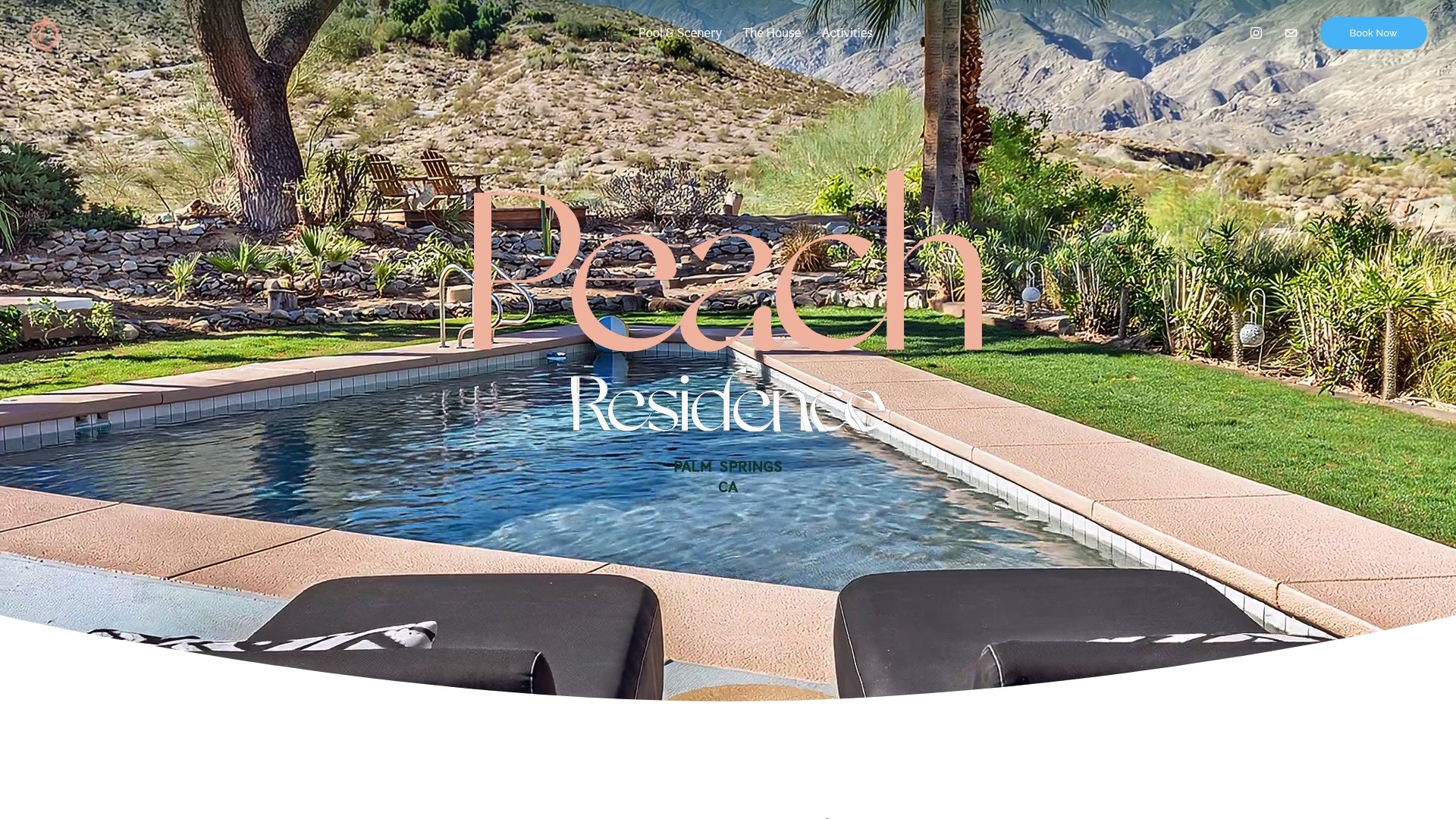
Peach-residence sits at the quiet end of a cul-de-sac in Palm Springs with mountain views that make every morning feel like a reward. Four bedrooms, space for eight people, and a 2025 refresh that fully commits to the indoor/outdoor lifestyle the desert demands. No city noise. No crowded lobbies. Just open skies, good company, and a home that actually delivers on the promise of a Palm Springs group getaway. From $65 per person per night, see the house and book your dates before someone else does.
FAQ
What clothing is best for hot desert conditions?
Lightweight, loose-fitting, long-sleeved shirts in light colors are best for clothing in hot desert climates. They block UV rays while allowing airflow, keeping you cooler than exposed skin.
How much water should you carry on a desert trip?
Carry a minimum of 2-3 liters of water per person for any day excursion. Pair it with electrolyte supplements to replace minerals lost through rapid sweat evaporation.
Do you need warm clothes for a desert vacation?
Yes. Desert temperatures swing dramatically, dropping as much as 30°C from day to night. Pack at least a mid-layer fleece and thermal base layers for any overnight stay.
What shoes should you wear in the desert?
Closed-toe lightweight shoes or sneakers work best for desert terrain. Bring a pair of sandals for evenings at camp where comfort matters more than foot protection.
How do you protect electronics in the desert?
Store cameras and phones in padded bags with plastic zip-lock bags as an added barrier against fine sand. Cold nights can also reduce battery life by 40-60%, so carry spare batteries for all devices.