
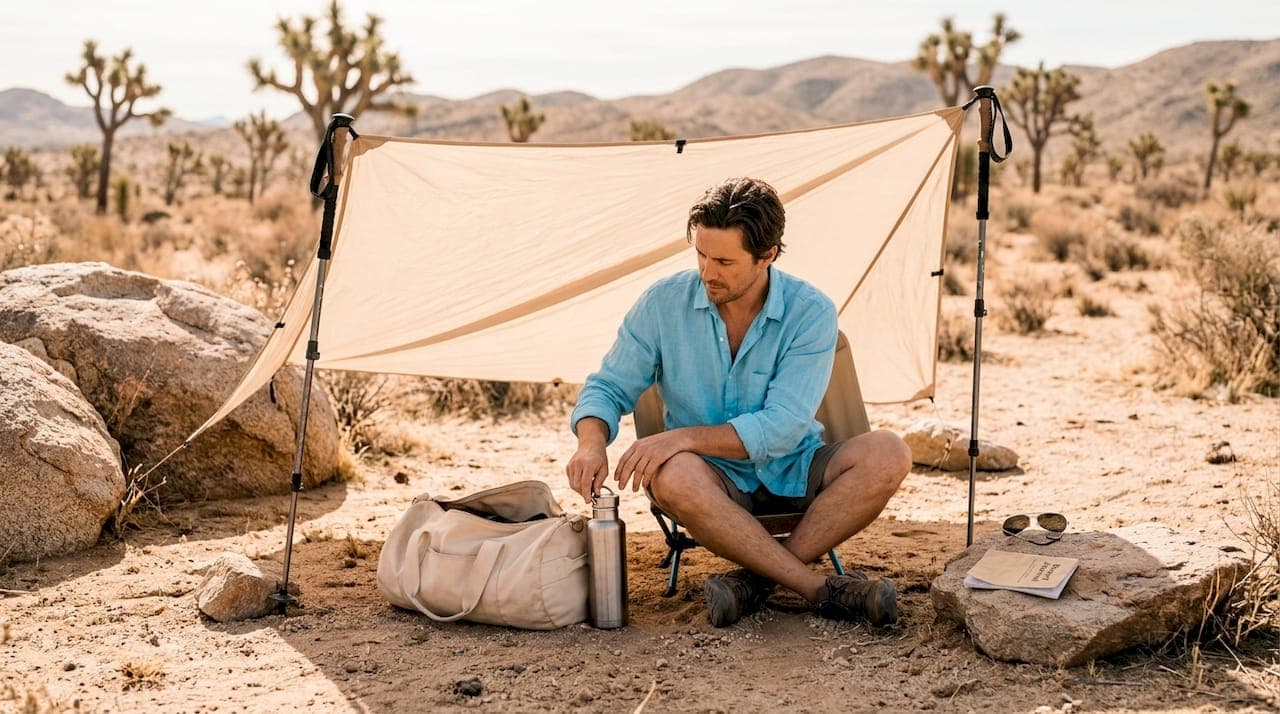
Desert relaxation sounds effortless until the sun starts cooking you at 10 a.m. and your water bottle is already warm. The truth is, unwinding in a desert environment requires real preparation, a smart setup, and an understanding of how heat, sun, and dry air affect your body and mind. This guide walks you through everything, from the gear you need to the mindset that makes it all click, so you can experience the kind of deep, restorative rest that only wide-open desert skies can deliver.
Table of Contents
- What you need: Essential tools and preparations
- Step-by-step: Setting up your perfect relaxation spot
- Mindful relaxation techniques for desert environments
- Stay safe: Avoiding heat risks and troubleshooting
- Expert perspective: Why real desert relaxation is about balance
- Ready to plan your ultimate desert relaxation escape?
- Frequently asked questions
Key Takeaways
| Point | Details |
|---|---|
| Proper gear matters | Using the right sun-protective clothing, shade, and hydration sets the foundation for comfort. |
| Optimize your setup | Strategically create shaded, breezy zones to make any desert spot relaxing and safe. |
| Adapt your activities | Choose low-exertion, mindful activities and use water features to enhance relaxation. |
| Stay alert to risks | Monitor for heat exhaustion and never ignore discomfort—even brief symptoms require quick action. |
What you need: Essential tools and preparations
Before you can settle into relaxation, it's critical to assemble the right gear and plan for the conditions. The desert is not forgiving of shortcuts, but it rewards those who show up ready.
Sun protection is your first line of defense. Wear loose, light-colored, breathable layers along with a wide-brim hat, UV-blocking sunglasses, and a broad-spectrum sunscreen rated SPF 30 or higher. Loose clothing traps a layer of cooler air against your skin while reflecting heat, which is exactly what you want when the thermometer climbs past 100°F. Eco-friendly mineral sunscreens are worth the upgrade here, especially if you plan to use a pool or water feature.
Hydration is equally non-negotiable. Desert air pulls moisture from your body faster than you realize, often before thirst kicks in. Pack a large insulated water bottle (at least 32 oz per person), electrolyte packets to replace sodium and potassium lost through sweat, and a portable shade structure to keep your drinks cool. A simple water spray bottle is a low-tech but surprisingly effective cooling tool.
Beyond the basics, a few comfort boosters make the difference between enduring the desert and actually enjoying it. A small battery-powered fan, a light cotton blanket for early morning chill, and a portable Bluetooth speaker for ambient sound all add to the experience. And yes, pack a basic first aid kit, high-protein snacks, and a charged phone or satellite communicator for emergencies.
Pro Tip: When setting up a tarp for shade, elevate it on one side using rocks or trekking poles so air flows underneath. A flat tarp traps heat; an angled one creates a natural breeze channel.
| Item | Why it matters | Budget option |
|---|---|---|
| UPF 50+ shirt | Blocks 98% of UV rays | Any light linen shirt |
| Insulated water bottle | Keeps water cool for 12+ hours | Foam-wrapped standard bottle |
| Electrolyte packets | Prevents cramping and fatigue | Pinch of salt plus fruit juice |
| Wide-brim hat | Shades face, neck, and ears | Any hat with 3-inch brim |
| Portable fan | Lowers perceived temperature | Handheld battery fan |
| Eco-friendly sunscreen | Protects skin without reef damage | Any mineral SPF 30+ |
If you're staying somewhere with relaxing pool amenities, you already have a major advantage. Built-in shade, cool water access, and a comfortable lounging setup remove half the prep work from your list.
Step-by-step: Setting up your perfect relaxation spot
With your supplies in hand, you're ready to transform a desert spot into a personal oasis. Location selection is the first and most important decision you'll make.
Step 1: Scout for natural shade and wind protection. Look for large boulders, rock formations, or dense desert shrubs that can block direct sun during peak hours (10 a.m. to 4 p.m.). Natural features also tend to create microclimates, small pockets of slightly cooler air that can drop the felt temperature by several degrees.
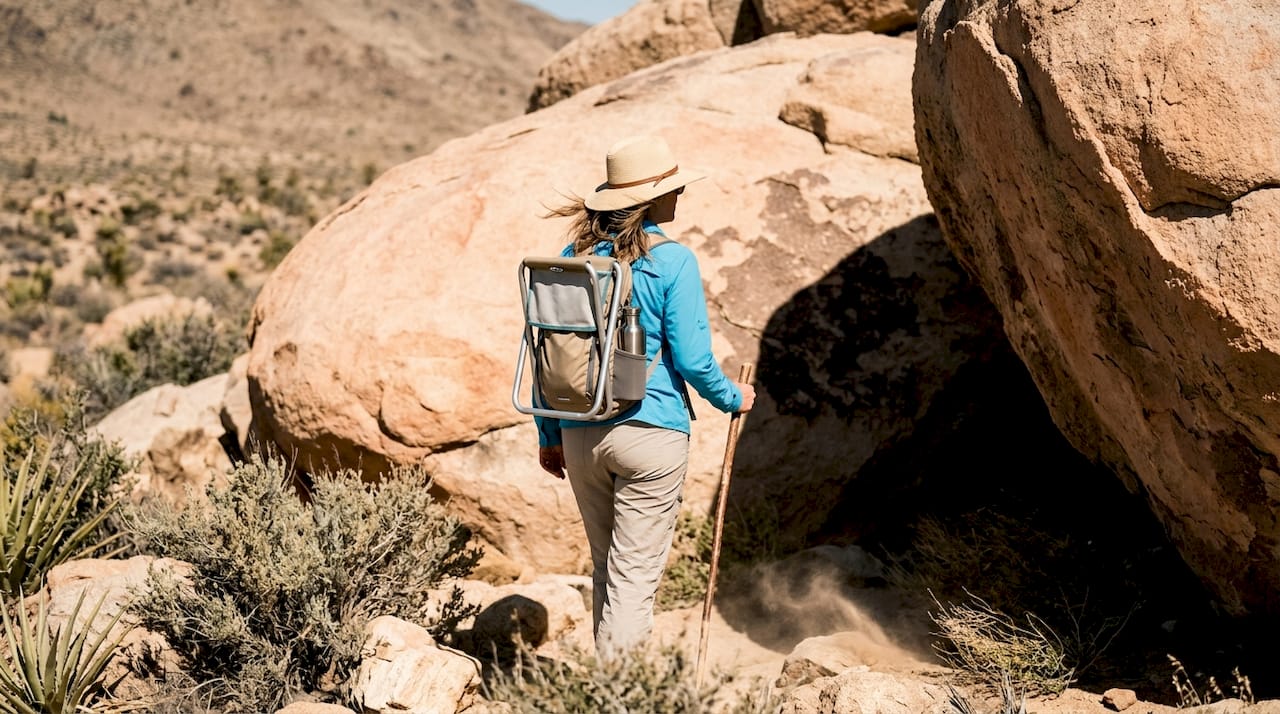
Step 2: Assess the sun's movement. The sun tracks east to west, but in summer it arcs high and slightly north in the northern hemisphere. Set up your base on the east side of a large rock or tree so you're shaded in the morning, then plan to shift or add a tarp as the sun moves. A quick compass check on your phone takes 30 seconds and saves hours of discomfort.
Step 3: Elevate your shade structure. As noted above, create shade using tarps elevated for airflow rather than laid flat. Stake one side low and prop the opposite side up with poles or rocks. This angle catches prevailing breezes and funnels them underneath.
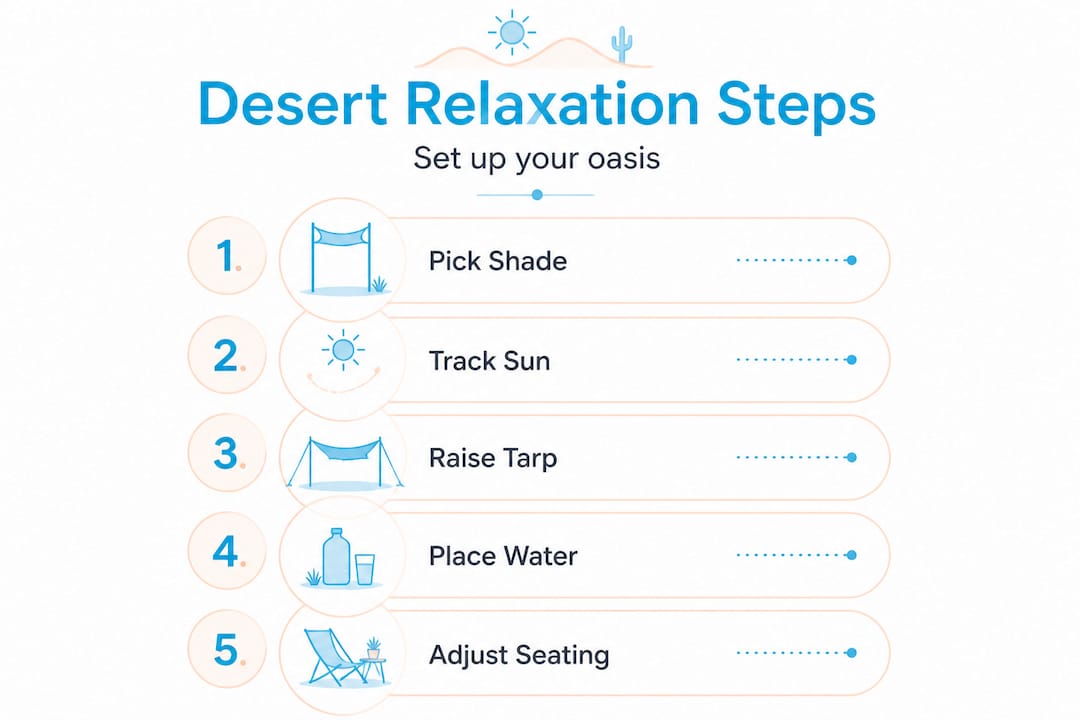
Step 4: Arrange your layout for easy access. Place water and snacks within arm's reach so you never have to stand up and expose yourself to full sun unnecessarily. Keep your first aid kit and phone in a shaded bag, not baking in direct sunlight where heat can degrade medications and drain batteries.
Step 5: Orient seating for the afternoon. Most people underestimate how fast the shade shifts. Set up a secondary seating option facing west so you can catch the cooler late-afternoon light and the dramatic desert sunset that makes the whole experience worth it.
Pro Tip: Check the sun angle at 8 a.m., noon, and 3 p.m. on your first day. Reposition your shade structure at each check. After one day, you'll have a reliable mental map for the rest of your trip.
| Time of day | Sun position | Best relaxation zone |
|---|---|---|
| 6 a.m. to 9 a.m. | Low in the east | Open air, face west |
| 9 a.m. to 12 p.m. | Rising, intense | East side of natural shade |
| 12 p.m. to 3 p.m. | Overhead, peak heat | Full shade, minimal movement |
| 3 p.m. to 6 p.m. | Descending west | Shaded outdoor areas with a breeze |
| After 6 p.m. | Low and golden | Open air, ideal for stargazing |
Staying at a property with well-designed shaded outdoor areas removes much of this guesswork. Thoughtfully placed shade structures and outdoor furniture already account for sun movement, letting you focus on resting rather than repositioning.
Mindful relaxation techniques for desert environments
With your restful environment established, choose relaxation activities that match both the climate and your energy. The desert rewards slowness, and the best techniques here are the ones that work with the environment rather than against it.
Timing is everything. Early morning (before 9 a.m.) and evening (after 5 p.m.) are the golden windows for outdoor activity. Temperatures can drop 20 to 30 degrees from peak afternoon, the light turns golden and soft, and desert wildlife becomes active, adding a natural soundtrack to your experience. These windows are ideal for gentle yoga, stretching, or a slow walk.
Gentle movement over intense exercise. A short yoga session or a series of light stretches in the morning shade does more for your nervous system than a strenuous hike in midday heat. Focus on grounding poses that connect you to the earth, like child's pose or seated forward folds. The stillness of the desert amplifies mindfulness in a way that's hard to replicate anywhere else.
Water features are your best friend. Pool and water feature relaxation is genuinely one of the most effective ways to regulate body temperature and decompress simultaneously. A 20-minute float in a cool pool drops your core temperature, slows your heart rate, and signals your nervous system to shift into rest mode. It's not just pleasant; it's physiologically restorative.
Desert sound meditation. Sit quietly in your shaded spot and tune into the environment: wind moving through dry grasses, the distant call of a cactus wren, the creak of a sun-warmed rock. Desert soundscapes are naturally sparse, which makes them ideal for sensory reset. Even five minutes of focused listening can break a mental loop and bring genuine calm.
Here's a key fact that surprises most first-time desert visitors: acclimation takes up to two weeks, meaning your body needs that much time to fully adjust to heat and low humidity. During your first few days, avoid strenuous activity and lean heavily on pool relaxation and shaded rest. Pushing too hard too soon leads to fatigue, not rejuvenation.
- Best morning activity: Gentle yoga or meditation before 9 a.m.
- Best midday activity: Pool floating or shaded reading
- Best evening activity: Sunset watching, light stretching, stargazing
- Avoid: Intense hikes, long sun exposure, or vigorous exercise between 10 a.m. and 4 p.m.
- Always: Hydrate before you feel thirsty, not after
Stay safe: Avoiding heat risks and troubleshooting
Even as you unwind, desert conditions can change rapidly, and knowing heat safety basics protects your relaxation experience from turning into an emergency.
The most important distinction to understand is the difference between heat exhaustion and heat stroke. They are not the same thing, and the response to each is different.
"Heat exhaustion and heat stroke are both serious, but heat stroke is a life-threatening emergency. The key difference: heat exhaustion involves heavy sweating; heat stroke involves little or no sweating, confusion, and a body temperature above 104°F. Rapid cooling is critical for heat stroke survival."
Heat exhaustion symptoms include dizziness, nausea, heavy sweating, muscle cramps, and pale or moist skin. Heat stroke symptoms include confusion, hot and dry skin, a rapid pulse, and a body temperature that can exceed 104°F. One is a warning; the other is a 911 call.
How to respond, step by step:
- Move the person to shade or an air-conditioned space immediately.
- Remove excess clothing and apply cool (not ice cold) water to skin.
- Fan the person to accelerate evaporative cooling.
- Offer electrolyte drinks if the person is conscious and not confused.
- Call emergency services if symptoms include confusion, loss of consciousness, or no improvement within 15 minutes.
- Do not leave the person alone until they are clearly recovering or help has arrived.
Prevention is far easier than treatment. Drink water consistently throughout the day, at least 8 oz every 30 minutes in peak heat. Wear your sun protection gear even when you're in the shade. And never underestimate how quickly a relaxing afternoon can shift if the breeze drops and the temperature spikes.
Expert perspective: Why real desert relaxation is about balance
Having mastered the practical aspects of desert relaxation, it's worth reconsidering what deep rest in a harsh environment truly means.
Here's what most wellness retreats get wrong: they treat safety and comfort as separate tracks. The spa program runs from 9 to 5, and the "stay hydrated" reminder is a footnote in the welcome packet. But the research and survival-based wisdom tell a different story. Mental clarity, which is the foundation of real relaxation, is only possible when your body is not quietly fighting heat stress. The two are not in competition; one enables the other.
True desert relaxation is not about escaping into a program. It's about creating conditions where your nervous system can finally let go. That means shade that actually works, water you actually drink, and a schedule that respects the sun's power rather than ignoring it. When those physical conditions are met, the desert delivers something rare: silence so complete you can hear your own thoughts settle.
What most travelers miss is that the desert environment itself is the therapy. The scale of the landscape, the absence of noise, the clarity of the night sky, these are not backdrops. They are the experience. But you only access them when you're not distracted by discomfort or managing a mild heat headache.
Our take is this: plan for safety first, and relaxation follows naturally. The travelers who get the most out of a desert stay are not the ones who push hardest. They're the ones who set up integrated relaxation spaces thoughtfully, respect the climate, and then fully surrender to the stillness that the desert offers so generously.
Ready to plan your ultimate desert relaxation escape?
If this guide has you picturing wide-open skies, a cool pool, and a shaded lounger with your name on it, you're ready to make it real. The Peach Residence in Palm Springs is designed around exactly the kind of intentional, comfortable desert relaxation this article describes: four distinct bedrooms, seamless indoor/outdoor flow, and mountain views that genuinely stop conversation.
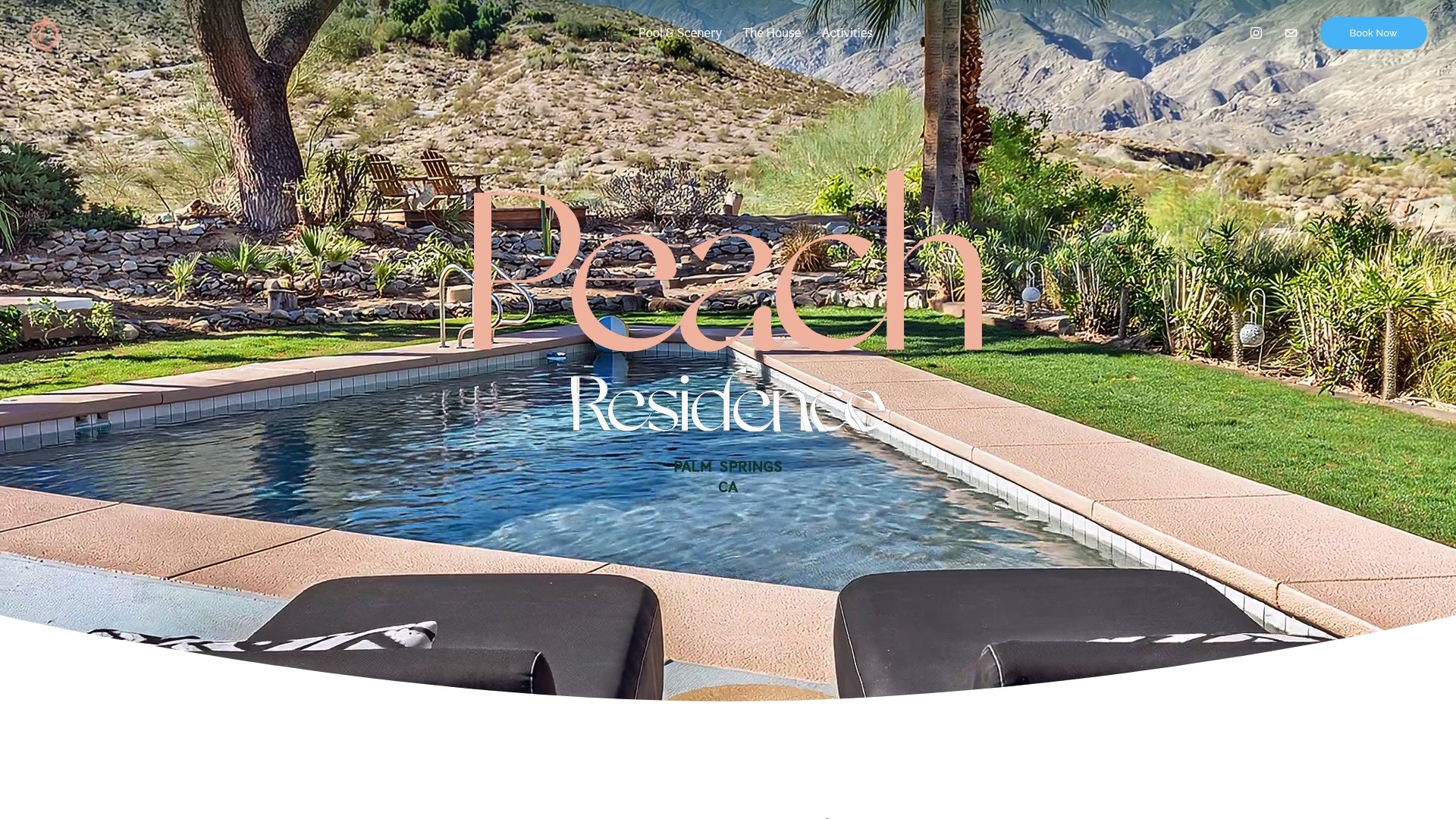
Explore the full range of desert relaxation activities available to guests, from morning yoga setups to evening stargazing. Take a look at the pool and outdoor scenery that makes the Palm Springs indoor/outdoor lifestyle so addictive. When you're ready to stop planning and start unwinding, book your Palm Springs stay and lock in your spot from as little as $65 per person per night. The desert is waiting, and it's better than you imagined.
Frequently asked questions
How can I stay cool while relaxing in the desert sun?
Use shaded areas with elevated tarps for airflow, wear UPF-rated clothing and a wide-brim hat, and take regular dips in a pool or water feature to reset your core temperature.
Is it safe to meditate or nap in the desert?
Yes, as long as you set up proper shade, stay hydrated, and use an alarm to avoid extended sun exposure. Remember that acclimation takes up to two weeks, so keep early sessions short and shaded.
What are the warning signs of heat exhaustion when relaxing outdoors?
Watch for dizziness, nausea, heavy sweating, and muscle cramps. If you notice these signs, move to shade immediately and cool down with water and a fan.
How long does it take to acclimate to desert conditions?
Most people need up to two weeks to fully adapt to desert heat and low humidity, so plan your first few days around low-intensity activities and pool time rather than long outdoor sessions.
Recommended
- The House | Book Your Palm Springs Getaway Today — Peach Residence Palm Springs
- Pool & Scenery | Discover Palm Springs - Book Your Escape — Peach Residence Palm Springs
- Activities | Discover Exciting Activities – Book Your Adventure — Peach Residence Palm Springs
- Peach Residence Palm Springs
- Discover seaside relaxation: benefits, techniques, and coastal escapes