
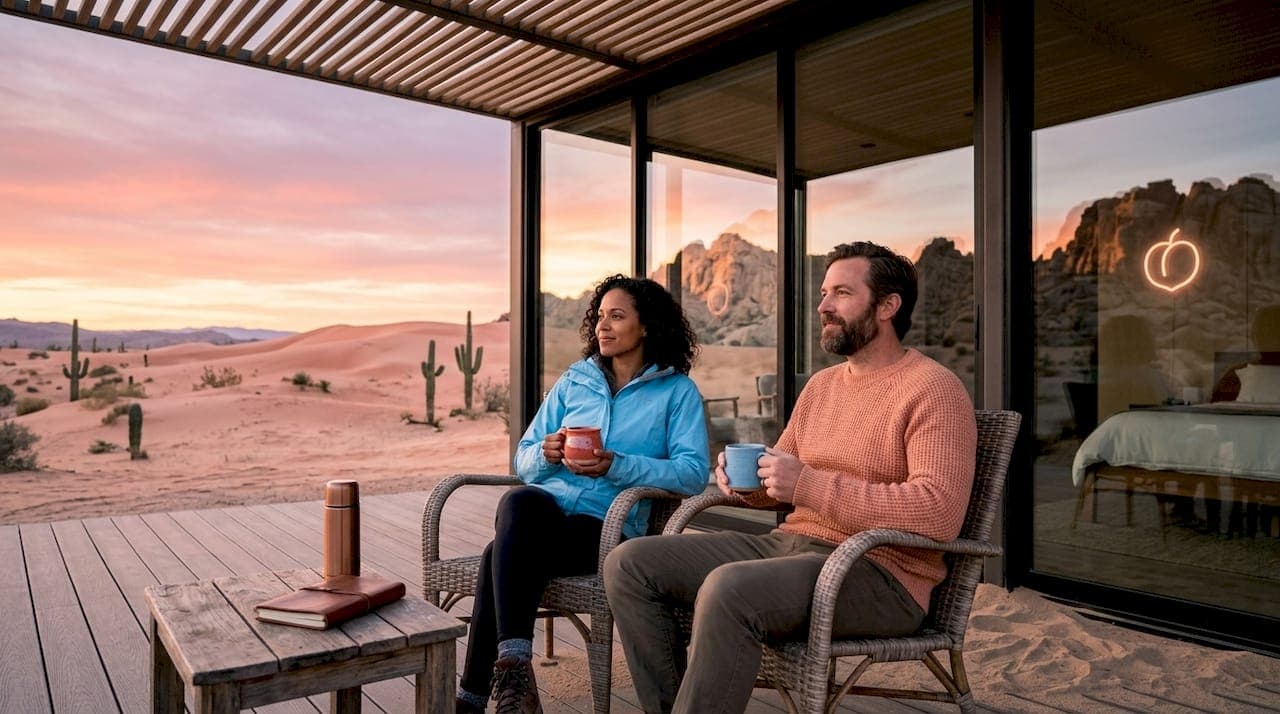
Most people picture a cactus, some sand, and brutal heat when they hear "desert retreat." That mental image sells the experience short by about a thousand miles. A desert retreat is an intentional, immersive escape into arid wilderness, where the silence is thick, the skies are impossibly wide, and the distance from ordinary life feels absolute. Whether you're chasing deep rest, spiritual stillness, or a wellness overhaul, the desert delivers something no beach or mountain can: radical quiet. This guide breaks down the desert retreat meaning across every format, budget, and goal.
Table of Contents
- Key takeaways
- What is a desert retreat, exactly?
- Why the desert produces results other settings don't
- Accommodations and activities: what to expect
- How to choose the right desert retreat
- My honest take on desert retreats
- Experience the desert at Peach-residence
- FAQ
Key takeaways
| Point | Details |
|---|---|
| Desert retreats span many formats | Options range from luxury spa resorts to austere spiritual hermitages, each serving a distinct purpose. |
| Silence is the desert's superpower | Arid environments offer rare mental clarity that other natural settings simply cannot replicate. |
| Timing matters significantly | For most desert destinations, October through April offers the most comfortable outdoor conditions. |
| Know your goal before booking | Choosing between relaxation, fitness, spiritual growth, or cultural immersion shapes every other decision. |
| Cost varies widely | Nightly rates start around $65 per person for private rentals and climb into thousands for all-inclusive wellness programs. |
What is a desert retreat, exactly?
A desert retreat is an immersive travel experience that uses the silence, vastness, and raw beauty of arid landscapes to support mental and physical well-being. That covers a broad spectrum, and the range is wider than most travelers expect.
On one end, you have luxury wellness resorts with mineral pools, full spas, yoga pavilions, and chef-prepared meals. On the other end, you have austere silent retreats where Wi-Fi is banned, schedules are rigid, and the entire point is confronting yourself without distraction. Most desert retreat experiences fall somewhere between those poles, but understanding where any given option sits changes everything about whether it's right for you.
Common retreat formats include:
- Weekend getaways (2 to 3 nights) focused on relaxation and nature connection
- Multi-day wellness immersions (5 to 9 days) combining fitness, nutrition, and mindfulness
- Silent or spiritual retreats lasting a week or more, emphasizing inner transformation
- Cultural immersion retreats incorporating local traditions, indigenous knowledge, and regional cuisine
- Group escapes structured around shared activities like hiking, stargazing, or yoga
The clearest distinction worth making is this: a desert retreat is not a vacation with a desert backdrop. A true retreat is purposeful. It's designed around a specific outcome, whether that's rest, growth, healing, or all three.
Pro Tip: Before you search for desert wellness retreats, write down one sentence describing what you want to feel differently when you leave. That sentence is your filter for every option you'll encounter.
Why the desert produces results other settings don't
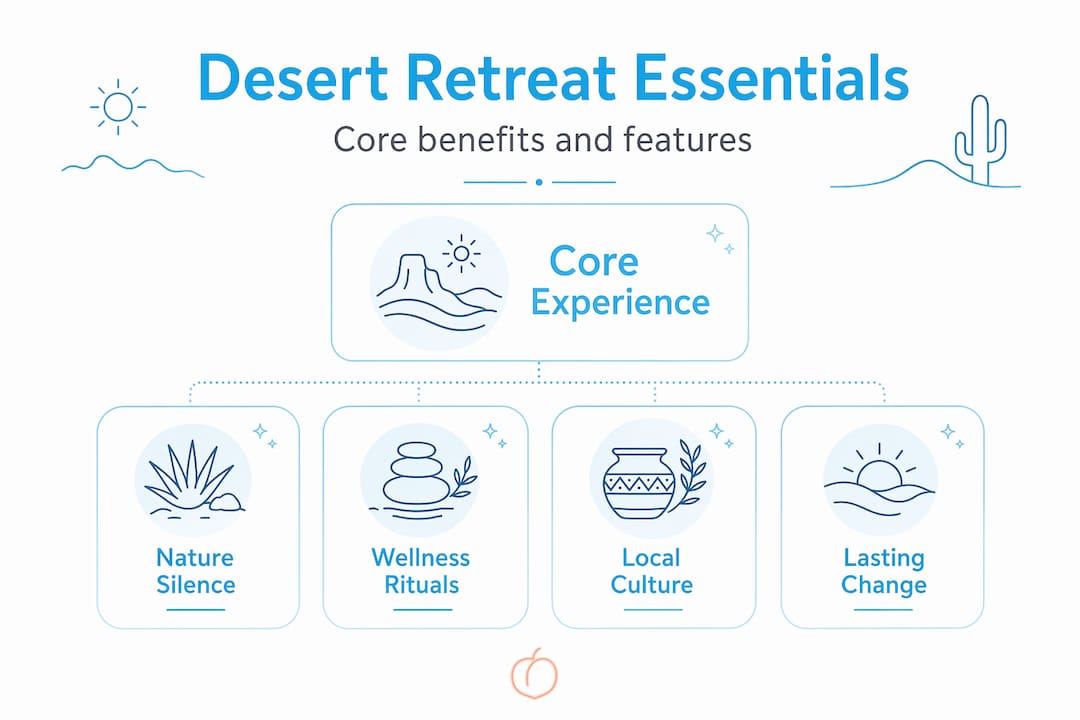
Travel expert Tom Marchant describes desert environments as having a stimulating, rejuvenating effect on meditative practices that forests and coastal settings rarely replicate. That's not marketing language. It reflects something measurable about the desert's sensory conditions.
Desert silence is a rare luxury. Most environments, even remote ones, carry ambient sound: wind through trees, ocean surf, birdsong. True desert silence is different. It's the kind that makes you aware of your own breathing. That depth of quiet produces a profound mental reset that most urban dwellers haven't experienced since childhood, if ever.
"The desert's stimulating effect on the senses creates an environment where meditative and wellness practices land differently than anywhere else." — Tom Marchant, travel expert, via Veranda
Physical wellness programming in desert retreats often takes full advantage of that backdrop. Common offerings include:
- Sunrise yoga on open terrain with unobstructed mountain views
- Hydrotherapy and mineral spring soaks
- Guided breathwork and sound healing sessions
- Night sky meditation and stargazing programs
- Desert hikes timed to avoid peak heat
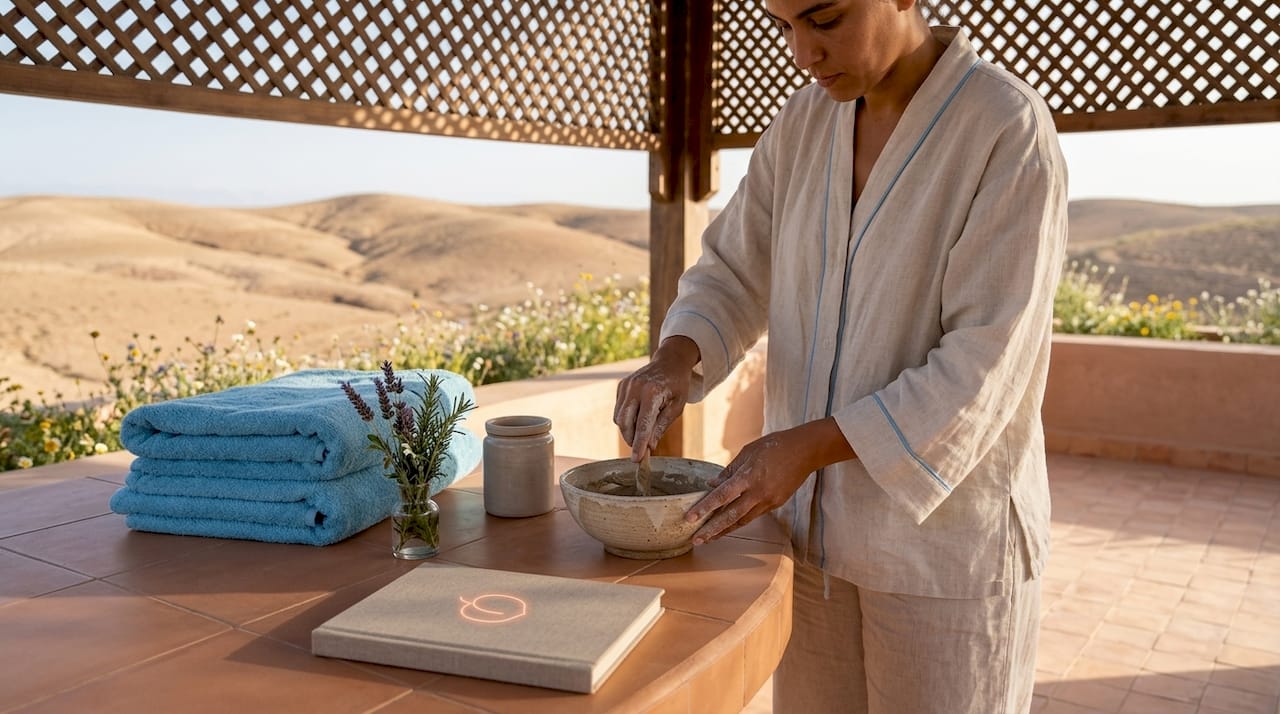
Some retreats incorporate culturally immersive elements like traditional spa rituals using local minerals, regional plant medicine, and excursions into historic desert landscapes. These experiences add a layer of depth that a standard resort spa simply cannot.
The benefits of desert retreats also extend into lasting behavioral change. Research from wellness practitioners shows that integrating physical and mental practices creates conditions for transformation that outlast the retreat itself, not just temporary relaxation.
Pro Tip: If mental clarity is your primary goal, prioritize retreats that include at least one structured silent period per day. Even a few hours without conversation or screens produces measurable differences in how people report feeling.
Accommodations and activities: what to expect
Desert retreats offer a genuinely wide range of lodging. Knowing what type suits your style prevents the most common mismatch: a comfort-seeker booking a minimalist camp, or an adventurer ending up at a property too polished to feel real.
| Accommodation type | Best for | Typical amenities |
|---|---|---|
| Luxury spa resort | Comfort-focused guests | Pool, full spa, restaurant, fitness center |
| Boutique desert hotel | Style and substance seekers | Design-forward rooms, curated programming |
| Private rental home | Groups or families | Full kitchen, private outdoor space, flexibility |
| Nomadic tent or glamping camp | Adventure seekers | Minimal comforts, maximum immersion |
| Monastic hermitage | Spiritual retreat guests | Silent rooms, chapel or meditation hall, basic meals |
Lodging options range from luxury hotels and boutique resorts to nomadic tents and hermitages, with amenities varying just as widely. A private home rental in Palm Springs gives you a full kitchen, a private pool, and the freedom to structure your own retreat schedule. A structured wellness resort includes everything but hands you a program.
Activity offerings depend heavily on the format, but the most common desert retreat activities include:
- Morning desert hikes before temperatures peak
- Group and solo meditation sessions
- Stargazing, which deserts enable at a level most places cannot match due to minimal light pollution
- Workshop-based programming on nutrition, breathwork, journaling, or stress management
- Cultural experiences tied to the local region
Seasonal timing shapes all of this significantly. For destinations like Palm Springs, optimal retreat timing runs from October to April. Summer temperatures routinely exceed 110°F, which shuts down most outdoor programming and limits how much of the desert experience you can actually access.
How to choose the right desert retreat
Choosing poorly wastes money and leaves you frustrated. Choosing well can genuinely change how you feel about your life. Here's a practical process:
-
Define your core goal. Are you seeking physical restoration, spiritual depth, social connection, or adventure? Your answer shapes every subsequent decision. A person craving silence will hate a retreat built around group workshops.
-
Match the format to the goal. Spa resorts serve restoration. Silent retreats serve spiritual work. Wellness boot camps serve physical challenge. Cultural immersions serve curiosity. There's no universal best option.
-
Set a realistic budget. Desert retreat costs run from around $83 per night at budget-accessible resorts to thousands of dollars for fully all-inclusive wellness immersions. Private group rentals often offer the best value, particularly when costs split across multiple people.
-
Check what's actually included. Some retreats charge a base rate and then add programming fees, meals, and spa access separately. Others include everything. Read the fine print before comparing prices across properties.
-
Research the climate window. Seasonal temperature extremes in desert environments are not minor inconveniences. They determine whether you can do anything outdoors at all. For most Southwestern US deserts, November through March is the sweet spot.
-
Know what kind of retreat this actually is. Some programs enforce strict rules banning television, limiting Wi-Fi, controlling diet, and scheduling every hour. Others are self-directed. Neither is better, but they suit completely different people.
-
Prepare physically and mentally. Desert conditions require hydration discipline, sun protection, and respect for heat. Review a desert health checklist before you arrive, regardless of how cushy the accommodations look.
Understanding a retreat's core pillar is the deciding factor between an experience you'll talk about for years and one you'll regret booking. Don't skip this step.
My honest take on desert retreats
I've watched people return from desert retreats genuinely changed, and I've watched others come back confused about why it didn't work for them. The difference is almost never the retreat itself. It's the mismatch between expectation and format.
The most common mistake I see is treating a desert retreat like a spa vacation with extra steps. People book a spiritual silent retreat because it sounds impressive, then spend the first three days miserable because they didn't expect the confrontation that inner journeys actually require. A retreat isn't an escape from yourself. It's time alone with yourself, stripped of the usual distractions that soften that experience.
What I've found genuinely works is going in with a single clear intention rather than a list of outcomes. "I want to sleep well and be outside every morning" is a better intention than "I want to heal my anxiety, get fit, and find spiritual meaning." The desert has a way of delivering exactly what you give it space to deliver. That sounds philosophical, but it's practical. The people who leave satisfied are the ones who arrived with room to be surprised.
Palm Springs, specifically, earns its reputation as a desert retreat destination not because of the resorts, though those are real. It earns it because the landscape does something to your nervous system after about 48 hours. The quiet accumulates. You start noticing things. For my money, that's the whole point.
— Rasmus
Experience the desert at Peach-residence
If a structured resort program feels like too much commitment but a bare-bones tent camp sounds like too little, Peach-residence sits in exactly the right middle ground.
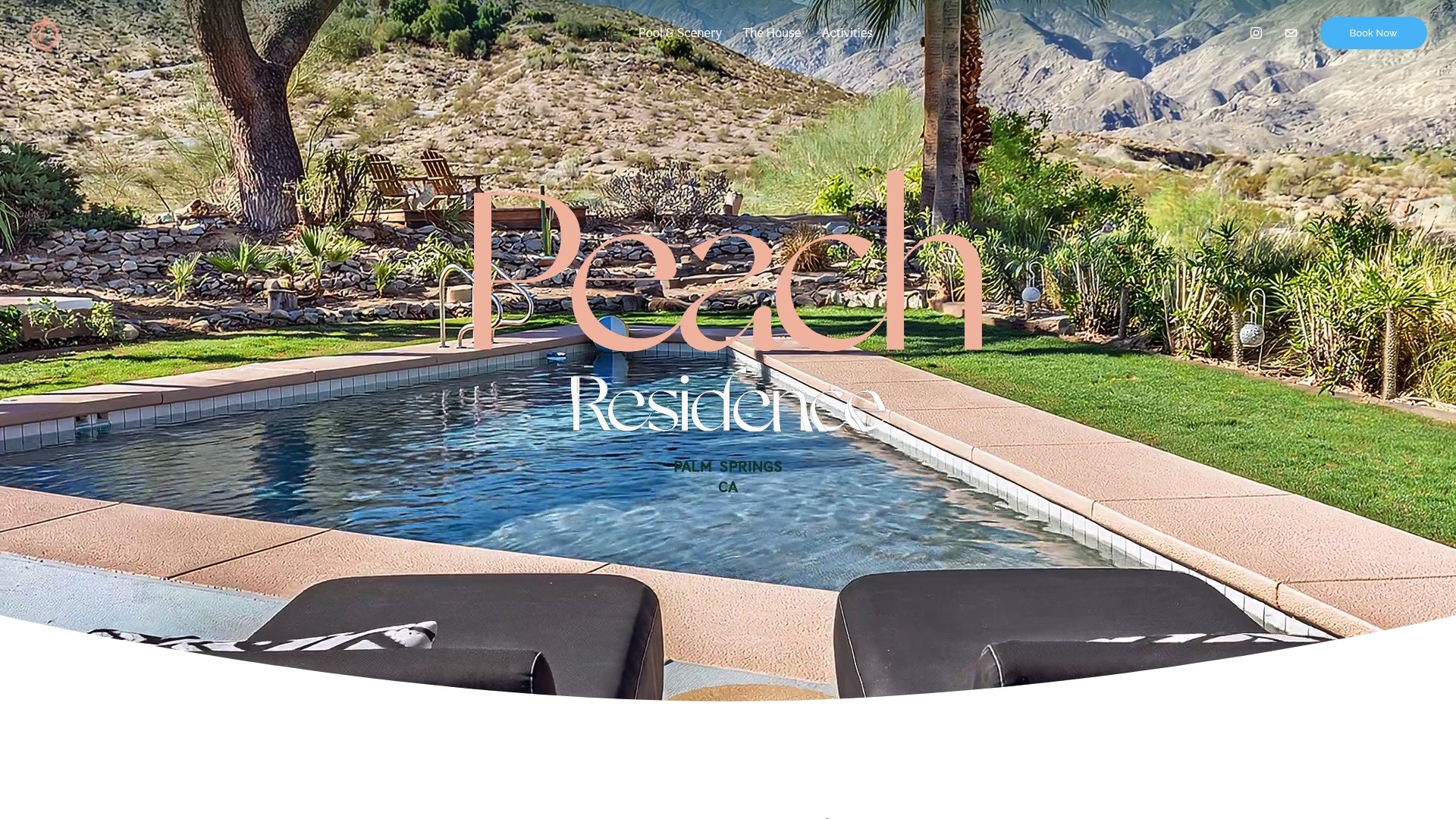
This freshly updated Palm Springs property sleeps eight across four distinct bedrooms, each with its own personality. The indoor/outdoor flow is real: doors open to wide desert air, mountain views that genuinely don't quit, and the kind of end-of-the-cul-de-sac quiet that lets you build your own retreat on your terms. Starting at $65 per person per night, it's one of the most accessible ways to experience Palm Springs desert life without locking yourself into someone else's schedule. Pair it with the region's curated desert activities and you have everything a proper desert retreat requires, just designed around your group instead of a program director's preferences.
FAQ
What is a desert retreat in simple terms?
A desert retreat is an intentional trip into an arid natural environment designed to support mental, physical, or spiritual renewal. It differs from a regular vacation by centering around a specific wellness or personal growth outcome.
What is a desert wellness retreat?
A desert wellness retreat combines the restorative conditions of desert environments with structured health programming, including yoga, meditation, nutrition guidance, spa treatments, and guided outdoor activities.
What are the main benefits of desert retreats?
The core benefits include deep mental clarity from desert silence, physical restoration through wellness programming, disconnection from digital distractions, and access to unique natural experiences like stargazing and sunrise hiking.
When is the best time to visit a desert retreat?
For most Southwestern US desert destinations including Palm Springs, October through April offers the most accessible outdoor conditions. Summer temperatures frequently exceed 110°F and limit outdoor activities significantly.
How much does a desert retreat cost?
Costs vary considerably. Budget-accessible options start around $83 per night, while all-inclusive wellness immersions can run several thousand dollars. Private group rentals often offer the best per-person value, starting as low as $65 per person per night.