

Desert nights are the most underrated travel experience available to anyone willing to step outside after sunset. The combination of zero light pollution, temperatures that drop fast, and skies packed with stars creates an atmosphere you simply cannot replicate anywhere else. Knowing how to enjoy desert nights means more than just showing up. It means preparing your gear, timing your activities, and understanding how your own eyes work in the dark. This guide covers everything from dark adaptation to campfire sequencing so you get the most out of every hour after the sun goes down.
How to enjoy desert nights: what you need before you go
The difference between a magical desert evening and a miserable one comes down to preparation. Desert temperatures drop sharply after sunset, even in summer, which catches first-timers off guard. You can be sweating at 6 p.m. and shivering by 9 p.m. Packing for that range is the first and most important step.
Here is the gear checklist that actually matters:
- Layered clothing. Bring a light base layer, a mid-layer fleece, and a wind-resistant outer shell. You will use all three.
- Red-light flashlight. White flashlights destroy your night vision in seconds. A dimmable red flashlight preserves it. Red light affects rod cells less than white light and keeps your eyes adapted to the dark.
- Stargazing app. SkySafari and Stellarium both work offline, which matters when you are far from cell towers. Load your star charts before you leave.
- Binoculars. A standard 7x50 or 10x50 pair reveals craters on the moon, the Andromeda galaxy, and Jupiter's moons without any telescope setup.
- Water and snacks. Dehydration does not stop at sunset. Bring more water than you think you need.
- Desert vacation packing tips are worth reviewing before you finalize your bag, especially for hot and dry climates where the gear list differs from standard camping.
Pro Tip: Pack a non-illuminated magnifier for reading star charts. It lets you check your map without any light source at all, which keeps your eyes fully adapted to the dark.
How does dark adaptation work, and why does it matter?
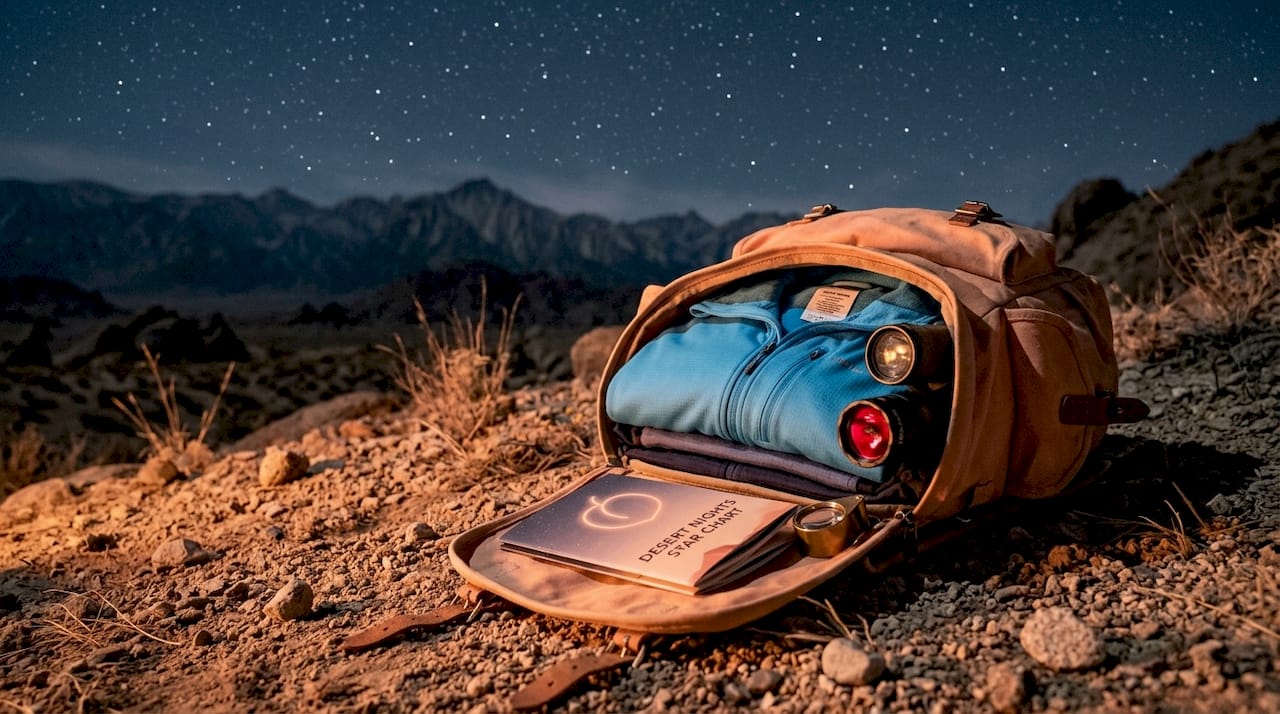
Dark adaptation is the biological process your eyes use to shift from daylight vision to night vision. It is the single biggest factor in how much of the night sky you actually see. Most travelers skip this step entirely and wonder why the stars look dim.
Here is how the process works, step by step:
- Arrive before full darkness. Give yourself time to settle in while there is still some ambient light. Rushing to your spot in the dark is harder and disrupts the process.
- Avoid all bright light for 30 minutes. Dark adaptation takes about 30 minutes and increases your eye's sensitivity by up to 10,000 times. One flash of white light resets the clock.
- Put your phone face-down or away. Even a quick phone check can ruin 20 minutes of adaptation. Use a stargazing app only after your eyes are fully adjusted.
- Switch to red light only. If you need to see anything, use your dimmable red flashlight at the lowest setting.
- Stay still and patient. The longer you sit in true darkness, the more the sky reveals itself.
"The best stargazing experiences depend more on conditions and behavior than on equipment, emphasizing location choice and patience." — Discover Magazine
One detail most guides miss: brief flashes of light shorter than one second have less impact on night vision than sustained bright lights. That means a quick glance at a dim red light is far less damaging than holding a flashlight on for 30 seconds. Knowing this lets you make smarter decisions in the field without panicking every time someone turns on a light.
Pro Tip: Choose a moonless night for your primary stargazing session. Full moonlight washes out faint stars the same way city lights do. Check a lunar calendar before you book.
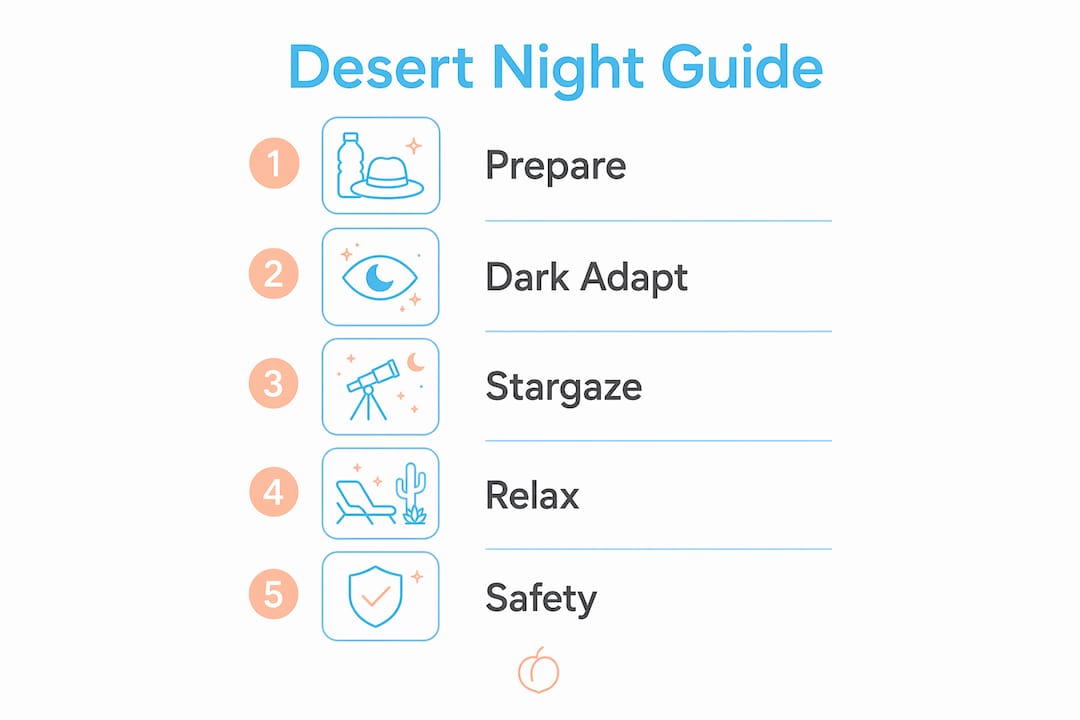
What are the best desert night activities, and how should you sequence them?
Structure matters more than most people realize when planning a desert evening. Jumping straight from a loud dinner to stargazing does not work. Your eyes need time, and your mind needs to slow down. The most satisfying desert nights follow a natural rhythm that builds toward quiet.
A typical desert night itinerary used in Sahara experiences runs like this:
- Arrival and settling in. Reach your camp or property while the sun is still low. Unpack, hydrate, and take in the changing colors of the sky. This is not wasted time. It is the transition your nervous system needs.
- Dinner under the stars. Eat outside. Traditional desert cuisine, think slow-cooked tagines, flatbreads, and mint tea, fits the atmosphere and keeps the mood grounded. Avoid heavy alcohol before stargazing since it affects visual acuity.
- Campfire time with music and storytelling. A campfire anchors the social part of the evening. Keep the fire modest in size so it does not flood the area with light. Acoustic instruments and conversation work better than speakers for the atmosphere you are building.
- Guided night walk. An optional 20 to 30 minute walk on open ground or dunes lets your eyes begin adjusting while your body cools down. The silence of the desert at this hour is genuinely striking.
- Quiet stargazing period. Scheduled quiet time after group activities produces the best star views and the deepest sense of calm. This is when you lie back, say nothing, and let the sky do the work.
The best desert night activities share one quality: they slow you down. The desert rewards patience in a way that few environments do.
For group travelers, the Palm Springs desert getaway guide covers how to coordinate these activities across different comfort levels and interests within a group.
How to stay safe and comfortable during desert nights
Safety during desert nighttime adventures is not complicated, but it requires attention to a few specific risks that catch people off guard.
- Monitor heat and heatwave alerts before you go. Severe heat conditions cause dehydration, headaches, and heat exhaustion even after sunset if the daytime temperature was extreme. Check forecasts 48 hours out.
- Layer up as the night progresses. Start with your base layer and add clothing every hour or so. Do not wait until you are cold to add a layer.
- Drink water consistently. Aim for at least half a liter per hour of outdoor activity. Dry desert air accelerates fluid loss even when temperatures feel comfortable.
- Know the signs of dehydration. Headache, dry mouth, and dark urine are the early signals. Dizziness and confusion mean you need to stop activity immediately.
- Plan your sleep setup in advance. If you are camping, a sleeping bag rated for temperatures 10 degrees below the expected low gives you a safety margin. If you are staying in a property, confirm that outdoor areas are accessible safely at night.
- Tell someone your plan. Desert terrain looks different in the dark. If you are doing a night walk, let someone know your route and expected return time.
"True immersion in dark skies requires turning off all unnecessary lights, including indoor lighting, to protect night vision and ambiance." — BBC News
The desert vacation health checklist from Peach-residence covers these risks in more detail and is worth bookmarking before any desert trip.
Key takeaways
Enjoying desert nights fully requires preparation, patience, and a deliberate sequence of activities that builds from social warmth to quiet stargazing.
| Point | Details |
|---|---|
| Prepare for temperature swings | Layer clothing and pack a red-light flashlight before any desert night outing. |
| Protect your dark adaptation | Avoid phone screens and white lights for at least 30 minutes to maximize night vision. |
| Sequence your evening deliberately | Move from dinner and campfire to quiet walks and stargazing for the best experience. |
| Choose moonless nights | Full moonlight washes out faint stars; check a lunar calendar before you book. |
| Prioritize hydration and safety | Drink consistently, monitor heat alerts, and always share your night walk plan with someone. |
What desert nights taught me about slowing down
By Rasmus
I have spent a lot of evenings in desert environments, and the one thing I keep coming back to is how badly most travelers underestimate the value of doing nothing. Not nothing as in boredom. Nothing as in sitting still long enough for the sky to actually show you what it has.
The first time I properly dark-adapted, I was genuinely shocked. I had been outside for 20 minutes thinking the sky was nice. Then I put my phone away, stopped talking, and waited another 15 minutes. The Milky Way appeared like someone had turned up a dimmer switch. It was not a new sky. It was the same sky I had been looking at. My eyes just finally caught up.
What I have found is that most people rush the transition from social to solitary. They go from a loud dinner straight to "okay, let's stargaze" and then feel underwhelmed. The campfire and the walk in between are not filler. They are the buffer your nervous system needs to shift gears. Experienced desert night watchers build that buffer in deliberately, and it changes the whole experience.
My honest advice: resist the urge to fill every minute. The desert does not reward busyness. It rewards the traveler who sits down, shuts up, and waits. The silence alone is worth the trip.
— Rasmus
Experience desert nights from Peach-residence Palm Springs
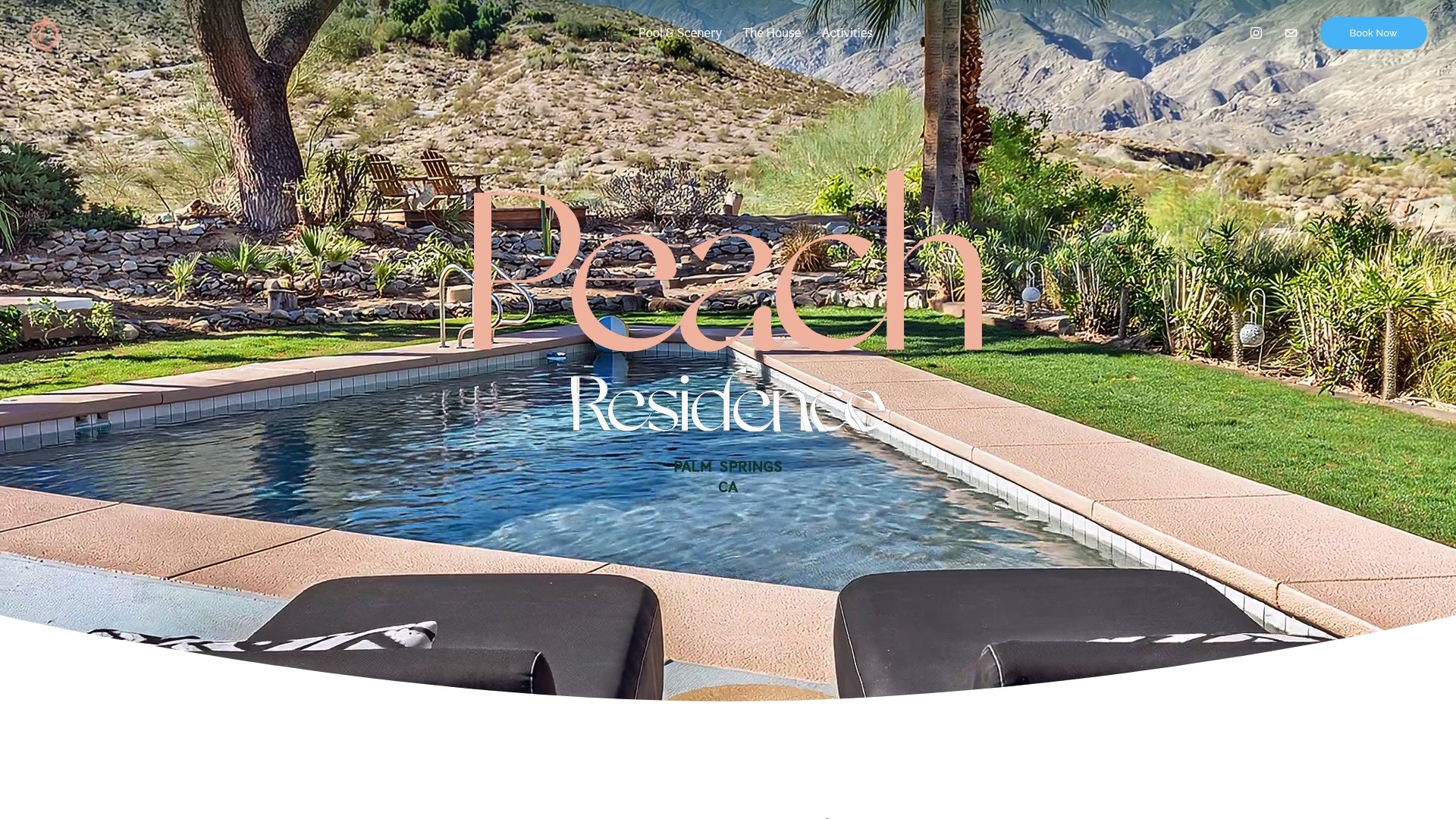
Peach-residence is built for exactly this kind of evening. No city lights, no noise, just wide-open skies from an end-of-the-cul-de-sac property with mountain views that genuinely stop conversation. The property sleeps up to 8 people across four bedrooms, starting at $65 per person per night, and the indoor/outdoor layout means the desert night is always one open door away.
The activities available through Peach-residence include stargazing sessions, traditional dinners under the stars, and guided evening walks designed to make the most of the desert after dark. If you are planning a group trip to Palm Springs and want a base that takes the nighttime experience seriously, explore the house and see what a properly set-up desert property actually looks like.
FAQ
What is the best time to stargaze in the desert?
The best stargazing happens on moonless nights, at least 90 minutes after sunset, when the sky is fully dark. Avoid nights with a full or near-full moon since moonlight washes out faint stars.
How cold does the desert get at night?
Desert temperatures can drop 30 to 40 degrees Fahrenheit after sunset, even in summer. Layered clothing is the standard solution, starting with a base layer and adding a fleece and wind shell as the night progresses.
How long does dark adaptation take?
Dark adaptation takes about 30 minutes and increases eye sensitivity by up to 10,000 times. Avoiding all bright light, including phone screens, during this period is the most important thing you can do for your stargazing experience.
Do I need a telescope to enjoy desert night stargazing?
No. A standard pair of 7x50 or 10x50 binoculars reveals far more than the naked eye, including craters, galaxies, and planets. A telescope adds detail but is not required for a genuinely impressive experience.
Is it safe to walk in the desert at night?
Yes, with basic precautions. Stick to known paths, carry a red-light flashlight, tell someone your route, and bring water. Avoid walking alone in unfamiliar terrain, and always check for wildlife activity specific to your region before heading out.