
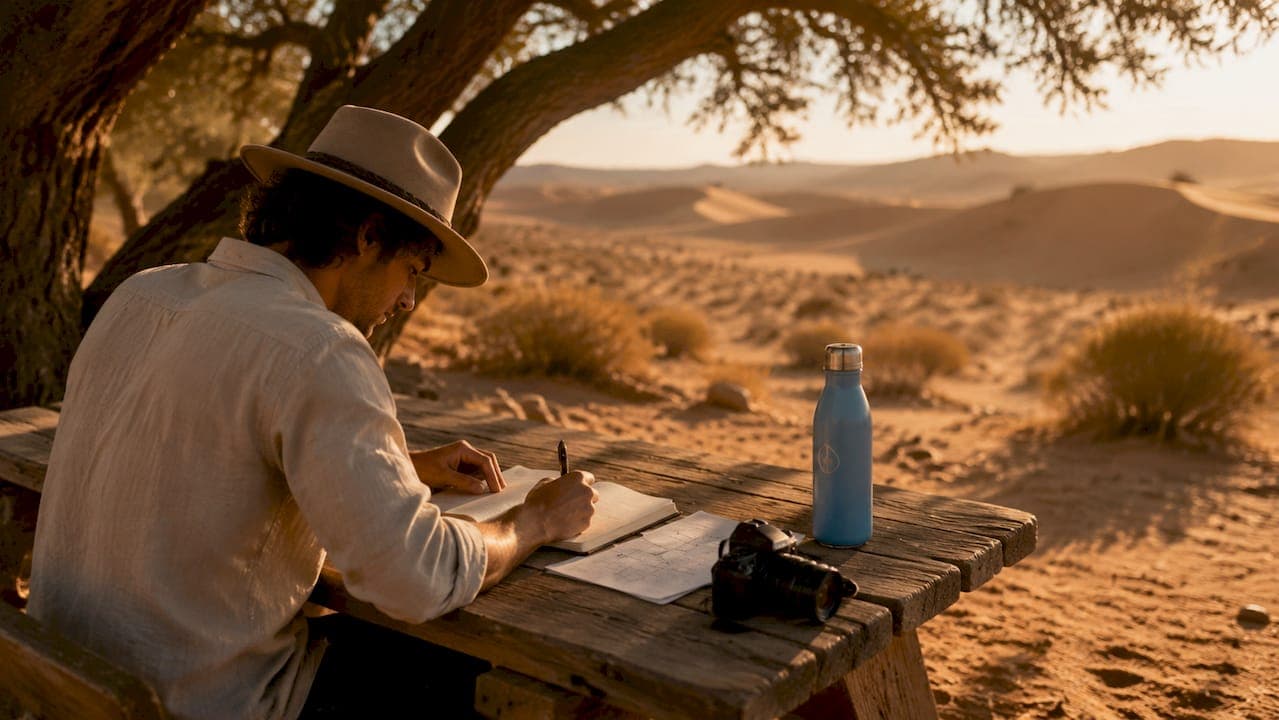
Desert drama is defined as a genre of storytelling, visual art, and performance where the desert landscape drives both the physical setting and the emotional stakes of the narrative. The term covers everything from sweeping cinematic epics and stage plays to oil paintings and literary fiction. What unites them is the desert itself: a place that strips characters down to their raw essentials and forces confrontation. Whether you are a traveler drawn to arid landscapes, a reader hunting for your next obsession, or a nature enthusiast trying to name what you feel standing under a wide open sky, understanding desert drama gives that feeling a frame.
What is desert drama in film and television?
Desert drama in visual media is the genre most audiences recognize first. Films and series use the desert as both a physical arena and a symbolic stage, where survival, history, and human conflict collide under relentless sun.
The Qatar Media Corporation's 2026 series Heroes of the Desert is one of the clearest current examples of the genre. The series spans 15 episodes of 45 minutes each, divided into three quintets that explore key figures and social justice themes from pre-Islamic Arabian history. That structure matters: it shows how desert drama can carry serious cultural and historical weight, not just action spectacle.
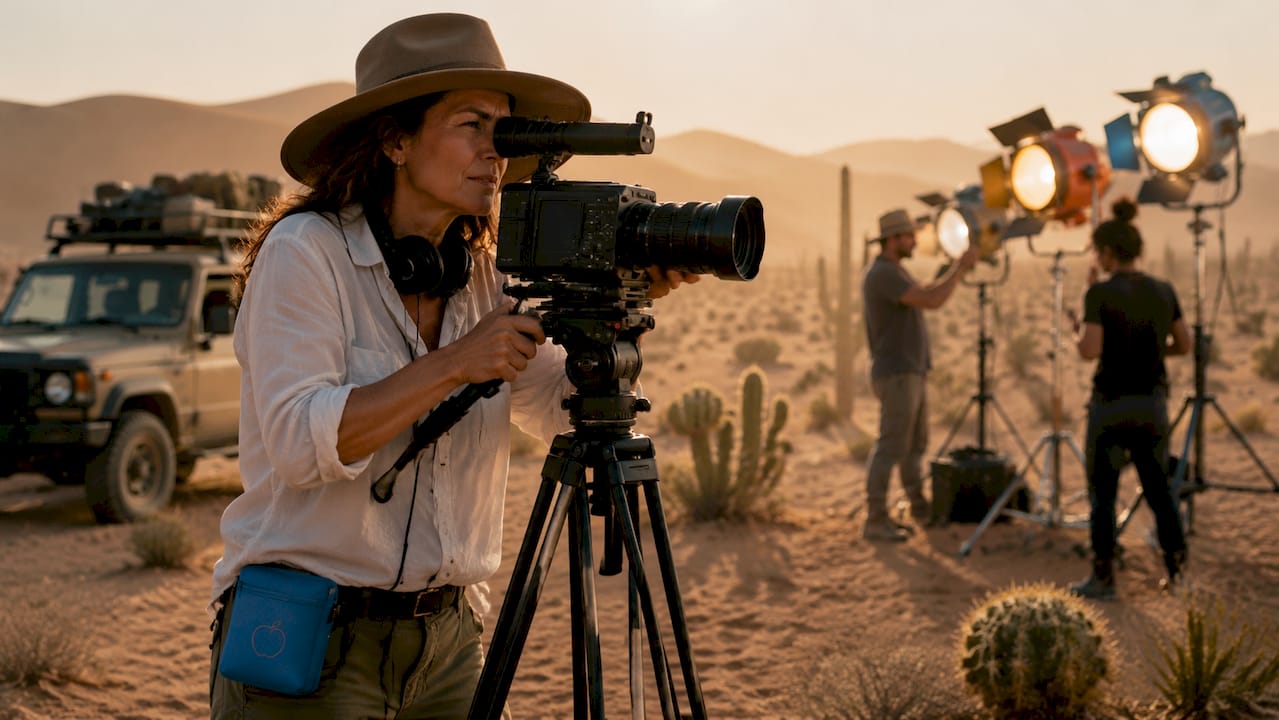
On the film side, Desert Warrior demonstrates the scale the genre can reach. Directed by Rupert Wyatt, the film carried a $150 million production budget and blended desert Western tropes with pre-Islamic cultural elements. That budget reflects a real market appetite for large-scale desert storytelling with cinematic authenticity.
Key features of desert drama in film and TV
The features that define the genre in visual media are consistent across productions:
- Setting as character. The desert is never just backdrop. Heat, emptiness, and scale actively shape what characters can and cannot do.
- Survival as plot engine. Physical survival and social survival often run in parallel. Characters fight the land and each other simultaneously.
- Cultural specificity. The best desert dramas are rooted in real geography and history. Heroes of the Desert draws on Arabian heritage; Desert Warrior engages pre-Islamic tribal dynamics.
- Visual contrast. Cinematographers use the desert's stark palette, bleached earth against deep shadow, to create tension without dialogue.
- Isolation as pressure. Removing characters from civilization forces secrets to surface and alliances to break.
Pro Tip: Desert drama productions face a specific credibility risk. Minor prop inaccuracies like mismatched currency or uncharged electronics can shatter audience immersion in a stark desert setting faster than any script weakness. Authenticity in the physical details is non-negotiable.
How does desert drama work in literature and theater?
Literary desert drama operates by a different set of rules than film, but the emotional core is identical. Drama as a literary form uses scripted present-tense dialogue and character interaction without narration to reveal plot and personality in real time. The desert setting intensifies this structure because it eliminates distraction and forces characters into direct confrontation.
Sam Shepard's Fool for Love is the canonical example. Set in a Mojave Desert motel room, the play uses the desert as emotional metaphor, mirroring the psychological tension between two characters trapped by shared history and mutual obsession. The Mojave does not just provide atmosphere. It enforces the claustrophobia that makes the play's confrontations feel inescapable.
Literary desert drama tends to follow a recognizable structural pattern:
- Forced proximity. Characters are stranded, marooned, or deliberately isolated in a desert location with no easy exit.
- Escalating revelation. The isolation strips away social pretense. Secrets emerge not because characters choose to share them but because the environment leaves nowhere to hide.
- Psychological mirroring. The desert's emptiness reflects the characters' inner states. A barren landscape signals a barren relationship or a depleted self.
- Confrontation as climax. Without the relief of escape, conflict must resolve through direct confrontation rather than avoidance.
- Ambiguous resolution. Desert dramas rarely end with clean answers. The landscape resists closure, and the narratives follow suit.
"Desert drama functions as a potent narrative canvas blending physical harshness and psychological intensity, serving as a mirror to character interiority as much as a physical setting." — EBSCO Research, Fool for Love: Analysis of Setting
T.C. Boyle's fiction offers a contemporary prose parallel. His work uses California desert settings to stage interpersonal conflict among small groups, where the landscape escalates psychological pressure rather than simply providing scenery. The "three-hander" structure, three characters in escalating conflict, appears repeatedly in desert drama because the environment makes a fourth character unnecessary. The desert fills that role.
How does desert drama appear in visual art?
Desert drama extends well beyond narrative forms. Visual artists have used desert settings to create work that carries the same emotional charge as any play or film, often through a single image.
Ray Roberts' oil-on-linen painting Desert Drama is a direct example. The work measures 20x24 inches and is priced at $6,500 through Legacy Gallery. It captures the stark aesthetic of desert light and shadow with the kind of stillness that feels charged rather than empty. That tension, the sense that something is about to happen in a landscape that appears to be doing nothing, is the visual equivalent of dramatic irony.
| Form | Example | Core technique |
|---|---|---|
| Oil painting | Ray Roberts' Desert Drama | Light and shadow contrast to suggest latent tension |
| Photography | Death of the New West series | Empty billboards as symbols of isolation and narrative absence |
| Film | Desert Warrior | Cinematic scale and cultural specificity |
| Stage play | Sam Shepard's Fool for Love | Confined space amplifying psychological conflict |
Photography of desert landscapes has developed its own symbolic vocabulary. Blank highway billboards function as analogs for cinema screens in desert photography, turning an ordinary roadside object into a statement about emptiness, narrative, and the absence of audience. That kind of symbolic layering is what separates desert drama art from simple landscape work.
Pro Tip: When visiting desert art galleries or desert modern architecture spaces, look for how artists handle negative space. In desert drama work, what is absent from the frame carries as much meaning as what is present.
What themes define desert drama?
The recurring themes in desert drama are not accidental. They grow directly from the environment and from the dual meaning of the word "desert" itself.
"Desert" means both an arid landscape and the act of abandonment. That double meaning runs through the genre at every level. Characters in desert dramas are often literally in a desert and emotionally deserted. They have been left behind, cut off, or stripped of the social structures that normally define them. The landscape and the psychological state reinforce each other constantly.
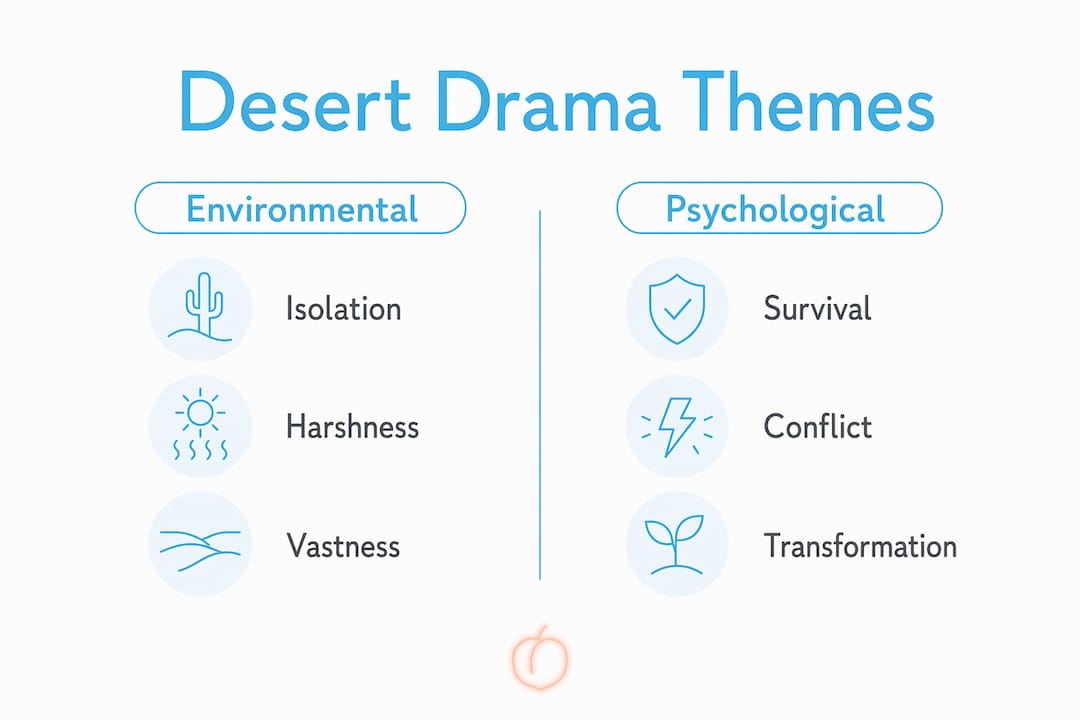
The themes that appear most consistently across desert drama in all its forms include:
- Survival under pressure. Physical survival in an extreme environment becomes a metaphor for emotional or social survival.
- Isolation and loneliness. The desert removes the noise of civilization and leaves characters with only themselves and each other.
- Abandonment. Both the literal and figurative meanings of "desert" feed narratives about being left behind, forgotten, or cast out.
- Cultural identity. Desert dramas rooted in specific regions, the Arabian Peninsula, the American Southwest, the Mojave, engage questions of heritage, belonging, and historical memory.
- Resilience. Characters who survive the desert, physically or emotionally, demonstrate a kind of endurance that feels earned rather than given.
The desert also functions as what literary critics call a "pressure cooker" setting. It concentrates conflict by removing escape routes. A character who might walk away from a difficult conversation in a city cannot do so in a desert motel room or a remote encampment. That enforced presence is what makes desert drama feel so immediate, regardless of the medium.
Key Takeaways
Desert drama is defined by the desert's dual role as both a physical setting and a psychological force that strips characters down and drives conflict to its core.
| Point | Details |
|---|---|
| Core definition | Desert drama uses arid landscapes to drive narrative tension, emotional conflict, and thematic depth across film, theater, and art. |
| Literary structure | Plays and novels use forced isolation and present-tense confrontation to expose character secrets and escalate psychological pressure. |
| Cinematic scale | Productions like Desert Warrior and Heroes of the Desert show the genre operates at both cultural and commercial scale. |
| Visual art dimension | Artists like Ray Roberts and desert photographers use symbolic motifs to convey drama through a single image. |
| Dual meaning | The word "desert" carries both landscape and abandonment meanings, giving the genre its distinctive emotional layering. |
Why desert drama hits differently than any other genre
I have spent years reading, watching, and standing inside desert landscapes, and the thing that keeps pulling me back to desert drama is how honest it is. Other genres can hide weak characters behind plot mechanics. The desert does not allow that. Strip away the city, the crowd, the noise, and what you have left is the person. That is the genre's real power.
What surprises most people is how universal the themes feel despite the specificity of the setting. Sam Shepard set Fool for Love in the Mojave, not because the Mojave is exotic, but because it is merciless. Heroes of the Desert draws on pre-Islamic Arabian history because that history carries weight that a generic setting never could. The specificity is the point. Vague settings produce vague drama.
The other thing I would push back on is the idea that desert drama is a niche interest. The $150 million budget behind Desert Warrior tells a different story. Audiences are hungry for narratives that feel stripped down and real. The desert delivers that in a way that no other environment quite matches. If you want to understand why desert escapes have become one of the most sought-after travel categories, look at what desert drama has been doing to our cultural imagination for decades. The stories got there first.
— Rasmus
Desert drama comes to life at Peach-residence
The themes that make desert drama so compelling, wide open space, unfiltered sky, the feeling of being fully present with no distractions, are exactly what Peach-residence delivers in Palm Springs.

Peach-residence sits at the end of a cul-de-sac with mountain views and room for eight people across four bedrooms. No city lights, no noise, just the kind of immersive desert setting that makes you understand why writers and filmmakers keep returning to this landscape. Rates start at $65 per person per night. If you want to go deeper into what the desert offers, the activities program connects you to the landscape directly. This is not a resort. It is a front-row seat to the real thing.
FAQ
What is the desert drama definition?
Desert drama is a genre of storytelling, performance, and visual art where the desert landscape functions as both setting and emotional driver. The harsh environment intensifies conflict, isolation, and character revelation across film, theater, literature, and visual art.
What are examples of desert drama in film?
Desert Warrior, with its $150 million budget, and the Qatar Media Corporation's Heroes of the Desert series are current examples. Both use desert settings to explore cultural history, survival, and interpersonal conflict at scale.
What makes a desert drama different from other genres?
The desert removes escape routes and social distractions, forcing characters into direct confrontation. The dual meaning of "desert" as both landscape and abandonment gives the genre a built-in emotional depth that other settings cannot replicate.
How does desert drama work in theater?
In theater, desert drama uses scripted present-tense dialogue without narration to reveal character in real time. Sam Shepard's Fool for Love is the defining example, using a Mojave Desert motel room to trap characters in unavoidable psychological conflict.
What themes appear most often in desert drama?
Survival, isolation, abandonment, cultural identity, and resilience are the core themes. These grow directly from the desert environment and from the word "desert" itself, which carries both a geographic and an emotional meaning.