

A vacation home persona is a detailed, semi-fictional profile of an ideal guest or buyer that captures demographics, motivations, booking behaviors, and amenity preferences. This concept goes far beyond a general target market. It gives property owners and marketers a specific character to write for, design for, and price for. The difference between "families with kids" and "Sarah and Mark, 35, two kids, outdoor enthusiasts who need reliable streaming after 8 PM" is the difference between a listing that blends in and one that books out. Understanding what is vacation home persona is the first step toward filling your calendar with the right guests.
What is a vacation home persona, exactly?
A vacation home persona is defined as a semi-fictional guest profile built from real booking data, reviews, and guest behavior. It includes age, occupation, travel motivation, group size, and specific amenity expectations. The profile is fictional in the sense that it represents a type, not a single real person. It is grounded in fact because every detail comes from actual guest patterns.
The concept applies equally to the vacation rental target market and to the buyer side of the equation. A guest persona tells you who is renting your property and why. A buyer persona tells you who is purchasing vacation homes and what drives that decision. Both profiles shape how you position, price, and present a property.
Platforms like Hostaway, Guesty, and Hostfully have built entire marketing frameworks around persona development. These tools exist because generic messaging consistently underperforms. A listing that speaks to everyone speaks to no one.
How does a persona differ from a target market?
A target market is broad. A persona is specific. Guesty defines this gap clearly: a target market might be "couples seeking relaxation," while a persona is "Jamie and Alex, early 40s, dual income, no kids, who want a quiet desert escape with a private pool and no check-in hassle." That level of detail changes everything from your listing headline to your welcome note.
Here is why specificity matters in practice:
- Families with young children need safety features, pack-and-play availability, and proximity to kid-friendly activities. Generic "family-friendly" copy does not communicate any of that.
- Remote workers on workcations prioritize upload speed, a dedicated desk, and blackout curtains. A listing that buries Wi-Fi specs in the fine print loses this guest to a competitor.
- Couples on milestone trips want atmosphere, privacy, and a wow factor in the first photo. They are not reading amenity lists. They are buying a feeling.
- Investment-minded buyers want cap rate data, rental history, and HOA restrictions. They respond to numbers, not lifestyle photography.
The shift from pain points to goals is the real power of persona thinking. Instead of asking "what do guests complain about," you ask "what does this specific guest need to feel like the trip was worth it." That reframe produces better listings, better amenities, and better reviews.
How do you build vacation home personas from real data?
Building a vacation home buyer profile or guest persona starts with the data you already have. Most property owners sit on a goldmine of booking patterns, review language, and repeat guest behavior that they never analyze systematically.
Follow these steps to build profiles that actually guide decisions:
- Pull your booking history. Look at group size, length of stay, booking lead time, and seasonal patterns. These numbers reveal who is actually choosing your property.
- Read every review. Guests tell you exactly what mattered to them. Words like "peaceful," "perfect for our team retreat," or "kids loved the pool" are persona signals hiding in plain text.
- Segment by revenue contribution. Not all guests are equal. Identify which guest types book longer stays, leave better reviews, and return. Build your primary persona around them.
- Match features to needs. Once you know who your best guests are, audit your property through their eyes. Does your listing lead with what they care about most?
- Build 2–5 distinct profiles. Most experts recommend keeping your persona count between 2 and 5. More than that dilutes your marketing focus and makes consistent messaging nearly impossible.
Pro Tip: Read your one-star and two-star reviews as carefully as your five-star ones. Negative reviews often reveal a persona mismatch, meaning guests who were never the right fit in the first place. That insight helps you filter out the wrong guests before they book.
A common pitfall is building personas that are too broad to be useful. "Travelers who want a relaxing vacation" is not a persona. It is a wish. A useful persona names the guest, describes their job, explains their travel anxiety, and specifies what they will photograph for Instagram. That level of detail is what turns a profile into a decision-making tool.
The role of home amenities in persona matching is often underestimated. A fast Wi-Fi connection is irrelevant to a retiree couple but is a dealbreaker for a remote worker. Knowing your persona tells you where to spend your improvement budget.
Who buys vacation homes and why does it matter?
Understanding vacation home demographics on the buyer side reveals a market in transition. 42% of vacation home buyers cited rental income as a major purchase motivation in 2025, up from 33% in 2023. That shift is not subtle. It means nearly half of all buyers are thinking like investors, not just vacationers.

The age profile of buyers adds another layer. 55% of U.S. second-home owners were age 55 or older in 2023, with a median buyer age of 61. Average ROI on vacation rental properties runs around 6.5%. These numbers describe a buyer who is financially experienced, patient, and focused on long-term value rather than quick wins.
| Buyer Segment | Primary Motivation | Marketing Priority |
|---|---|---|
| Older, high-net-worth buyers | Exclusive personal use | Lifestyle, prestige, privacy |
| Younger buyers (35–50) | Rental income to offset costs | ROI data, occupancy rates, management ease |
| Investment-first buyers | Portfolio diversification | Cap rate, rental history, market comps |
| Co-ownership participants | Affordability and shared access | Scheduling flexibility, cost transparency |
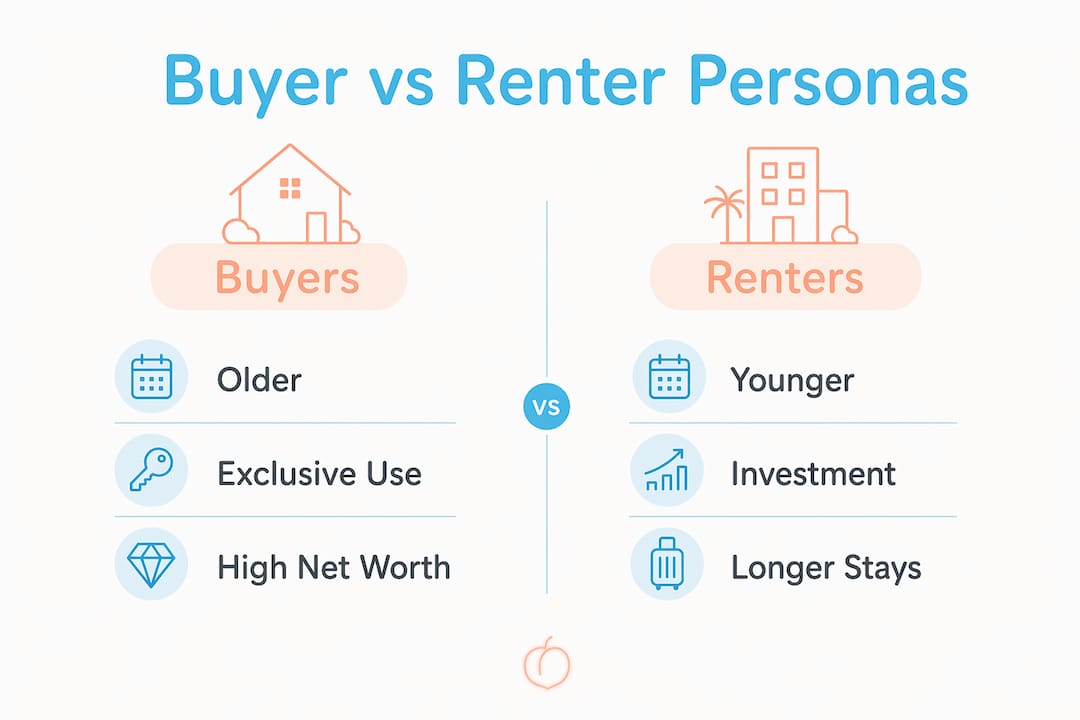
Younger buyers view rental participation as a financial necessity, while older, wealthier buyers prefer exclusive use. That generational divide is critical. It means the same property needs two completely different value propositions depending on who is reading the listing.
Pro Tip: If your property attracts both personal-use buyers and investment-minded renters, create two separate one-pagers: one leading with lifestyle imagery and one leading with revenue projections. Never try to serve both motivations in a single document.
Luxury vacation home buyers, as noted in research from Keycrew, are experienced and business-savvy. They act quickly on clear value propositions and rarely engage in bidding wars. That behavior profile demands high preparation from sellers and a listing that communicates value without ambiguity.
How do personas shape marketing, pricing, and property features?
Clear guest personas shape every tactical decision in vacation rental management, from the first listing photo to the pricing algorithm you use on a holiday weekend. This is where persona work pays off in measurable ways.
Listing copy and photography
Family personas respond to images of the kitchen table set for six, the backyard with space to run, and the bunk bed setup. Remote worker personas respond to a clean desk shot with natural light and a speed test screenshot in the listing description. Tailoring listing content to a specific persona dramatically improves conversion rates. Generic photos of a living room tell no one anything useful.
Amenity selection by persona
Different personas justify completely different amenity investments:
- Families: Pack-and-play, high chair, board games, fenced yard, streaming services
- Remote workers: Dedicated workspace, gigabit Wi-Fi, ergonomic chair, coffee station
- Couples on getaways: Hot tub, mood lighting, wine glasses, curated local restaurant list
- Group travelers: Large dining table, outdoor grill, multiple bathrooms, flexible sleeping arrangements
For group travel accommodations, the persona lens reveals that the decision-maker in the group is often not the person who will use the property most. Marketing to the organizer, not just the guest, changes your messaging entirely.
Pricing and channel strategy
A remote worker persona books longer stays and often books further in advance. That behavior justifies a weekly discount structure and presence on platforms that attract longer-term renters. A weekend couple persona books last-minute and responds to urgency-based pricing. Knowing your persona tells you which pricing lever to pull and when.
Seasonal persona shifts are real. A Palm Springs property might attract couples in winter and family groups in summer. Updating your listing copy and lead photos to reflect the seasonal persona is a low-effort, high-return adjustment that most owners skip entirely. Exploring vacation rental revenue strategies built around persona data shows consistent occupancy gains compared to flat-rate approaches.
Why i think most owners get personas completely backwards
I have watched property owners spend hours debating paint colors and zero minutes analyzing who actually books their home. The persona conversation almost always starts too late, after the listing is live and the reviews are mixed.
The mistake is treating persona work as a marketing exercise. It is a property management exercise. The persona should exist before you buy the furniture, before you write the listing, and before you set your minimum stay. Every decision flows from it.
What I find most interesting is how persona specificity creates a competitive advantage that is genuinely hard to copy. A competitor can match your price. They cannot easily match a listing that speaks directly to a remote worker's specific anxieties about connectivity and workspace comfort, because that copy only comes from deeply understanding that guest type.
The market in 2026 is also more segmented than it was three years ago. The rise of investment-oriented buyers and co-ownership models means the vacation home buyer profile is splitting into distinct camps with almost nothing in common. Owners who try to appeal to all of them will appeal to none. The ones who pick a lane and commit to it are the ones filling their calendars.
My advice: start with your best three reviews. Find the common thread. That thread is your primary persona. Build everything else from there.
— Rasmus
Peach-residence: built around four distinct personas
Peach-residence in Palm Springs was designed with persona thinking at its core. Four bedrooms, four distinct characters, one property that works for couples, families, group retreats, and desert dreamers alike.
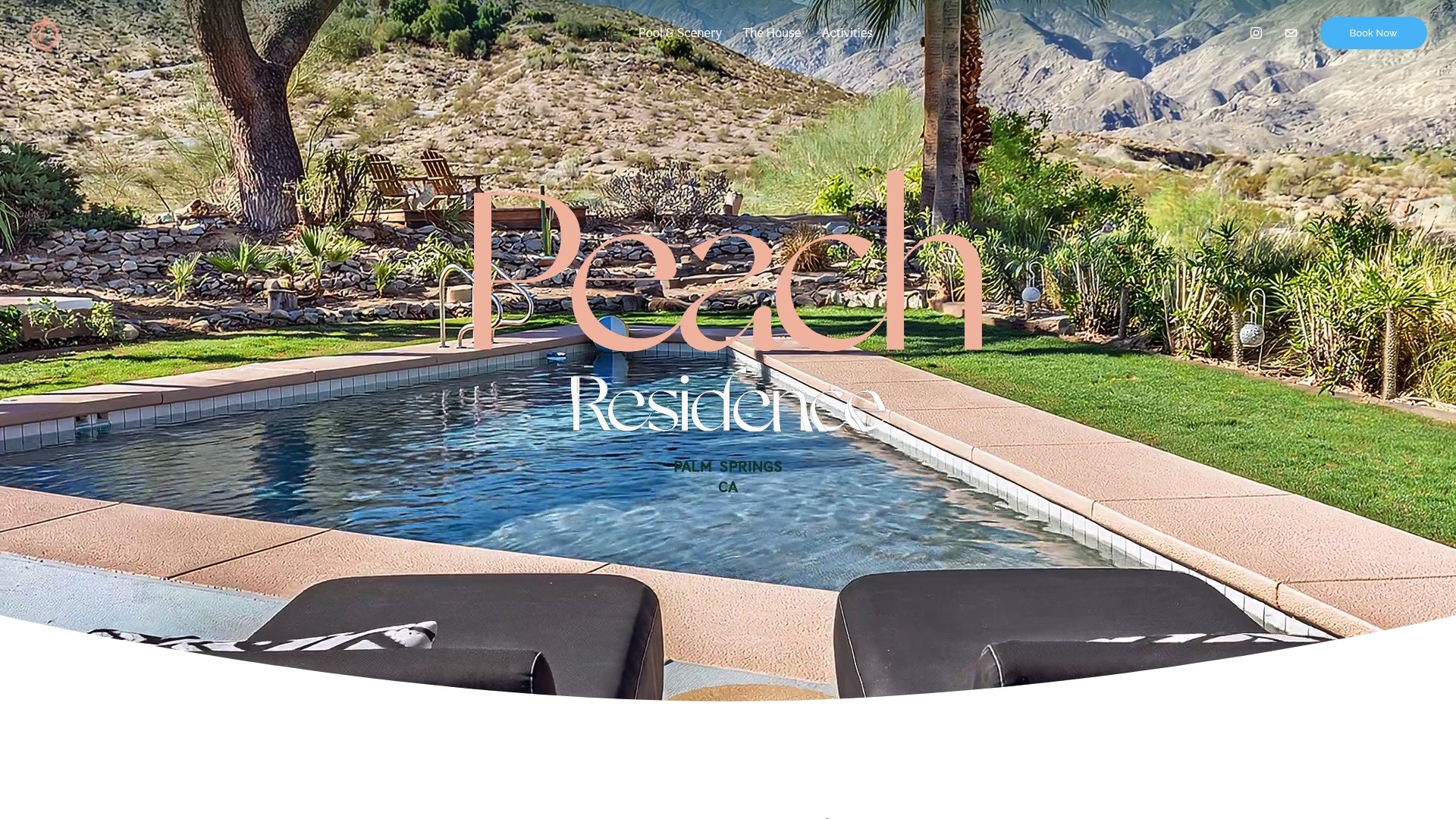
The property sits at the end of a cul-de-sac with mountain views, one neighbor, and zero city noise. That setting is not accidental. It matches the primary persona of guests who want unfiltered nature without sacrificing comfort. Updated in 2025, Peach-residence commits fully to the Palm Springs indoor/outdoor lifestyle: doors open, desert air in, and a private setting that photographs as well as it feels. Starting at $65 per person per night, it delivers the kind of tailored guest experience that persona-driven design makes possible. Browse the full property and book your stay at Peach-residence.
Key takeaways
A vacation home persona is the single most useful tool a property owner has for converting browsers into bookers and one-time guests into repeat visitors.
| Point | Details |
|---|---|
| Define before you design | Build your guest persona before furnishing or listing to align every decision with your ideal guest. |
| Specificity beats breadth | A profile naming age, occupation, and travel anxiety outperforms a broad category like "families" every time. |
| Buyer motivation is shifting | 42% of 2025 buyers cited rental income as a major motivation, requiring investment-focused messaging for younger segments. |
| Personas drive pricing strategy | Guest behavior patterns like booking lead time and stay length should directly inform your discount structure and channel selection. |
| Limit to 2–5 profiles | More than five personas dilutes marketing focus and makes consistent messaging across platforms nearly impossible. |
FAQ
What is a vacation home persona in simple terms?
A vacation home persona is a detailed profile of your ideal guest or buyer, including their age, motivation, and specific needs. It guides every marketing and property decision you make.
How many vacation home personas should a property have?
Most experts recommend 2–5 distinct personas per property. More than five makes consistent marketing nearly impossible and dilutes your messaging across channels.
How does a vacation rental persona differ from a target market?
A target market is a broad group like "couples." A persona is a specific character with a name, job, travel anxiety, and defined preferences that you can write listing copy directly for.
Who buys vacation homes most often?
The median vacation home buyer in the U.S. is 61 years old, and 55% of second-home owners are age 55 or older. Younger buyers increasingly purchase with rental income as a primary motivation.
How do personas affect vacation rental pricing?
Guest personas reveal booking behavior patterns like lead time and stay length. Those patterns tell you whether to use weekly discounts, last-minute pricing, or seasonal rate adjustments to maximize occupancy.