
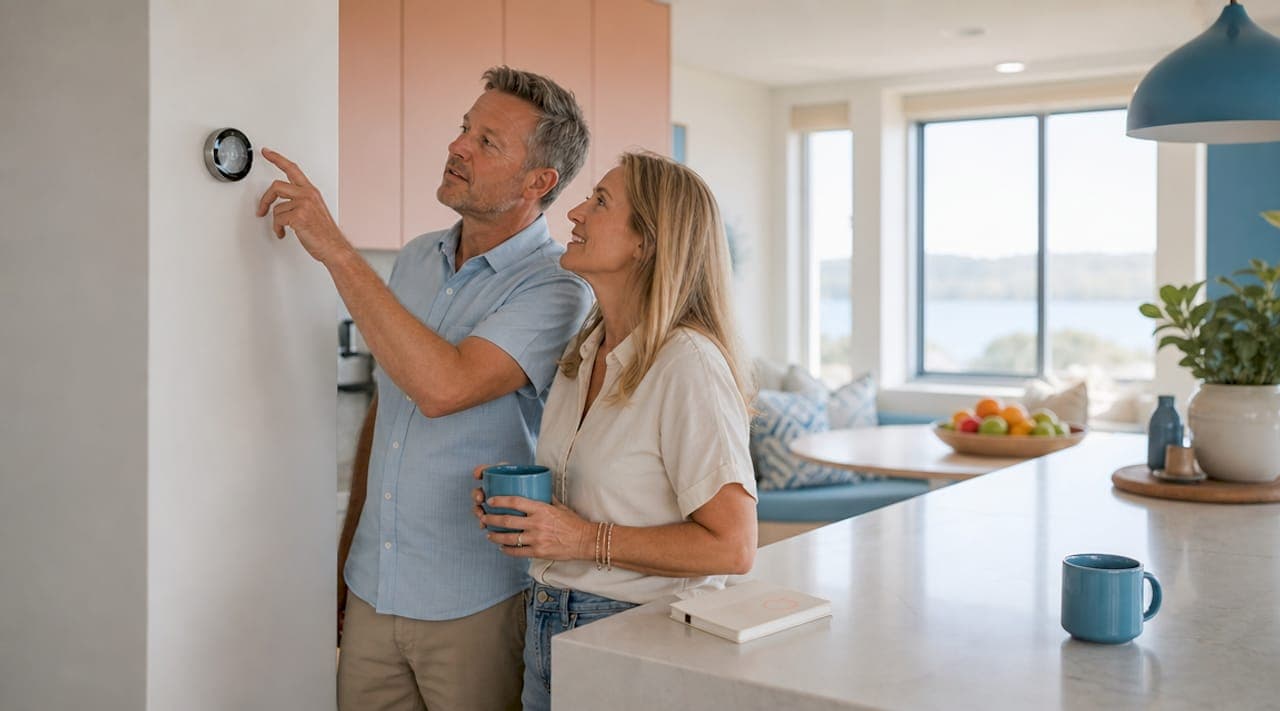
Home amenities are defined as the physical features, systems, and services within a residential property that directly shape comfort, daily function, and market value. The role of home amenities extends far beyond aesthetics. A well-chosen set of features determines whether a property attracts buyers, retains renters, and supports genuine well-being. Research from the Zillow Buzz Index and AppFolio's 2026 Renter Preferences Report confirms that specific amenities measurably shift buyer engagement and lease renewal rates. Understanding which features deliver real returns, and which ones drain budgets without payoff, is the clearest competitive advantage any homeowner or renter can have in 2026.
How home amenities shape resident comfort and well-being
The importance of home features goes well beyond square footage or curb appeal. Residential scientists now organize amenity impact into six measurable dimensions: thermal comfort, acoustic quality, lighting, hygiene, safety, and security. A large-scale 2026 study published in the Journal of Happiness Studies found that these six environmental facets collectively associate with higher subjective well-being, with safety and hygiene showing the strongest individual effects. That finding matters because it shifts the conversation away from luxury and toward livability.
Thermal comfort means proper insulation and HVAC performance, not just a smart thermostat on the wall. Acoustic quality means soundproofing between rooms and from street noise, which directly affects sleep and concentration. Lighting quality covers both natural light access and the color temperature of artificial fixtures. Each of these dimensions interacts with the others. A home with excellent lighting but poor acoustic insulation still produces a stressed, fatigued resident.
The research also supports a multidimensional residential approach over isolated upgrades. Installing a high-end security system while ignoring ventilation or moisture control produces incomplete results. Residents notice the gaps even when they cannot name them. The properties that consistently score highest in satisfaction surveys address all six dimensions at a baseline level before adding any premium features.
- Thermal: Insulation, HVAC efficiency, and window glazing
- Acoustic: Wall insulation, double-pane windows, and floor underlayment
- Lighting: Natural light access, LED color temperature, and dimmer controls
- Hygiene: Ventilation systems, mold prevention, and water filtration
- Safety: Smoke detectors, carbon monoxide alarms, and structural integrity
- Security: Deadbolts, smart locks, exterior lighting, and camera systems
Pro Tip: Before adding any premium amenity like a wine fridge or soaking tub, audit your property against all six dimensions above. Fixing a ventilation gap costs less and improves daily life more than almost any luxury upgrade.
What amenities actually do to property value and buyer engagement
The housing amenities impact on market value is real, but it is not uniform. The 2026 Zillow Buzz Index found that homes featuring exposed beams, brick walls, arched doorways, and vintage design elements receive 14 to 20% more daily views and saves on the platform. More views translate directly to faster sales and stronger offers. Features that raise online engagement function as marketing tools before a buyer ever steps through the door.
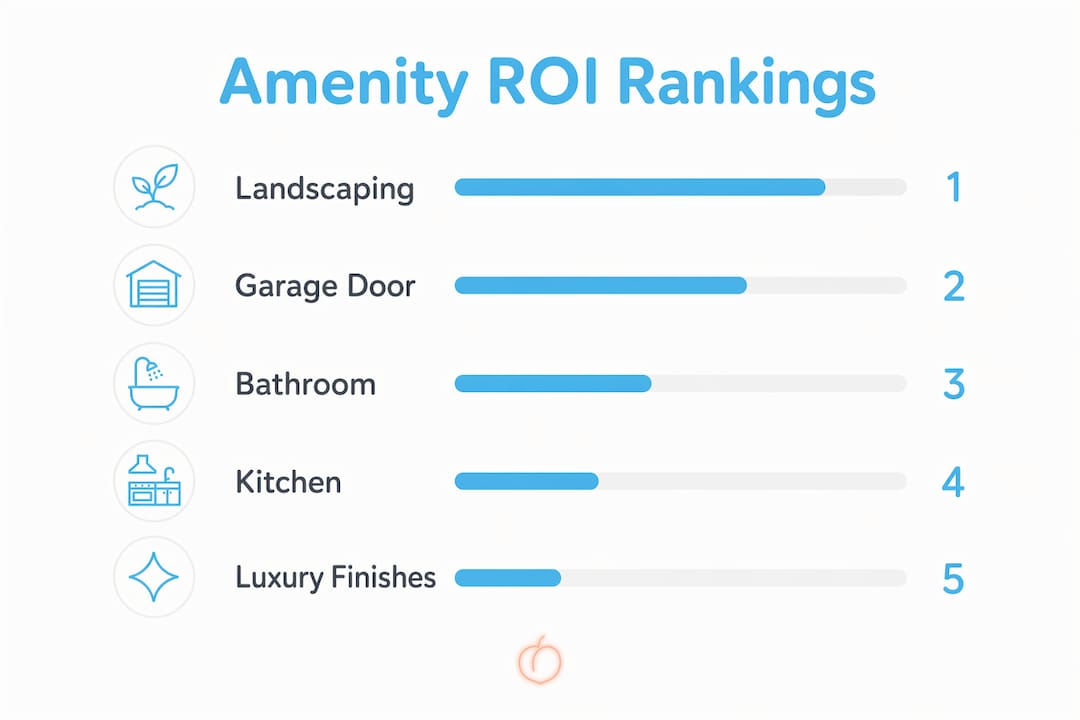
On the investment side, Opendoor's analysis of remodeling data shows that garage door replacement carries an estimated 93% ROI, making it one of the highest-returning single projects a homeowner can execute. Landscaping improvements can return between 100% and 200% of their cost, which means the front yard often outperforms the master bathroom as a value driver. Stone veneer, mid-range kitchen remodels, and deck additions round out the top performers.
Not every upgrade adds value. Some preserve it, and some actively destroy it. Over-personalized finishes, unpermitted additions, and pool installations in cold climates often fall into the value-destroying category. The distinction between adding, preserving, and destroying value is the most important framework any homeowner should apply before signing a contractor's estimate.
| Amenity type | Typical ROI | Value impact |
|---|---|---|
| Landscaping | 100 to 200% | Adds value, strongest curb appeal driver |
| Garage door replacement | ~93% | Adds value, high visibility upgrade |
| Mid-range kitchen remodel | 60 to 80% | Adds value, broad buyer appeal |
| Deck or outdoor living addition | 65 to 75% | Adds value, lifestyle-driven |
| Luxury master bath remodel | 30 to 50% | Preserves value, diminishing returns above mid-range |
| Pool (climate-dependent) | 0 to 40% | Variable, can destroy value in wrong markets |
Pro Tip: Prioritize curb appeal upgrades before interior renovations if you are preparing to sell. Buyers form their price ceiling before they walk in.
How amenities drive renter satisfaction and lease renewal
The benefits of home amenities for renters are most visible in lease renewal data. AppFolio's 2026 Renter Preferences Report found that satisfied renters are 72% more likely to renew their leases. Maintenance satisfaction alone boosts renewal likelihood by 81% and makes renters three times more likely to refer the property to others. Those numbers reframe the entire amenity conversation for landlords and property managers.
The amenities that attract renters initially are not always the ones that keep them. A rooftop lounge or coworking space might win a lease signing. Responsive maintenance, reliable appliances, and fast internet are what prevent a move-out notice twelve months later. Blueprint's 2026 survey of multifamily operators confirmed that core in-unit features and friction-reducing amenities outperform aspirational community features in long-term retention.
The amenities most valued by long-term renters, according to current industry data, include:
- Maintenance responsiveness: Fast repair turnaround is the single strongest predictor of renewal
- Appliance quality and reliability: Dishwashers, in-unit laundry, and refrigerators that work without drama
- Parking and garage access: Especially in suburban and Sun Belt markets
- High-speed internet infrastructure: Not just availability, but actual in-unit performance
- Move-in condition: A clean, functional unit on day one sets the tone for the entire tenancy
Demographic fit also matters more than most landlords acknowledge. A renter in their 30s with a remote job weights internet speed and a dedicated workspace above a pool. A retiree weights quiet, safety, and single-floor living. The best amenity package is the one calibrated to who actually lives there, not who you hope will.
Pro Tip: If you manage a rental property, track maintenance request resolution time as a key performance indicator. Cutting average response time from 72 hours to 24 hours can move renewal rates more than any physical upgrade.
How to select and prioritize home amenities for your situation
Selecting the right features depends on whether the property serves as a vacation rental or a long-term residence. The goals, usage patterns, and ROI timelines are fundamentally different. For vacation rental bedroom selection, comfort density matters most. Guests want high-quality bedding, blackout curtains, and climate control they can actually figure out in under a minute. For long-term residents, durability and maintenance ease outweigh first-impression luxury.
A practical prioritization sequence works as follows:
- Safety and hygiene first. Address smoke detectors, carbon monoxide alarms, water quality, and ventilation before anything else. These protect occupants and protect you legally.
- Thermal and acoustic comfort second. Insulation, window quality, and soundproofing affect daily life more than any visible feature. Fix these before adding cosmetic upgrades.
- Core functional amenities third. Reliable appliances, adequate storage, and fast internet belong in this tier. They are the features renters and buyers notice when they are absent.
- Curb appeal and first-impression features fourth. Landscaping, exterior paint, and entry lighting pay off in both buyer engagement and rental bookings.
- Lifestyle and luxury features last. Pools, outdoor kitchens, and smart home systems add genuine value only after the foundational layers are solid.
Geographic context shapes this sequence. In Palm Springs, outdoor living features like shaded patios, pools, and desert landscaping carry outsized weight because the climate makes them usable year-round. In a northern climate, the same pool becomes a liability. Understanding your accommodation type and location before investing in amenities prevents expensive mismatches between features and market expectations.
Industry data also shows that kitchens, bathrooms, and entryways deliver the highest ROI and influence on both rental and resale value. Moderate upgrades, like a new backsplash, updated fixtures, or a curved shower rod, improve the experience at a fraction of the cost of a full renovation.
Common misconceptions about what amenities actually do
The most expensive amenity mistake is assuming that trendy features automatically translate to higher value or better retention. The "amenities arms race" in multifamily housing, where buildings compete on rooftop bars and pet spas, has produced properties with high vacancy rates and operational costs that erode any premium the features might command. Flashy amenities attract attention. They do not guarantee occupancy.
Several specific misconceptions cost homeowners and landlords real money:
- "Luxury finishes always justify the cost." Expensive finishes in kitchens and baths frequently yield diminishing returns above a mid-range investment threshold. The marginal value of quartz over laminate is real. The marginal value of imported marble over quartz is often not.
- "More amenities mean higher satisfaction." Residents who cannot use or maintain an amenity experience it as a burden, not a benefit. A complex smart home system that requires a 20-minute tutorial frustrates more guests than it impresses.
- "Unpermitted improvements add value." They do not. Unpermitted additions create legal liability, complicate sales, and can require costly removal before closing.
- "What works in one market works everywhere." A pool in Scottsdale adds value. A pool in Minneapolis often does not. Market fit determines ROI more than the feature itself.
"ROI-driven amenity investments should be pilot-tested and target operational scalability and market fit, not just aesthetics." — Insights by Blueprint
Before adding any amenity, calculate the full lifecycle cost: installation, maintenance, insurance impact, and eventual replacement. A hot tub that costs $8,000 to install costs another $1,200 per year to maintain. That math needs to work before the first guest ever uses it.
Key takeaways
Home amenities deliver measurable returns only when they address the right dimensions of comfort, function, and market fit for the specific property and occupant.
| Point | Details |
|---|---|
| Well-being has six dimensions | Safety, hygiene, thermal, acoustic, lighting, and security all require baseline attention before luxury upgrades. |
| Curb appeal leads on ROI | Landscaping and garage door replacement outperform most interior renovations in cost recovery. |
| Maintenance drives renter loyalty | Satisfied renters are 72% more likely to renew; maintenance responsiveness is the top retention driver. |
| Core features beat flashy ones | In-unit reliability and friction reduction retain tenants longer than community amenities or premium finishes. |
| Market fit determines value | Geographic context and demographic match shape which amenities add value and which become liabilities. |
What I've learned about amenities after years of watching properties succeed and fail
Most people approach amenity decisions the way they approach furniture shopping: they buy what looks good in the showroom. The properties I've seen perform consistently well over time share one trait. They got the invisible stuff right first. Insulation, ventilation, water pressure, and noise control are not photogenic. They do not make it into listing photos. But they are what residents feel every single day, and they are what drives the reviews, the renewals, and the referrals that actually sustain a property's income.
The data from the Journal of Happiness Studies reinforces what experienced operators already know intuitively. Safety and hygiene are not baseline minimums to check off. They are the foundation on which every other amenity either succeeds or fails. A beautiful kitchen in a drafty, noisy unit still produces an unhappy resident.
I also think the industry underestimates how much life stage shapes amenity preferences. A couple booking a Palm Springs weekend wants a pool, mountain views, and a kitchen stocked for cocktail hour. A family relocating for work wants school proximity, storage, and a garage. Neither group is wrong. But serving them with the same amenity package is a mistake that costs occupancy.
The smartest move any homeowner or landlord can make is to treat amenity investment as a data problem before it becomes a design problem. Know your occupant, know your market, and know your lifecycle costs. Then spend accordingly. The properties that do this consistently outperform the ones chasing the next trending feature.
— Rasmus
Experience Peach-residence: where amenities are done right
If you want to see what thoughtful amenity selection looks like in practice, Peach-residence in Palm Springs is a strong reference point. Freshly updated in 2025, the property delivers on every dimension that research identifies as critical: thermal comfort in the desert heat, acoustic privacy at the end of a cul-de-sac, outdoor living that actually works year-round, and four distinct bedroom personalities that serve different guest needs without compromise.
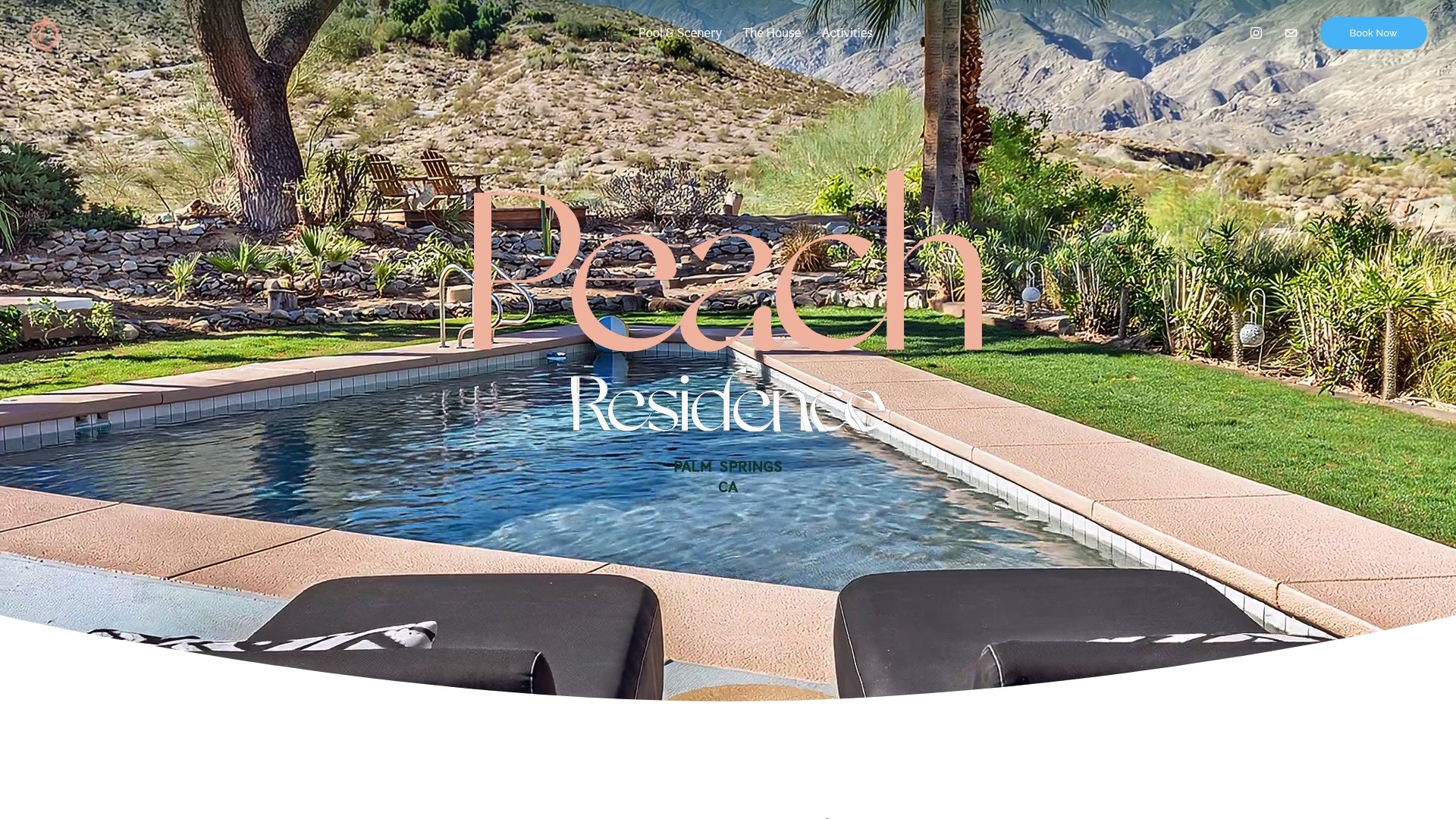
Peach-residence starts at $65 per person per night and accommodates up to eight guests. The property reflects exactly the kind of layered, market-fit amenity strategy this article describes: foundational comfort first, lifestyle features second, and zero wasted spend on features that do not serve the desert experience. Explore the full property details or browse available activities to see how the amenity mix translates into a stay worth booking. For hosts thinking about their own STR strategy, understanding how amenity presentation affects direct bookings is worth your time before your next listing update.
FAQ
What is the role of home amenities in property value?
Home amenities influence property value by affecting buyer engagement, sale speed, and price. Features like landscaping and garage door replacement carry the highest ROI, often recovering 93% to 200% of their cost according to Opendoor's analysis.
Which amenities matter most for renter retention?
Maintenance responsiveness and core in-unit features like reliable appliances, parking, and fast internet drive long-term retention more than community amenities. AppFolio's 2026 data shows maintenance satisfaction boosts renewal likelihood by 81%.
Do luxury amenities always increase home value?
No. Luxury finishes frequently produce diminishing returns above a mid-range investment level. Market fit, geographic context, and operational costs determine whether a premium amenity adds or destroys value.
How do amenities affect daily well-being at home?
A 2026 Journal of Happiness Studies research found that thermal, acoustic, lighting, hygiene, safety, and security dimensions collectively improve subjective well-being. Addressing all six produces stronger results than any single luxury upgrade.
What amenities should I prioritize for a vacation rental?
Start with safety systems, climate control, and acoustic comfort, then add outdoor living features suited to the local climate. For Palm Springs properties specifically, pools, shaded outdoor spaces, and high-quality bedding consistently drive positive guest reviews and repeat bookings.