

Rental lifestyle is defined as a deliberate housing strategy where people choose renting as a long-term preference, not a temporary fix, prioritizing flexibility, maintenance-free living, and community access over homeownership. What is rental lifestyle in practice? It means 60% of renters cite maintenance-free living as their primary reason for renting, and renter households now total 46 million across the United States. Renting is no longer a stepping stone. For millions of Americans, it is the destination.
What is a rental lifestyle, and who is choosing it?
The rental lifestyle is a housing philosophy built around choice, not circumstance. Renters who embrace it are not waiting to buy. They are actively selecting a way of living that trades fixed commitments for freedom of movement, time, and capital.
The demographic range is wider than most people expect. Millennials and Gen Z renters value mobility for careers and experiences. Retirees choose renting to shed property taxes, maintenance burdens, and the emotional weight of a large home. Renters aged 65+ increased by 30% between 2013 and 2023. That shift signals renting is becoming core household infrastructure, not a fallback position.

High-net-worth renters represent the most counterintuitive segment. High-net-worth renter households tripled between 2019 and 2023. These renters keep capital liquid in stocks and investments rather than locking it into home equity. For them, renting is a wealth management decision, not an affordability issue.
The motivations across all groups share a common thread:
- Mobility. Renters can relocate for jobs, relationships, or climate without the friction of selling a home.
- Maintenance freedom. No burst pipes, no roof repairs, no weekend projects that eat into personal time.
- Financial flexibility. No down payment, no property tax, no exposure to housing market volatility.
- Community access. Rental communities often provide amenities that would cost far more to own privately.
Pro Tip: If you are evaluating whether renting fits your life, start by calculating the true cost of homeownership in your target area, including taxes, insurance, maintenance, and opportunity cost on your down payment. The comparison often surprises people.
Renewals account for 57% of leasing activity in rental communities. That number tells you renters are not leaving. They are staying by choice.
What are the core benefits of rental living?
Maintenance-free living is the most cited rental living benefit, and it goes deeper than convenience. When a property management team handles repairs, renters reclaim time. A responsive in-house maintenance team that resolves 90–95% of requests internally creates an experience that rivals homeownership comfort without the stress. That level of service is what separates a well-run rental community from a basic lease arrangement.
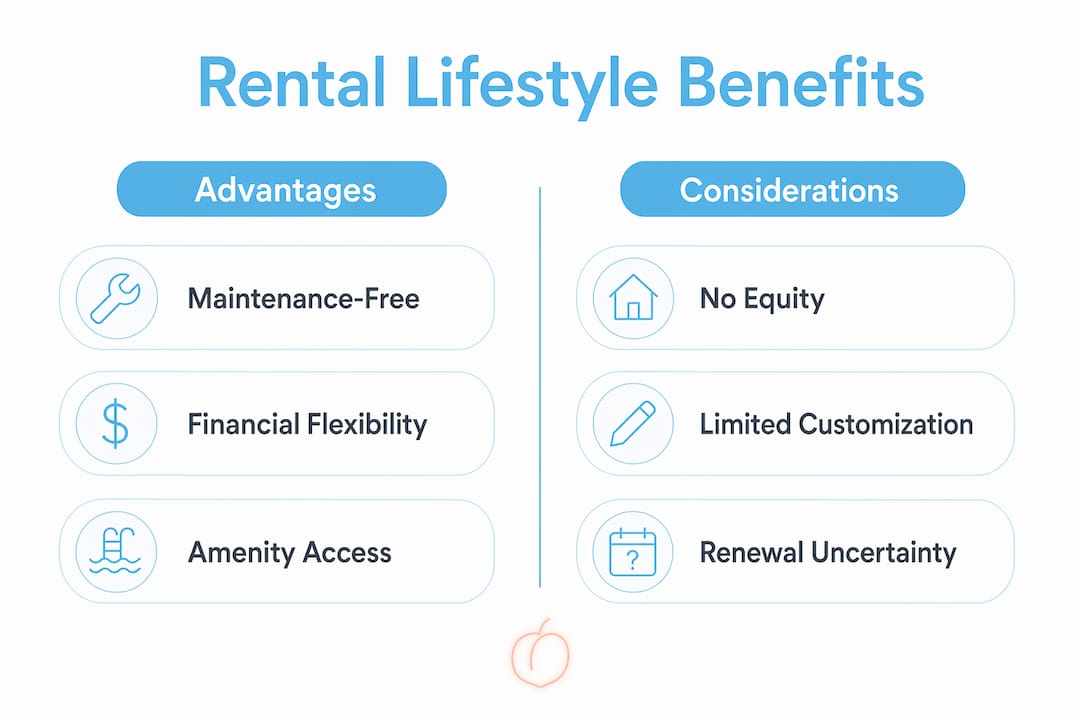
Amenity access is the second major advantage. Quality rental communities offer pools, fitness centers, communal outdoor spaces, and smart home technology built into the unit. Renters access these features without buying them, maintaining them, or paying property tax on them. The financial math favors renting when you factor in what equivalent amenities would cost to own.
The role of rental lifestyle in community building is underappreciated. Lifestyle renters effectively "rent the neighborhood," not just the unit. Proximity to cultural hubs, walkable retail, parks, and social infrastructure shapes daily quality of life more than square footage does. The best rental communities are chosen for their location as much as their floor plans.
Financial flexibility rounds out the core advantages:
- No down payment frees capital for investment or emergency reserves.
- No property tax removes a recurring fixed cost that grows over time.
- No market risk means renters are not exposed to home value drops.
- Lease flexibility allows life changes without a real estate transaction.
Pro Tip: When comparing a rental to a purchase, add up property taxes, homeowner's insurance, HOA fees, and an estimated 1–2% of home value annually for maintenance. That total often exceeds the rent premium renters pay for equivalent space.
Read the full breakdown of rental arrangement advantages to see how these benefits stack up across different rental types.
How do vacation rentals and long-term rentals differ?
Both vacation rentals and long-term residential renting share the core values of the rental lifestyle: no maintenance burden, amenity access, and freedom from ownership. The experience, however, differs in meaningful ways.
Vacation rentals focus on short-term stays, privacy, and unique experiences, while long-term rentals emphasize consistent service, community integration, and stability. Understanding that distinction helps renters choose the right format for their current life stage.
| Feature | Vacation rental | Long-term rental |
|---|---|---|
| Lease length | Days to weeks | Months to years |
| Primary appeal | Privacy, novelty, experience | Stability, community, service |
| Amenity focus | Curated for short stays | Built for daily living |
| Neighborhood integration | Minimal | Deep and ongoing |
| Maintenance responsibility | Handled by host | Handled by management team |
| Financial commitment | Pay-per-stay | Monthly lease, no ownership costs |
Hospitality-oriented vacation rentals increasingly borrow from long-term rental design. Properties with full kitchens, multiple bedrooms, outdoor living spaces, and dedicated workspaces appeal to renters who want the privacy of a home with the service of a hotel. This hybrid approach is reshaping how people think about flexible living arrangements across both short and extended stays.
The overlap matters for people who blend both formats. A remote worker might rent long-term in one city while using vacation rentals for monthly travel. Both experiences reinforce the same core value: living well without owning the property.
What should you consider when choosing a rental lifestyle community?
Choosing a rental community is not just picking an apartment. It is selecting the infrastructure of your daily life. These five factors separate a rental that works from one that frustrates.
-
Location relative to your life. The best unit in the wrong location fails every time. Proximity to work, transit, restaurants, and outdoor spaces determines how much you actually enjoy where you live. Lifestyle renters prioritize neighborhoods with vibrant amenities over units with extra square footage.
-
Service quality and maintenance responsiveness. Ask how maintenance requests are handled and how quickly. A community management team that resolves issues in-house delivers a fundamentally different experience than one that outsources every repair. Response time is a direct measure of how much the management team values your time.
-
Amenities that match your actual habits. A pool you will use three times a year is not a benefit. Evaluate amenities against your real daily routine. Outdoor spaces, smart home features, and communal areas add genuine value when they fit how you live. The role of home amenities in daily satisfaction is measurable and worth researching before you sign.
-
Lease flexibility and multi-location options. Rental-as-a-Service models now allow renters to access multi-metro rental portfolios with consistent service levels across cities. For remote workers and frequent movers, this model removes the friction of starting over in each new market.
-
Financial fit within your broader strategy. Renting should align with how you manage capital overall. High-net-worth renters keep home equity capital in liquid investments. Younger renters preserve cash for career pivots. Retirees eliminate property tax burdens and simplify daily life. Know which financial benefit matters most to you before you commit.
Key Takeaways
Rental lifestyle is a deliberate, long-term housing strategy that delivers maintenance-free living, financial flexibility, and community access without the fixed commitments of homeownership.
| Point | Details |
|---|---|
| Defined as a strategy | Rental lifestyle is a conscious choice, not a fallback, prioritizing flexibility over ownership. |
| Broad demographic appeal | Millennials, retirees, and high-net-worth renters all choose renting for different but equally valid reasons. |
| Maintenance-free living leads | 60% of renters cite freedom from maintenance as their primary reason for staying in rentals. |
| Location drives satisfaction | Lifestyle renters choose neighborhoods and community infrastructure as much as the unit itself. |
| Two formats, one philosophy | Vacation and long-term rentals share core rental lifestyle values but serve different life stages and needs. |
Why I think renting deserves more respect than it gets
The conventional narrative still treats renting as something you do until you can afford to buy. That framing is outdated, and the data proves it. When high-net-worth households triple their presence in the rental market over four years, that is not a housing affordability story. That is a lifestyle preference story.
What I find most interesting is how renting reframes the relationship between housing and identity. Homeownership carries a cultural weight in America that has little to do with financial logic. Renting, by contrast, keeps your options open. You can follow a job, a relationship, a climate preference, or simply a better neighborhood without a real estate transaction standing in your way.
The projected growth to 10 million more renter households by 2035 tells me this is not a trend. It is a structural shift. Rental-as-a-Service models, multi-city lease portfolios, and hospitality-grade management teams are building an infrastructure that makes renting genuinely competitive with ownership on quality of life. The gap is closing fast.
My advice: stop treating your housing decision as a referendum on your financial success. Treat it as a tool. Renting is the right tool for more people, in more life stages, than most financial advisors will tell you.
— Rasmus
Peach-residence: rental lifestyle in the Palm Springs desert
Peach-residence delivers the rental lifestyle at its most deliberate. Four bedrooms, mountain views with no city noise, and a cul-de-sac location that gives you privacy without isolation. The property was fully updated in 2025 and sleeps up to 8 people, starting at $65 per person per night.
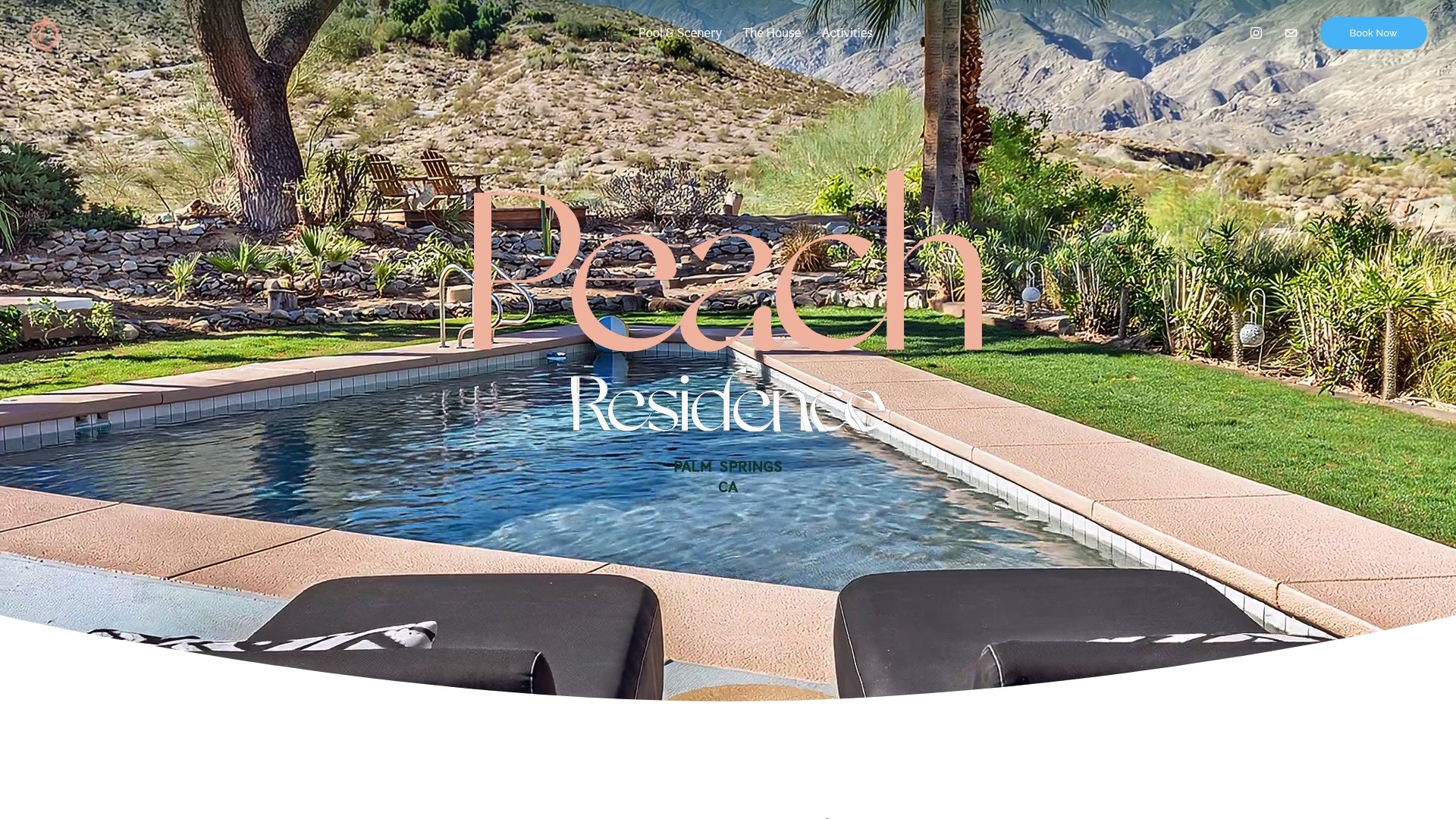
The indoor/outdoor Palm Springs design means doors open to desert air, a pool, and wide-open skies. No maintenance calls, no property taxes, no neighbor drama. Just the experience. Peach-residence also connects guests to curated local activities that turn a stay into a full lifestyle moment. If you want to feel what rental living done right actually looks like, Peach-residence Palm Springs is the place to start.
FAQ
What is the rental lifestyle, exactly?
Rental lifestyle is a deliberate housing strategy where people choose renting long-term for flexibility, maintenance-free living, and community access rather than as a step toward buying a home.
Is renting a good option for high earners?
Yes. High-net-worth renter households tripled between 2019 and 2023, with many choosing renting to keep capital liquid in investments rather than tied up in home equity.
What are the main advantages of renting over owning?
The core advantages include no maintenance responsibility, no property tax, no exposure to housing market risk, and the freedom to relocate without a real estate transaction.
How does vacation rental living differ from long-term renting?
Vacation rentals prioritize short-term privacy and unique experiences, while long-term rentals focus on consistent service, community integration, and daily-life amenities. Both share the maintenance-free core of the rental lifestyle.
How do I know if a rental community is worth it?
Evaluate location relative to your daily needs, maintenance responsiveness, amenity fit with your actual habits, lease flexibility, and how renting aligns with your broader financial strategy.