
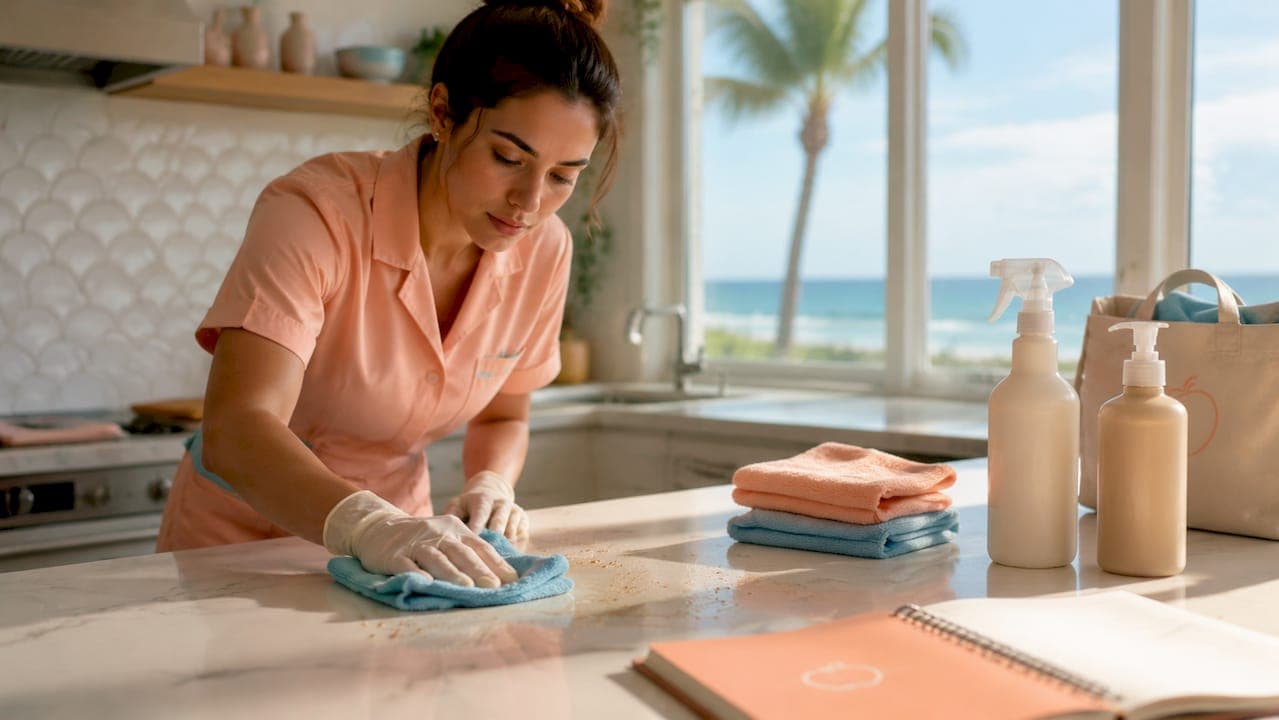
Vacation home hygiene is the systematic process of cleaning, disinfecting, and maintaining a rental property to protect guest safety and satisfaction between every stay. The industry term for this practice is "rental property sanitation," and it covers far more than visible tidiness. What is vacation home hygiene, exactly? It is the full set of turnover cleaning, periodic deep cleaning, water system management, and documented protocols that prevent pathogen transmission, reduce guest complaints, and protect your property's long-term value. Standards from the CDC, operational guides from RapidEye Inspections, and best practices from AirROI all confirm that hygiene failures are the leading driver of negative reviews and repeat booking loss.
What are the essential components of vacation home hygiene?
Vacation home hygiene includes cleaning, sanitizing, turnover practices, laundry, damage checks, restocking, and water system maintenance to reduce pathogens like Legionella. That definition matters because most property managers treat cleaning and sanitizing as the same task. They are not.
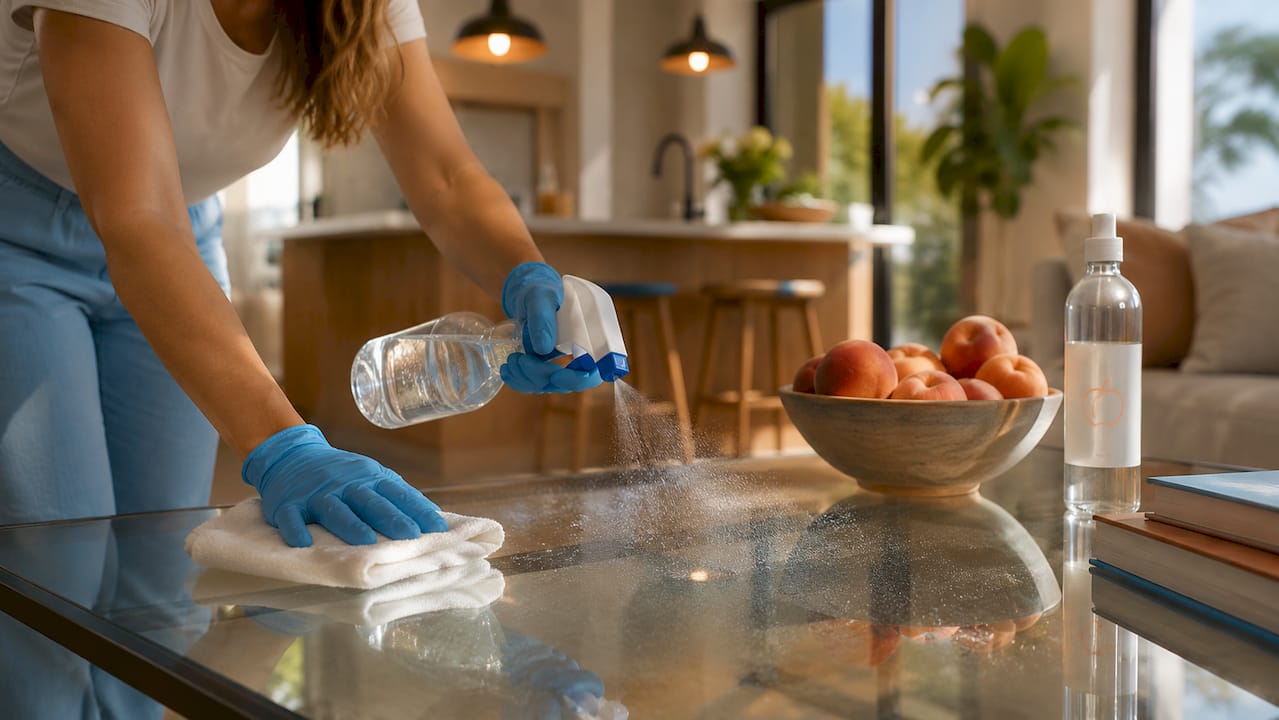
A visually clean surface can still harbor viruses and bacteria. Sanitizing kills pathogens that cleaning alone does not, which is why EPA-registered disinfectants with documented dwell times are non-negotiable in any serious hygiene protocol. Guests cannot see pathogens, so the burden of proof falls entirely on you.
The core components break down into three tiers:
Turnover cleaning (between every guest stay):
- Replace all bed linens and towels with freshly laundered sets
- Disinfect high-touch surfaces: door handles, light switches, remote controls, countertops
- Restock consumables: toilet paper, soap, paper towels, coffee supplies
- Inspect for damage and document with photos before the next check-in
- Empty all trash and reset the property to its listed condition
Deep cleaning (periodic, every 4–8 weeks depending on booking volume):
- Scrub grout lines, clean inside cabinets and behind appliances
- Replace HVAC filters and clean vents
- Descale showerheads and faucet aerators
- Wash curtains, clean window tracks, and wipe baseboards
- Inspect mattresses, pillows, and upholstery for stains or odors
Water system management (ongoing):
- Set water heater temperature and flush unused fixtures before check-in
- Maintain hot tub disinfectant levels and pH within safe ranges
- Document all water system checks in your hygiene log
Pro Tip: Always use EPA-registered disinfectants and note the product name, concentration, and contact time in your cleaning log. This documentation protects you in the event of a guest illness complaint.
How do turnover cleaning and deep cleaning differ?
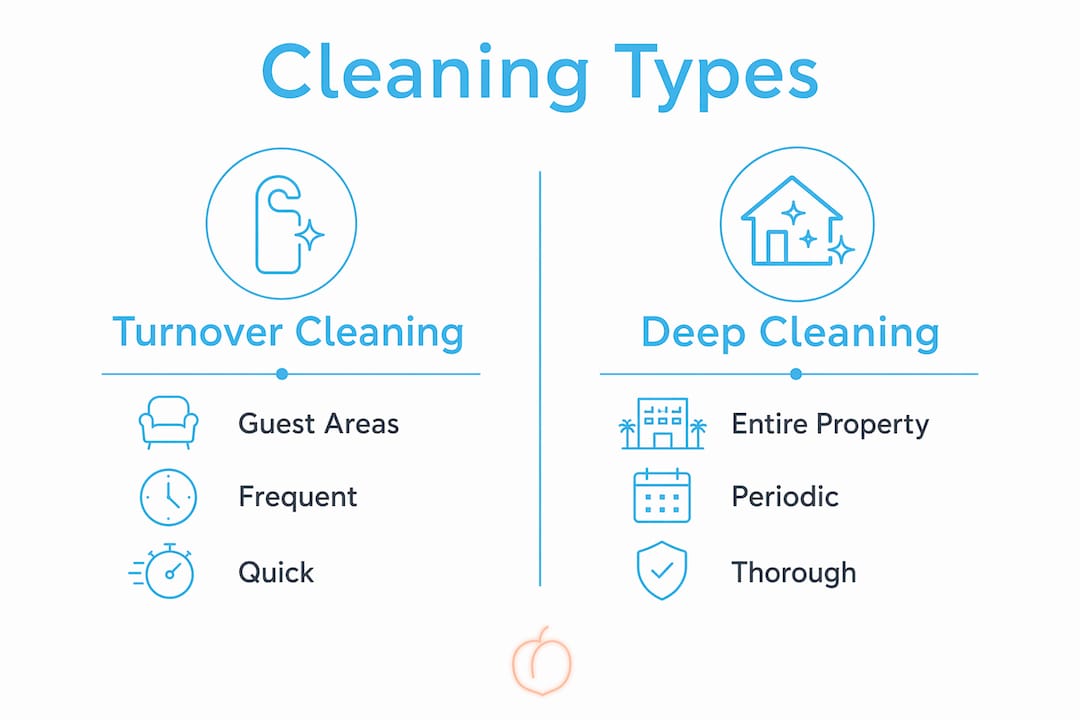
Turnover cleaning takes 45–210 minutes and focuses on guest-facing areas: bathrooms, kitchen surfaces, bedrooms, and living spaces. Deep cleaning is periodic, comprehensive, and runs 3–8 hours, covering every area a turnover skips. Both are required. Neither replaces the other.
The table below shows the operational difference clearly:
| Factor | Turnover cleaning | Deep cleaning |
|---|---|---|
| Frequency | After every guest stay | Every 4–8 weeks |
| Duration | 45–210 minutes | 3–8 hours |
| Scope | Guest-facing surfaces, linens, restocking | Hidden areas, appliances, HVAC, grout |
| Goal | Guest-ready condition | Property longevity and deep sanitation |
| Staff required | 1–2 cleaners | 2–4 cleaners or specialist team |
Neglecting deep cleaning causes slow property degradation and guest dissatisfaction. Odors build up inside HVAC systems. Grout turns gray. Cabinet interiors accumulate grease. Guests notice these details even when they cannot name them, and the result shows up in review scores.
Budgeting time for both cleaning types is critical. Insufficient time leads to hygiene drift, meaning standards slip gradually until a bad review forces a reset. Schedule deep cleans proactively, not reactively.
Pro Tip: Block a deep clean day on your calendar at the start of each month. Treat it like a confirmed booking you cannot cancel. Properties that do this consistently earn higher average review scores than those that clean reactively.
What water safety practices are essential for vacation home hygiene?
Water system hygiene is the most overlooked component of vacation rental cleanliness. Most property managers focus on surfaces. The CDC focuses on water. Both are right, but water carries the higher health risk.
Stagnant water in unused fixtures promotes Legionella growth. Warm, stagnant water with low disinfectant levels creates ideal conditions for biofilm formation. Guests inhale aerosolized water droplets from showers and hot tubs, which is the primary transmission route for Legionnaires' disease.
Follow these CDC-recommended steps before every check-in:
- Set your water heater at or above 120°F. The CDC recommends 130–140°F with a mixing valve or safety valve to prevent scalding at the tap.
- Flush every faucet and showerhead that has been unused for more than one week. Run cold water for two minutes, then hot water for two minutes.
- Clean and descale showerheads regularly. Mineral deposits trap bacteria and reduce flushing effectiveness.
- For hot tubs, maintain bromine at 4–8 ppm or free chlorine at 3–10 ppm, and keep pH between 7.2 and 7.8.
- Replace hot tub filters on the manufacturer's recommended schedule. A clogged filter cannot maintain proper disinfectant circulation.
- Log every water system check with the date, temperature reading, and disinfectant level. This log is your legal protection and your quality record.
Key water safety reminders:
- Never skip the pre-arrival flush after a gap in bookings, even a short one
- Check the water heater temperature setting at least once per quarter
- Treat your desert vacation water safety practices as a non-negotiable part of your check-in protocol, not an optional maintenance task
Water-system management belongs inside your standard hygiene SOP, not in a separate maintenance category. The risk is too significant to treat it as optional.
How to prioritize cleaning workflows during fast turnovers
Same-day turnovers are the hardest operational challenge in vacation rental cleanliness. You have a fixed window, a long checklist, and no room for error. Prioritization is the skill that separates professional managers from reactive ones.
Bathrooms come first. They are the primary source of guest complaints and the highest-risk area for pathogen transmission. Scrub toilets, disinfect sinks and counters, clean the shower or tub, replace towels, and restock supplies before moving to any other room.
The recommended priority order for tight turnovers:
- Bathrooms: Full disinfection, fresh towels, restocked supplies
- Kitchen: Disinfect counters, clean appliances, check for leftover food, restock basics
- Bedrooms: Fresh linens are non-negotiable; wipe nightstands and high-touch surfaces
- Living areas: Quick surface pass, fluff cushions, remove any guest items left behind
- Outdoor spaces: Clear debris, wipe furniture, check for damage
Defer tasks like cleaning inside the oven or wiping window tracks to your next scheduled deep clean. Do not skip them permanently. Deferral is a scheduling decision. Skipping is a hygiene failure.
Standardized checklists and photo documentation are the two tools that prevent hygiene drift during fast turnovers. A structured turnover workflow reduces the chance of missed tasks and gives you a record to review when a guest raises a concern. Consider professional cleaning services for properties with high booking volume. Consistency is harder to maintain when you are managing multiple turnovers per week without dedicated staff.
Pro Tip: Take timestamped photos of every room after cleaning is complete. These photos protect you against false damage claims and give you a visual quality record to review with your cleaning team.
What are best practices for documenting vacation home hygiene?
SOP-style checklists with photo documentation are the industry standard for maintaining consistency and quality in vacation rental hygiene. Documentation is not bureaucracy. It is your quality control system.
Build your documentation around these five steps:
- Create separate checklists for turnover cleaning and deep cleaning. Each checklist should list every task, the product used, and the expected standard.
- Record EPA product names, concentrations, and dwell times for every disinfectant in your protocol. This is your evidence of proper sanitization.
- Take before-and-after photos for every turnover. Store them by date and property for easy retrieval.
- Train cleaning staff on the checklist before their first solo turnover. Walk through the property together and confirm every task is understood.
- Review guest feedback after every stay. Guest reviews identify hygiene gaps that your internal checklists may miss. A pattern of comments about a specific area signals a process failure, not a one-time oversight.
Documentation also protects you legally. If a guest claims illness or injury related to property conditions, your cleaning logs and photos are your first line of defense. Properties that operate without documentation have no way to prove their standards. That is a liability no property manager should accept.
Key Takeaways
Vacation home hygiene requires turnover cleaning, periodic deep cleaning, water system management, and documented protocols working together to protect guest safety and property value.
| Point | Details |
|---|---|
| Sanitizing is not optional | EPA-registered disinfectants kill pathogens that cleaning alone misses; use them every turnover. |
| Water systems carry hidden risk | Flush unused fixtures before every check-in and maintain water heater temperature above 120°F. |
| Deep cleaning prevents drift | Schedule deep cleans every 4–8 weeks to address areas turnovers cannot cover. |
| Bathrooms come first | Prioritize bathrooms in tight turnover windows; they drive the most guest complaints. |
| Documentation is your defense | SOP checklists and timestamped photos protect you legally and maintain quality over time. |
Why hygiene is the foundation, not the finish line
I have seen property managers spend thousands on furniture upgrades and photography while their cleaning protocols were running on a mental checklist and good intentions. The result is always the same: a beautiful-looking listing with a three-star review mentioning "not as clean as expected."
The uncomfortable truth about vacation rental cleanliness is that guests grade hygiene harder than they grade decor. A stunning view forgives a lot, but a hair on the bathroom counter does not get forgiven. I have watched properties with modest interiors consistently outscore design-forward competitors on review platforms, purely because their cleaning systems were tighter.
Water system hygiene is the blind spot I see most often. Property managers who are meticulous about surfaces have never once flushed their showerheads or checked their water heater temperature. The CDC's Legionella guidelines exist because this is a real, documented risk in short-term rentals. It is not a theoretical concern. Treating water safety as a maintenance task rather than a hygiene task is how properties end up in serious trouble.
The managers who protect their revenue long-term are the ones who treat hygiene as a system, not a checklist. They schedule deep cleans before problems appear. They document everything. They read their reviews looking for patterns, not validation. Hygiene is not the finish line after a good turnover. It is the foundation that makes every other investment in your property worth something.
— Rasmus
Peach-residence and the standard guests actually expect
Hygiene is not a background detail at Peach-residence. It is built into every turnover before guests arrive at this Palm Springs property with mountain views and room for eight.
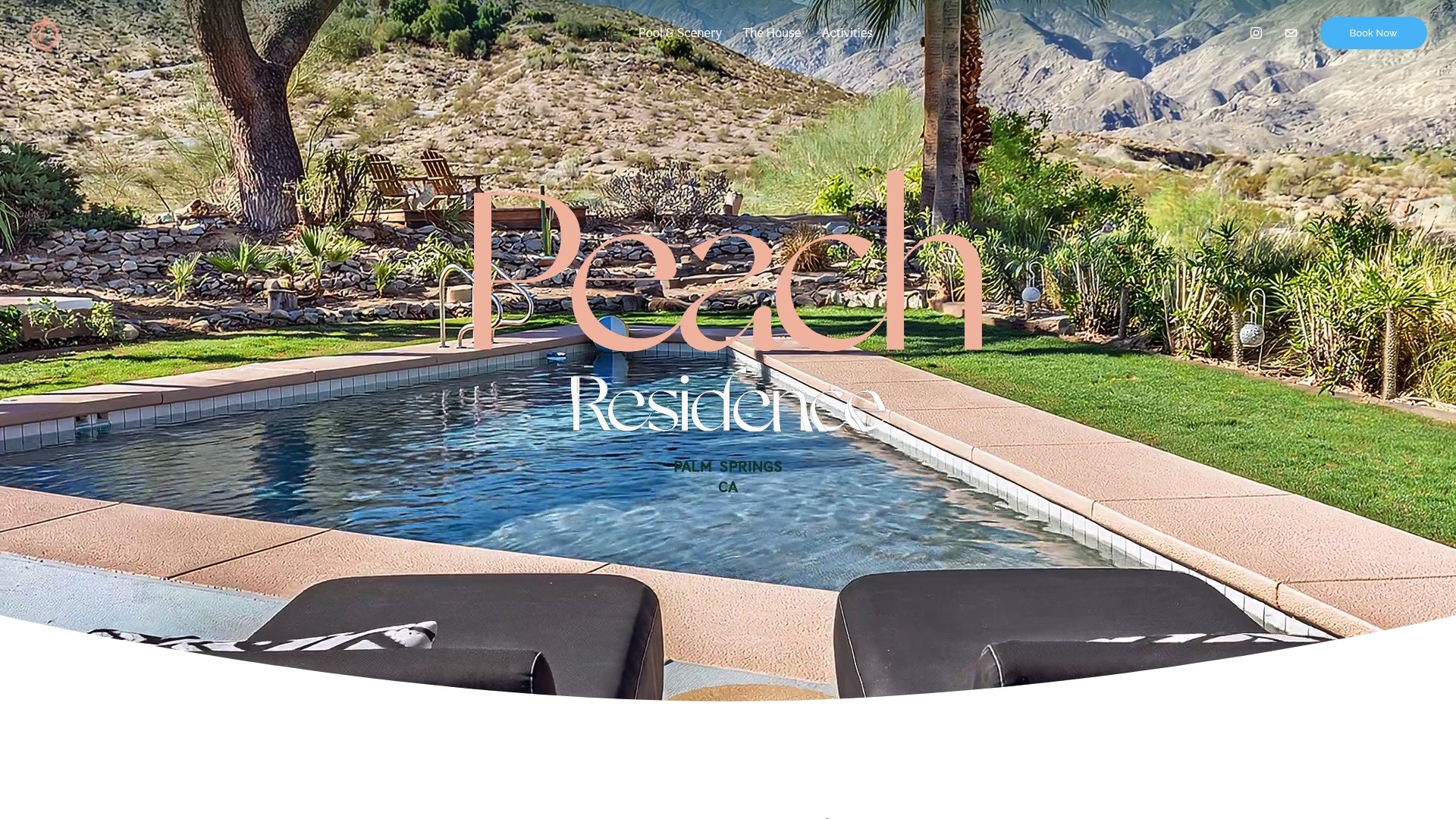
Peach-residence follows documented cleaning protocols across all four bedrooms, with fresh linens, disinfected surfaces, and restocked supplies ready before every check-in. The property's 2025 update included improvements that make maintaining vacation rental cleanliness easier and more consistent between stays. If you want to see what a properly maintained desert retreat looks like in practice, check out the full range of activities and amenities available at Peach-residence. Starting at $65 per person per night, the standard is set before you even unpack.
FAQ
What is vacation home hygiene?
Vacation home hygiene is the full set of cleaning, sanitizing, and maintenance practices applied between guest stays to protect health and property condition. It includes turnover cleaning, periodic deep cleaning, and water system management.
How often should a vacation rental be deep cleaned?
Deep cleaning should be scheduled every 4–8 weeks, depending on booking volume. Turnover cleaning alone cannot address hidden grime, HVAC filters, or grout buildup over time.
What disinfectants should I use in a vacation rental?
Use EPA-registered disinfectants and follow the label's recommended dwell time for each surface. Document the product name and concentration in your cleaning log for every turnover.
How do I reduce Legionella risk in my vacation rental?
Set your water heater at or above 120°F and flush all faucets and showerheads unused for more than one week before guest arrival. For hot tubs, maintain bromine at 4–8 ppm and pH between 7.2 and 7.8, per CDC guidelines.
Why do bathrooms get cleaned first during a turnover?
Bathrooms are the top source of guest complaints and the highest-risk area for pathogen transmission. Cleaning them first in a tight turnover window protects guest health and addresses the most review-sensitive area of the property.