
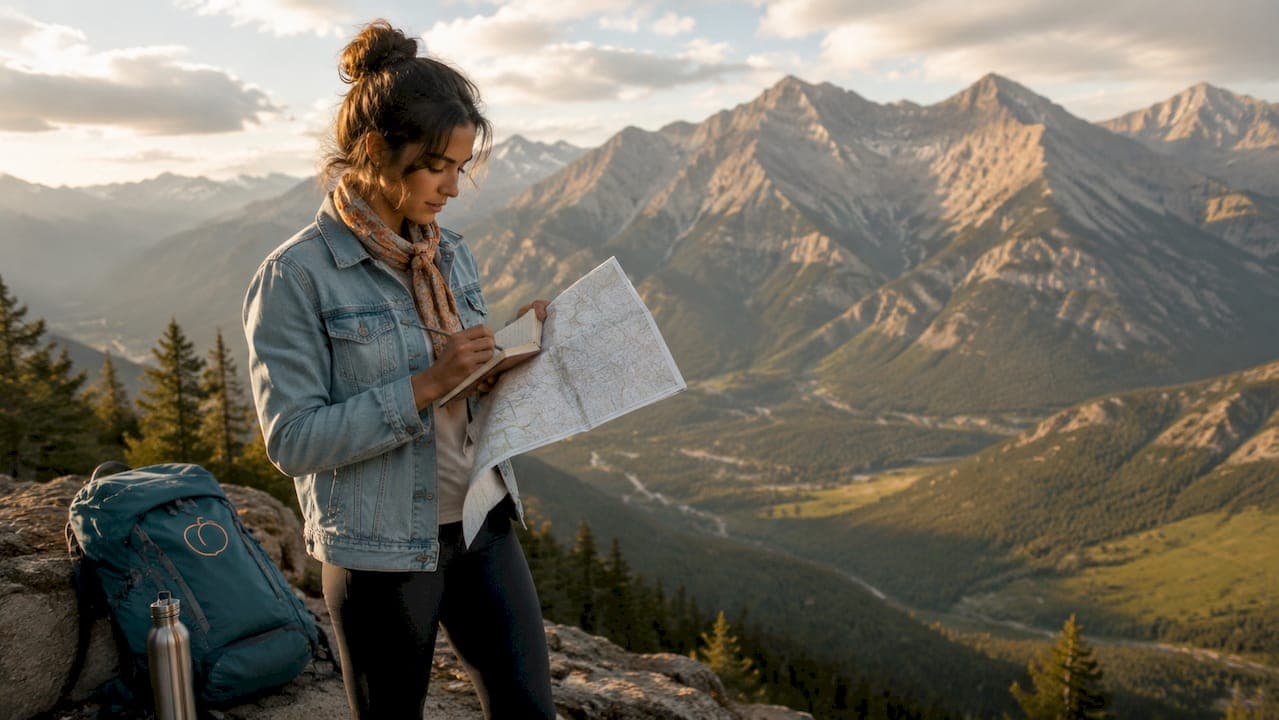
A scenic views vacation is defined by one thing: choosing a destination where the natural landscape is the main event, not an afterthought. This guide to scenic views vacations covers everything you need to plan a trip built around breathtaking vistas, from picking the right destination type to managing parking permits at America's most popular viewpoints. Whether you are drawn to the desert drama of Palm Springs, the alpine grandeur of Glacier National Park, or the coastal cliffs of Spain's Picos de Europa, the difference between a good trip and an unforgettable one comes down to intentional planning. The right timing, the right itinerary structure, and knowing the logistics in advance turn a beautiful place into a life-changing experience.
What makes a great guide to scenic views vacations
The travel industry uses the term "landscape tourism" to describe trips organized around natural scenery as the primary draw. Most travelers simply call it what it is: going somewhere for the views. The best scenic vacation spots share three qualities. They offer a signature vista that justifies the trip. They have supporting infrastructure like trails, viewpoints, or cable cars. And they reward visitors who show up at the right time.
Scenic vacations fall into five destination types: mountains, lakes, coastlines, forests, and deserts. Each type delivers a different visual rhythm and demands a different pace. Mountains reward early risers with alpenglow and clear skies before afternoon clouds build. Lakes offer mirror-flat reflections at dawn and golden light at dusk. Deserts, like the area surrounding Palm Springs, deliver unfiltered sky drama with no light pollution and wide-open horizons that city travelers rarely experience.
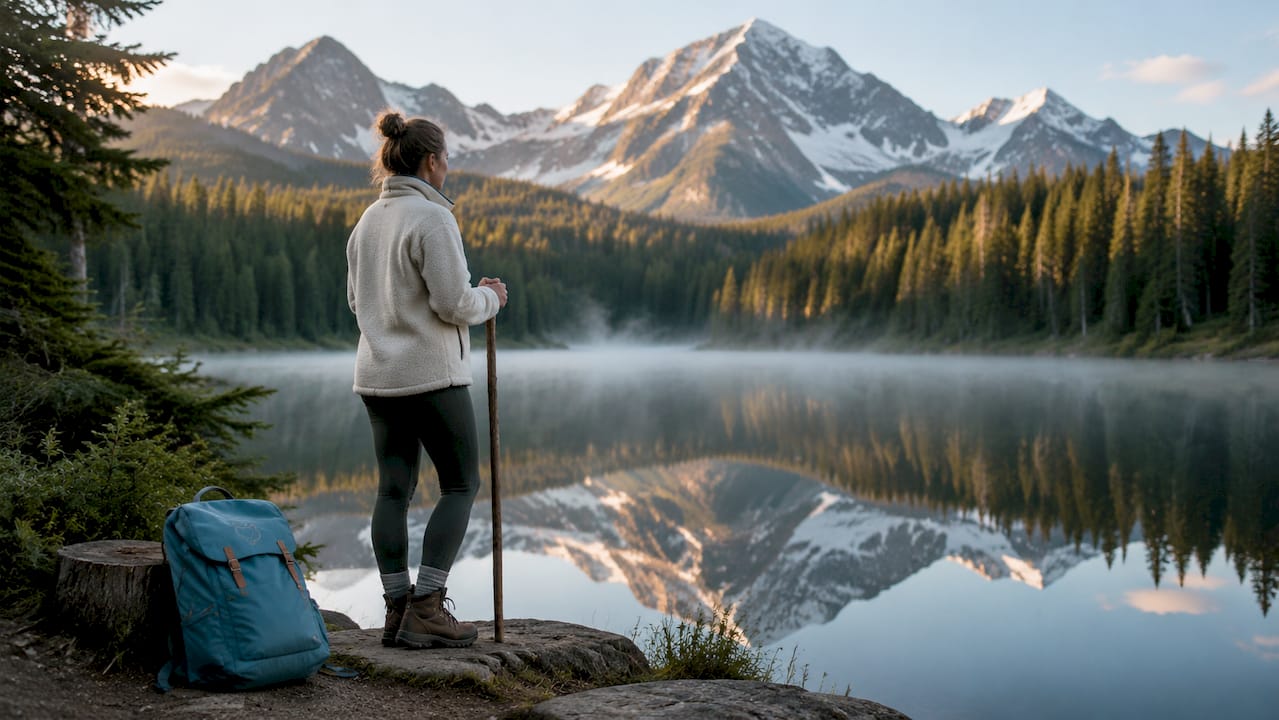
Pro Tip: Before booking, identify which type of scenery genuinely excites you. A lake person and a mountain person will have very different reactions to the same destination.
How do you choose the best scenic vacation destinations?
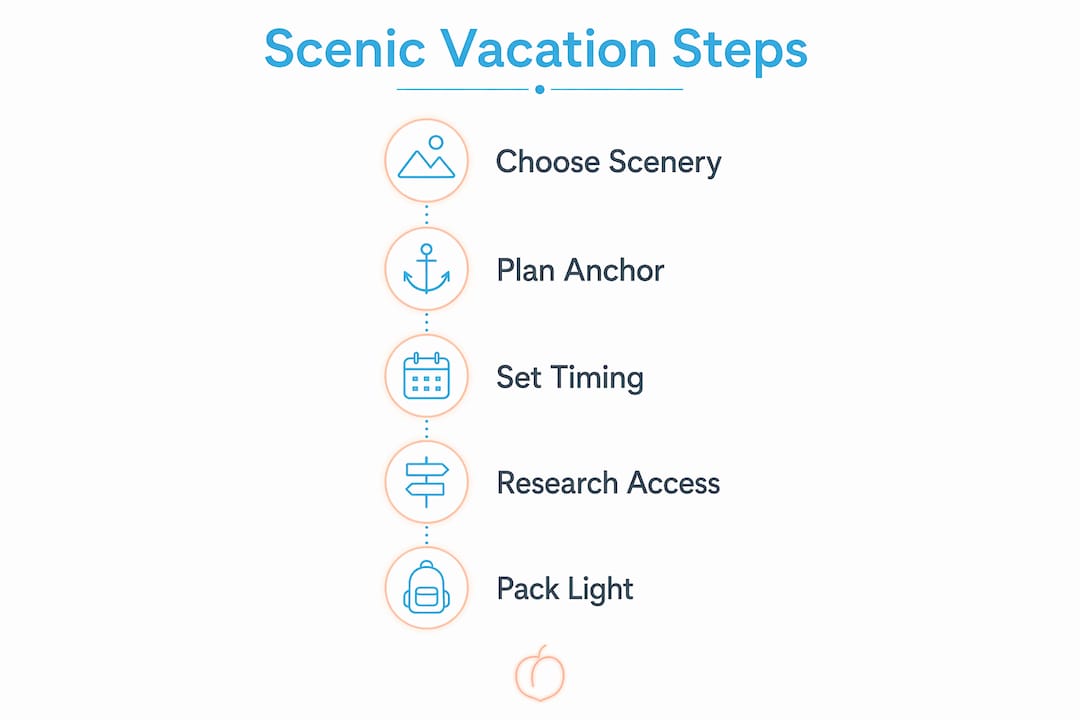
Matching destination to traveler is the single most important decision in planning a scenic trip. Three factors drive that match: the type of scenery, the physical effort required to reach the best views, and the season.
Here are four of the top scenic travel destinations worth building a trip around in 2026:
- Lake Tahoe, California/Nevada: Summer is the top season for hiking, biking, and water sports, with the lake's turquoise water set against granite peaks. The official visitor guide promotes "Rules to Lake By," a responsible tourism framework that keeps the environment intact for future visitors.
- Picos de Europa, Spain: This mountain range offers some of Europe's most dramatic scenery. The Fuente Dé cable car lifts visitors over 750 meters in minutes, delivering panoramic views without a strenuous hike. Spring and early autumn are the best seasons. Summers are clearer but significantly more crowded.
- Mount Baker Scenic Drive, Washington: This 58-mile route from Bellingham to Artist Point is one of the best scenic road trip ideas in the Pacific Northwest. The final stretch to Artist Point is seasonal and snowpack-dependent, so late July through September is the reliable window.
- Palm Springs, California: The Coachella Valley delivers desert scenery that most travelers underestimate. Wide-open skies, mountain silhouettes, and zero light pollution create a visual experience that is genuinely different from green landscapes.
For travelers who want mountain views without the altitude, desert mountain settings offer the same dramatic scale with warmer temperatures and more accessible terrain.
When is the best time to visit scenic vacation spots?
Timing is the variable most travelers get wrong. Picking the right season determines whether you see a destination at its peak or miss it entirely.
- Match your season to the scenery type. Snowcapped peaks photograph best in late spring when snow still clings to ridgelines but roads are open. Fall foliage peaks in October across the northeastern United States and in September at higher elevations. Desert wildflower blooms in the Coachella Valley typically run from february through april.
- Plan around sunrise and sunset. Designing trips around sunrise or sunset delivers maximum visual impact and thinner crowds. The golden hour before sunset is when most landscape photographers shoot, and for good reason. Light is warm, shadows are long, and colors saturate naturally.
- Check road and trail access before you book. The Artist Point road at Mount Baker is blocked by snowpack for most of the year. Booking a trip in june without confirming access means arriving to a closed gate.
- Understand permit and timed-entry windows. Multnomah Falls in Oregon requires advance permits for one specific parking lot between 9 a.m. and 6 p.m. from may 22 through september 7, 2026. Outside those hours and at other lots, access is free. Knowing this detail saves both money and frustration.
"Scenic-view vacations work best with flexible schedules anchored around single scenic highlights rather than tightly packed itineraries." — Scenic Weekend Getaways Planning
How do you plan a scenic vacation itinerary that actually works?
The most common itinerary mistake is trying to see too much. Vacation spots with stunning landscapes reward slow attention, not rapid movement between viewpoints.
The one anchor moment framework
Every great scenic trip is built around one anchor moment: a single highlight experience that justifies the trip. Everything else supports it. That anchor might be a sunrise hike to a summit, a sunset drive along a coastal road, or a morning on a lake with no other boats in sight. Once you identify your anchor, you schedule backward from it.
Two-day vs. three-day scenic itinerary
| Format | Structure | Best For |
|---|---|---|
| Two-day trip | Day 1: travel and settle in, evening anchor moment. Day 2: morning activity, depart by noon. | Weekend escapes close to home |
| Three-day trip | Day 1: arrive and explore lightly. Day 2: full anchor experience plus backup activity. Day 3: leisure morning, depart. | Destinations requiring longer drives or flights |
The three-day format gives you a buffer day. If weather cancels your anchor moment on day two, day three becomes your second chance. That flexibility is the difference between a ruined trip and a great story.
Pro Tip: Book accommodations that do not require a nightly move. Changing hotels mid-trip breaks the relaxed rhythm that scenic vacations depend on.
Additional planning points worth building into any scenic itinerary:
- Identify one backup viewpoint or activity for each anchor moment in case of weather or closures.
- Include at least one low-effort afternoon, a café stop, a spa visit, or a slow lakeside lunch, to balance active days.
- Buy travel insurance covering evacuation for remote scenic destinations. Coverage typically adds 4–10% to trip cost, and the minimum recommended medical coverage for international trips is $100,000. Credit card travel insurance rarely meets that threshold.
What should you expect at popular scenic viewpoints?
Access logistics at famous viewpoints are more complex than most travel blogs admit. Understanding them in advance prevents the most common trip failures.
| Destination | Key Logistics | Best Strategy |
|---|---|---|
| Glacier National Park, Going-to-the-Sun Road | Logan Pass parking fills between 9:30 a.m. and 4 p.m. in peak season; shuttle requires reservation | Arrive before 9 a.m. or after 4 p.m. |
| Multnomah Falls, Oregon | Permit required for main lot, 9 a.m.–6 p.m., may 22–september 7, 2026; book via Recreation.gov | Book permit weeks in advance |
| Mount Baker, Artist Point | Seasonal road closure; snowpack determines opening date, typically late July | Confirm road status within one week of travel |
| Lake Tahoe | No permit required; summer crowds peak on weekends | Visit on weekdays; follow "Rules to Lake By" guidelines |
The pattern across all four destinations is the same: early arrival solves most problems. Parking fills, shuttles book out, and crowds peak between 10 a.m. and 3 p.m. at virtually every popular viewpoint in the United States. Arriving at or before opening time is the single most effective tactic for how to find beautiful views on vacation without the frustration.
For travelers researching scenic views in secluded settings, less-trafficked destinations often deliver equal visual impact with none of the permit complexity.
Key takeaways
The most effective scenic views vacation combines one anchor moment, precise seasonal timing, and advance knowledge of site-specific access rules.
| Point | Details |
|---|---|
| Choose destination by scenery type | Match mountains, lakes, deserts, or coastlines to your personal pace and physical preference. |
| Time your visit precisely | Arrive in the correct season and plan your anchor moment around sunrise or sunset for best light. |
| Know the access rules in advance | Check permits, parking caps, and road openings weeks before travel, not the morning you arrive. |
| Build in flexibility | A three-day format with one backup activity prevents weather or closures from ruining the trip. |
| Get real travel insurance | Credit card coverage rarely meets the $100,000 medical minimum recommended for remote scenic destinations. |
What i have learned designing scenic trips from scratch
By Rasmus
Most travelers treat scenic vacations the way they treat city trips: pack in as many stops as possible and call it a success. That approach works in Paris. It fails completely in Glacier National Park or the Picos de Europa.
The trips I remember most clearly are the ones where I committed to one view and waited for it. I once spent an entire afternoon at a single overlook in the Coachella Valley waiting for the light to shift. Nothing else on the itinerary mattered that day. That patience produced the kind of visual memory that no amount of rapid sightseeing can replicate.
The other thing I have learned is that logistics are not boring. They are the difference between seeing the thing and missing it. Knowing that Logan Pass parking fills by 9:30 a.m. is not a minor detail. It is the entire trip. Travelers who treat access rules as fine print end up sitting in traffic while the light they came for disappears.
My honest recommendation: talk to a local ranger or visitor center staff member within 48 hours of your arrival. They know what opened yesterday, what closed this morning, and where the crowds are not going. No travel blog, including this one, can match that real-time intelligence.
Responsible tourism matters here too. Destinations like Lake Tahoe and Multnomah Falls are under genuine environmental pressure from visitor volume. Staying on marked trails, following permit rules, and leaving no trace are not optional courtesies. They are what keeps these places worth visiting.
— Rasmus
Plan your scenic getaway at Peach-residence
If you want vacation spots with stunning landscapes and zero compromise on comfort, Peach-residence in Palm Springs delivers both. The property sits at the end of a cul-de-sac with mountain views that run uninterrupted from every room. No city lights. No noise. Just wide-open desert sky and the kind of stillness that resets your nervous system in 24 hours.
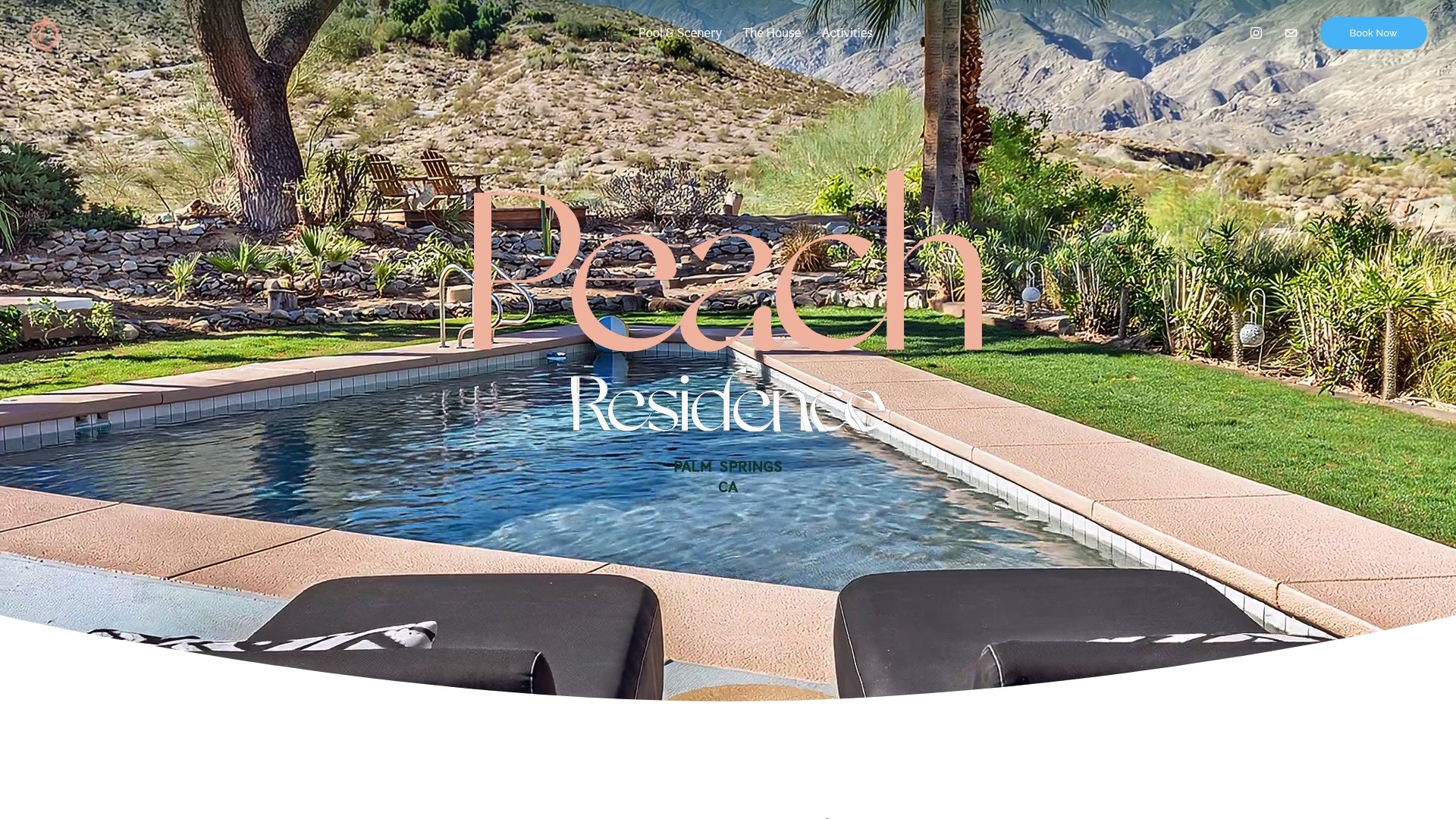
Four bedrooms sleep up to 8 people, starting at $65 per person per night. The indoor/outdoor design means the views follow you from the living room to the pool deck. Explore the full Palm Springs activities available nearby, from Joshua Tree day trips to aerial tramway rides up the San Jacinto Mountains. When you are ready to book, see the house and check availability for your dates.
FAQ
What is a scenic views vacation?
A scenic views vacation is a trip planned specifically around natural landscapes and memorable vistas as the primary experience. Destinations are chosen for their visual impact, whether mountains, lakes, deserts, or coastlines.
What are the best scenic vacation spots in the US?
Lake Tahoe in California/Nevada, Glacier National Park in Montana, and the Mount Baker Scenic Drive in Washington rank among the top scenic travel destinations in the United States. Each offers distinct landscape types and seasonal access windows.
How do i find beautiful views without large crowds?
Arrive at viewpoints before 9 a.m. or after 4 p.m., visit on weekdays rather than weekends, and research less-trafficked alternatives near major parks. Secluded scenic escapes often match the visual quality of famous sites with a fraction of the foot traffic.
Do i need permits for popular scenic viewpoints?
Many top viewpoints now require advance permits or timed-entry reservations. Multnomah Falls requires a parking permit via Recreation.gov during peak daytime hours from may through september. Glacier National Park's shuttle system also requires reservations during peak season.
Is travel insurance necessary for scenic vacations?
Travel insurance is strongly recommended for any scenic trip involving remote terrain. Coverage adds 4–10% to trip cost and should include at least $100,000 in emergency medical coverage. Standard credit card travel benefits rarely provide sufficient protection for wilderness or international destinations.