

A Los Angeles weekend without a plan is a recipe for sitting in traffic between two attractions that are 45 minutes apart. Planning your LA weekend is the single most effective way to turn a chaotic two-day sprint into a genuinely memorable trip. LA spans over 500 square miles of distinct neighborhoods, and the gap between a great visit and a frustrating one almost always comes down to preparation. This guide gives you the framework to plan smart, move efficiently, and actually enjoy the city.
Why does Los Angeles' geography make weekend planning essential?
Los Angeles is not a city you can wing. It is a collection of distinct urban villages spread across a massive footprint, and grouping activities geographically is the single most important thing you can do before you arrive.
Understanding LA's scale
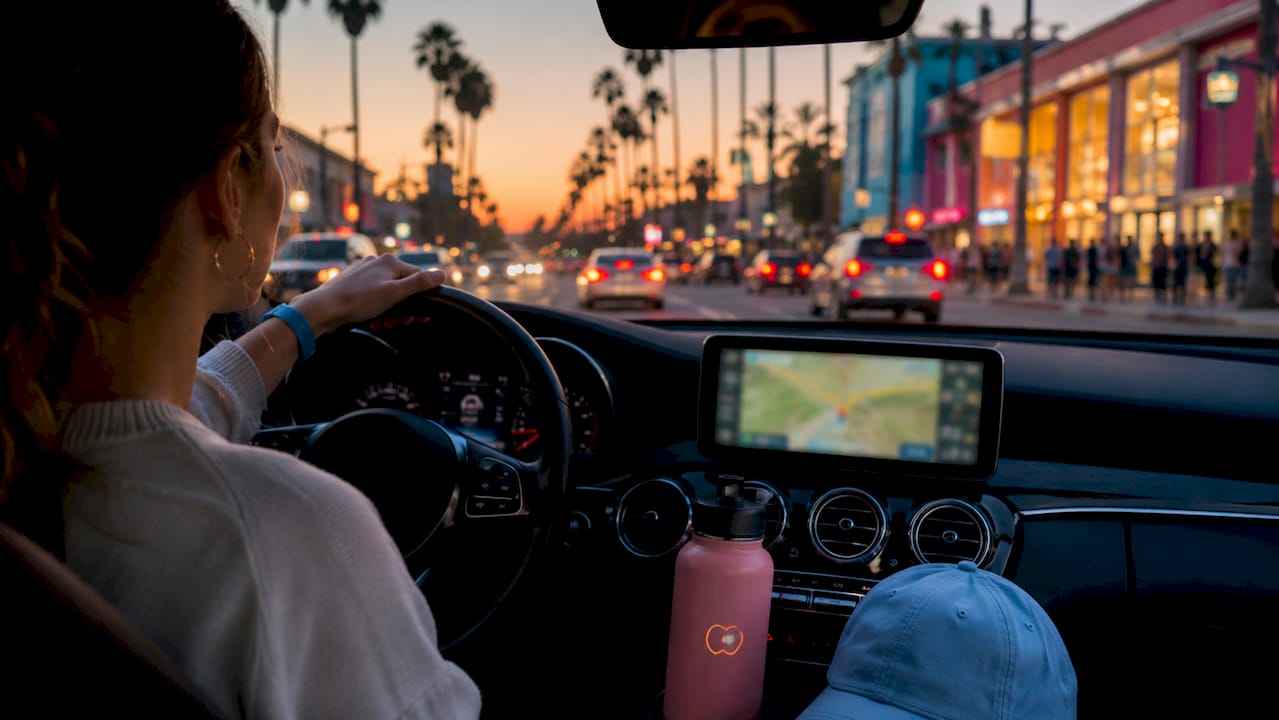
The city covers more than 500 square miles. That means driving from Venice Beach to Griffith Observatory can take over an hour during peak hours, even though they feel close on a map. Visitors who try to bounce between the Westside, Hollywood, and Downtown in a single day routinely burn two to three hours just in transit.
Transit options: what actually works
Rental cars and rideshares remain the standard for weekend visitors, despite ongoing Metro expansions. The Metro system works well for specific corridors, like the E Line connecting Downtown to Santa Monica, but it does not reach coastal areas like Malibu or mountain spots like Griffith Park efficiently.
Here is how the main options compare:
- Rental car: Best for flexibility and reaching coastal or mountain destinations. Budget for parking fees, which can run $20–$40 per day in popular areas.
- Rideshare (Uber/Lyft): Ideal for nights out or short hops within a neighborhood. Surge pricing during weekend evenings can be steep.
- Metro: Reliable for the Downtown to Santa Monica corridor. Free on select days and expanding ahead of the 2028 Olympics.
- Bike/scooter share: Works well within flat neighborhoods like Venice, Santa Monica, and parts of Silver Lake.
Pro Tip: Avoid driving between 7–9 a.m. and 4–7 p.m. on weekdays. On weekends, Saturday mornings before 10 a.m. offer the clearest roads, especially on the 405 and 101 freeways.
What are the key benefits of planning your LA activities in advance?
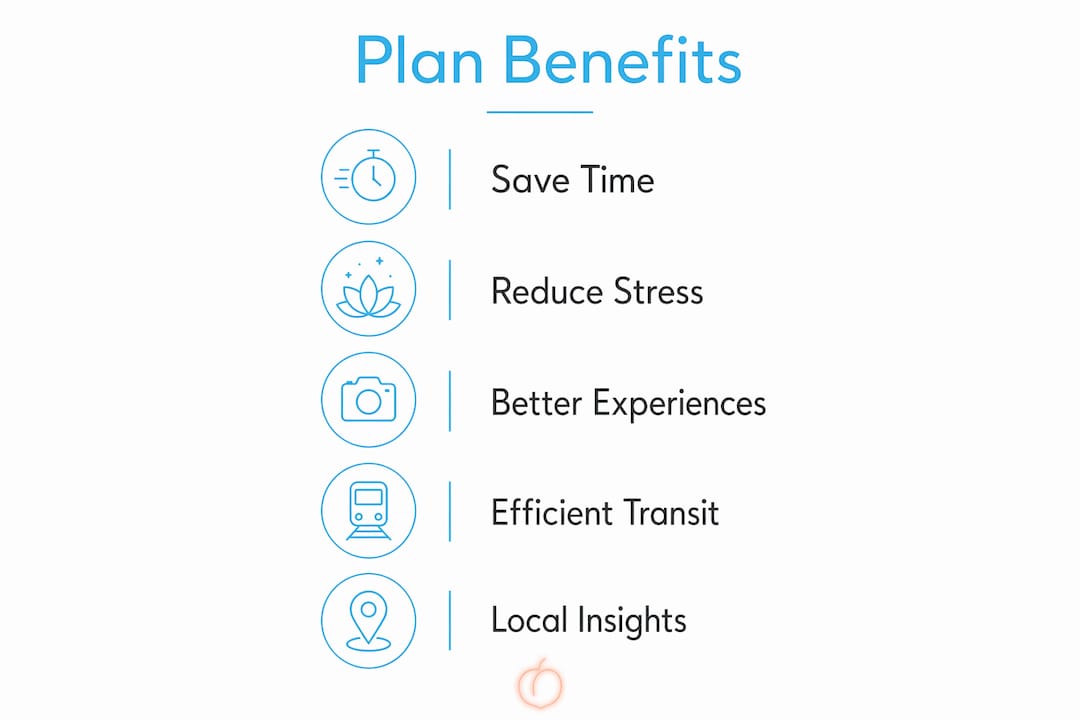
Pre-planning an LA weekend is not about over-scheduling. It is about removing friction so you spend your time experiencing the city instead of figuring out logistics on the fly.
Choosing accommodations near clustered attractions saves hours over a two-day trip. A hotel in Santa Monica puts you within walking distance of the beach, the Third Street Promenade, and Abbot Kinney Boulevard. A hotel in Downtown LA puts you close to the Broad Museum, Grand Central Market, and Little Tokyo. Picking the wrong base can cost you 90 minutes of daily driving.
Pre-booking also matters for specific events. The 2026 FIFA Fan Festival at the Los Angeles Memorial Coliseum operates fully cashless, requiring credit cards or mobile pay for entry and all purchases. Events like this also sell out weeks in advance. Showing up without a ticket or the right payment method means missing out entirely.
Here is what advance planning unlocks:
- Preferred dining reservations at spots like Bestia, Gjelina, or Republique, which book out days or weeks ahead
- Timed entry tickets for the Getty Center, which requires reservations and has limited parking
- Hotel rates that drop significantly when booked two to three weeks out versus last minute
- Event access for concerts at the Hollywood Bowl or games at Crypto.com Arena
Pro Tip: Balancing popular tourist spots with local favorites is the formula Condé Nast Traveler's LA editor recommends. Build one iconic stop per half-day, then fill the rest with neighborhood exploration.
Which LA neighborhoods should you prioritize for a weekend?
Focusing on fewer neighborhoods reduces transit stress and produces richer experiences. Trying to hit every major area in 48 hours is the most common mistake first-time visitors make. Pick two or three zones and go deep.
| Neighborhood | Best for | Top draws |
|---|---|---|
| Downtown LA | Arts, history, food halls | The Broad, Grand Central Market, Little Tokyo |
| Santa Monica / Venice | Beach, outdoor activity | Santa Monica Pier, Venice Boardwalk, Abbot Kinney |
| Hollywood / Los Feliz | Entertainment culture, parks | Griffith Observatory, Hollywood Walk of Fame, Barnsdall Art Park |
| Silver Lake / Echo Park | Local culture, dining | Sunset Junction, local coffee shops, Echo Park Lake |
| Culver City | Art galleries, film history | Museum of Jurassic Technology, Platform shopping center |
Weather shapes which neighborhoods to prioritize and when. LA enjoys nearly 300 days of sunshine per year, making it a strong destination in any month. However, late spring brings "June Gloom," a marine layer that keeps coastal areas overcast until midday. Plan beach visits for the afternoon during May and June so the sun has time to burn through the clouds. Use mornings for inland activities like Griffith Park or museum visits.
The Westside neighborhoods of Santa Monica and Venice are the most walkable zones in the city. Downtown LA offers the densest concentration of cultural institutions within a small radius. Hollywood sits in the middle geographically and works well as a transit hub if you are splitting time between the Westside and the east side.
How to craft a balanced LA weekend itinerary
A weekend visit reveals LA's actual rhythm in a way no travel blog fully captures. The key is building a day-by-day structure that is tight enough to keep you moving but loose enough to follow a good recommendation from a local.
Here is a framework that works for most first-time and returning visitors:
- Saturday morning: Start inland. Visit Griffith Observatory early to beat crowds and get the city view before haze builds. The park opens at 6 a.m. and the observatory at 10 a.m.
- Saturday afternoon: Drive or rideshare to Los Feliz or Silver Lake for lunch. Explore the neighborhood on foot. Sqirl, Botanica, and Courage Bagels are all worth the stop.
- Saturday evening: Head to Downtown LA. Dinner at Grand Central Market or a reservation at Bestia. Walk through the Arts District after dark.
- Sunday morning: Drive to Santa Monica before 10 a.m. to find parking easily. Walk the pier, rent a bike, and ride the Strand south toward Venice.
- Sunday afternoon: Abbot Kinney Boulevard for shopping and coffee. If time allows, drive north to Malibu for a late lunch at Nobu or a walk on El Matador State Beach.
- Sunday evening: Build in buffer time before departure. LA traffic on Sunday evenings heading toward LAX is consistently heavy from 4 p.m. onward.
The most underrated part of any LA itinerary is the buffer. Leave one to two hours unscheduled each day. That is when you find the taco truck that becomes the highlight of the trip or stumble into a gallery opening in Culver City. LA rewards visitors who plan smartly but leave room for the city to surprise them.
For group trips, coordinating accommodation early is especially important. A centrally located rental property beats multiple hotel rooms for both cost and logistics when traveling with four or more people.
Key takeaways
A planned LA weekend consistently delivers richer experiences, fewer transit headaches, and access to the city's best dining, events, and neighborhoods.
| Point | Details |
|---|---|
| Group activities by neighborhood | Reduces daily transit time and lets you explore each area fully. |
| Book accommodations near your focus zone | Saves up to 90 minutes of daily driving across a two-day trip. |
| Plan beach visits for the afternoon | June Gloom clears by midday, making afternoons the best window for coastal activities. |
| Pre-book tickets and reservations | Events like the FIFA Fan Festival and venues like the Getty Center require advance planning. |
| Leave unscheduled buffer time | One to two hours of flexibility per day allows for spontaneous local discoveries. |
Why I think most LA trip advice misses the point
People write about LA like it is a checklist. See the Hollywood Sign. Walk the Walk of Fame. Hit In-N-Out. That version of LA exists, but it is not the one worth planning a trip around.
The first time I spent a weekend in LA without an agenda, I lost an entire Saturday to traffic and indecision. The second time, I picked two neighborhoods and stayed in them. That trip was completely different. I found a record shop in Silver Lake I still think about, ate the best birria tacos of my life from a cart on Sunset, and watched the sun set over the Pacific from a rooftop in Venice. None of that was on a top-ten list.
The real argument for planning an LA weekend is not efficiency. It is depth. When you are not burning time on logistics, you actually notice the city. You slow down enough to talk to the person running the coffee cart or to follow a sign down an alley that leads somewhere interesting. LA has a genuine lifestyle rhythm that only reveals itself when you stop rushing.
Traffic is real. The scale is real. But neither of those things is a reason to avoid LA. They are reasons to show up with a plan and then let the city do the rest.
— Rasmus
Extend your Southern California trip with Peach-residence

An LA weekend hits differently when you have a proper base to decompress. Peach-residence in Palm Springs sits roughly two hours from Los Angeles and offers something the city cannot: total quiet, mountain views with no city lights, and wide-open desert skies. The property sleeps up to 8 people across four distinct bedrooms, starting at just $65 per person per night. Freshly updated in 2025, it fully commits to the Palm Springs indoor/outdoor lifestyle. Doors open, breeze in, and the views do not quit. It is the natural extension of an LA weekend for anyone who wants to trade the freeway for a front-row seat to the desert. Book your Palm Springs stay and see why Southern California is worth more than one stop.
FAQ
Why plan an LA weekend instead of going spontaneously?
LA covers over 500 square miles, and without a plan, most visitors lose hours to traffic between attractions. Grouping activities by neighborhood and pre-booking key venues turns a stressful trip into an efficient one.
What is the best time of year for an LA weekend trip?
LA gets nearly 300 days of sunshine annually, making it a year-round destination. September through November offers warm weather, lighter crowds, and no June Gloom marine layer.
How do I get around LA on a weekend without a car?
The Metro E Line connects Downtown to Santa Monica reliably. For coastal and mountain areas, rideshare services like Uber and Lyft offer the most flexibility, especially for short hops within a neighborhood.
How many neighborhoods can I realistically cover in a weekend?
Two to three neighborhoods is the practical limit for a 48-hour visit. Focusing on fewer areas reduces transit time and allows for deeper exploration rather than rushed sightseeing.
Is Palm Springs worth adding to an LA weekend itinerary?
Palm Springs sits about two hours from Los Angeles and offers a completely different pace. Properties like Peach-residence make it an easy add-on for anyone wanting desert scenery and space to unwind after the city.