

Hosting a small gathering in Palm Springs sounds straightforward until you realize the desert has its own opinions about your schedule. The palm springs event hosting workflow is genuinely different from coordinating events in Los Angeles or San Diego. You're dealing with noise ordinances that kick in at 10 PM, fire safety rules that can shut down a venue on inspection day, golden hour that arrives earlier than your phone tells you because mountains don't care about official sunset times, and a heat arc across the day that dictates when your guests will actually enjoy being outside. Get the workflow right and Palm Springs delivers something extraordinary. Get it wrong and you're issuing refunds.
Table of Contents
- Understanding Palm Springs event hosting essentials
- Preparing your Palm Springs event workflow: scheduling and vendor coordination
- Executing your event: onsite workflows and compliance checks
- Verifying success and post-event follow-up
- Why adapting to Palm Springs' unique environment is the key to event hosting success
- Streamline your next Palm Springs event with Peach Residence
- Frequently asked questions
Key Takeaways
| Point | Details |
|---|---|
| Plan around lighting | Palm Springs’ desert light changes rapidly, so schedule key activities to maximize guest comfort and visual appeal. |
| Comply with noise rules | Classify your event’s sound amplification early to manage permits and avoid fines or disruptions. |
| Maintain fire safety | Confirm your venue’s defensible space clearance ahead of time to ensure compliance with wildfire safety inspections. |
| Use venue support | Leverage venues with dedicated event coordination to simplify planning and onsite management. |
| Respect environment | Visit venues at event times to assess real sunlight and temperature rather than relying on official sunset times. |
Understanding Palm Springs event hosting essentials
Before you build any schedule or book any vendor, you need to understand what makes event planning Palm Springs style genuinely distinct from anywhere else in Southern California. Three forces shape every decision: local regulations, venue capabilities, and the desert environment itself.
Local regulations you cannot ignore
Palm Springs enforces noise restrictions with quiet hours around 10 PM, and amplified sound often requires permits depending on event type and location. This isn't loosely enforced. Violations can result in permit revocation and fines, which means a DJ still playing at 10:05 PM is a liability, not a vibe.
Fire safety is equally non-negotiable. Event venues must maintain 100 feet of defensible space in Very High Fire Hazard Zones to comply with fire safety requirements. If your venue hasn't been inspected recently or vegetation hasn't been cleared, that's a real risk of last-minute disruption. Always verify this before signing anything.
Understanding Palm Springs group rental rules early protects you from surprises that surface the week of your event.
Environmental factors that change your timeline
The sun in Palm Springs is not ambient. It's a presence. Midday temperatures routinely push past 100°F in summer, and even spring events can feel punishing between 11 AM and 4 PM. The light also shifts dramatically. Because the Coachella Valley is surrounded by mountains, golden hour often arrives noticeably earlier than the official sunset time listed on your phone. Plan outdoor photography or key ceremony moments around this, not around a generic app.
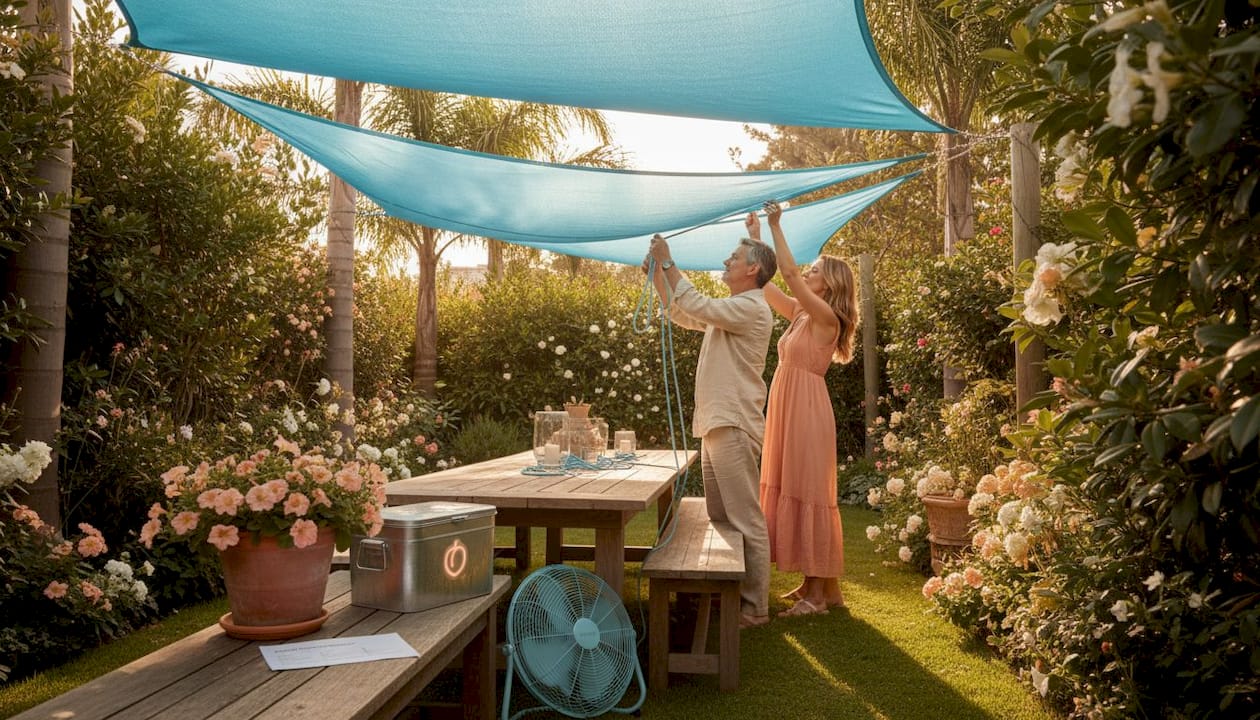
Here's a quick-reference overview of the core compliance and environmental factors that should be built into every event workflow:
| Factor | Requirement or consideration | Impact on workflow |
|---|---|---|
| Noise ordinance | Quiet hours around 10 PM, permits for amplified sound | Hard stop for DJ or live music |
| Defensible space | 100 feet cleared in fire hazard zones | Pre-event venue verification step |
| Heat arc | Peak heat 11 AM to 4 PM | Scheduling outdoor activities early or late |
| Mountain shadow | Earlier effective sunset than official time | Adjust photography and outdoor activity timing |
| Venue capacity | Must match guest count and event type | Critical during Palm Springs venue selection |
Key things every small-group host should confirm before locking in a venue:
- Venue's fire hazard zone classification and most recent brush clearance inspection date
- Whether amplified music requires a permit at the specific property
- Indoor/outdoor flow options for heat mitigation
- Confirmed capacity for your group size, including outdoor areas
- Whether the venue has handled similar event types before
Preparing your Palm Springs event workflow: scheduling and vendor coordination
With your regulatory and environmental context set, here's how to prepare your detailed workflow and vendor coordination in a way that holds up on event day.
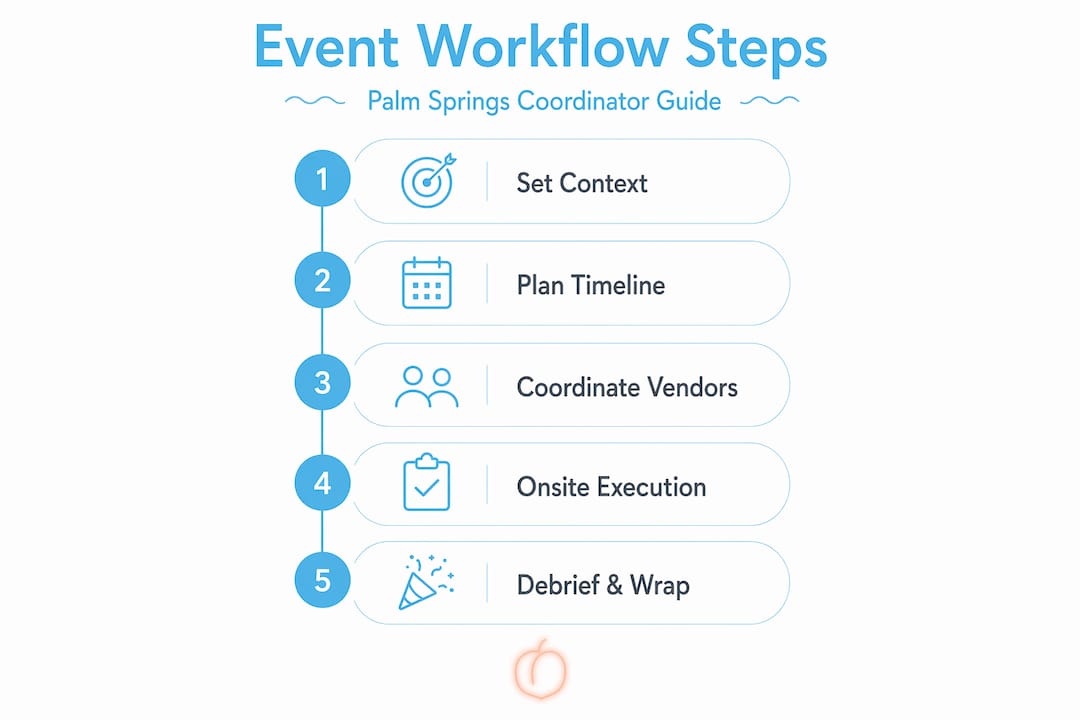
Build your schedule in time blocks, not just a run-of-show
The most useful thing you can borrow from professional event photography workflows is the time-block approach. Palm Springs event photography templates use shot-list style schedules that factor in desert light changes, with block timings for setup, networking, sessions, breaks, and wrap-up. Apply this same structure to your full event schedule. Every block should have a purpose and a dependency noted, so when one thing runs long, you know exactly which buffer absorbs it.
A solid workflow for a small Palm Springs gathering looks like this:
- Week before: Confirm all vendor arrival times, verify noise permit status, re-check defensible space compliance with venue
- Day before: Conduct a venue walkthrough at the same time of day your event runs to assess real light and heat conditions
- Morning of: Vendor load-in with a designated point of contact at the venue; confirm sound levels before guests arrive
- Two hours before guests arrive: Walkthrough of the full event flow with any onsite staff
- One hour before guests arrive: Final check on outdoor areas, shade placements, and cooling options
- Active event: Monitor noise levels, manage transitions between time blocks
- Hard stop buffer: Build in 30 minutes before noise ordinance kicks in to wind down amplified sound naturally rather than abruptly
Classify your event early
One decision that simplifies a surprising amount of downstream coordination is classifying your event early as private or public, and whether it involves amplified sound. Prioritizing vendors familiar with Palm Springs weather, logistics, and flow ensures smoother execution. But beyond vendor selection, this classification determines your permit path, your staffing needs, and your liability exposure.
Private gatherings at a residential property under a certain guest count often avoid the most burdensome permit requirements. Public or semi-public events with amplified music almost always require advance notice or a permit.
Pro Tip: Always ask your venue contact what "private event" means specifically under local rules. The definition matters for permit thresholds and noise enforcement.
The vendors worth paying a premium for in Palm Springs event management are the ones who've worked the Coachella Valley before. They know to bring extra ice, schedule setup before 10 AM, and plan shade for outdoor spaces that don't have natural cover. Local experience isn't a nice-to-have. It directly affects guest comfort and event flow.
Key vendor coordination checklist:
- Confirm load-in windows that avoid peak heat
- Share the hard noise cutoff time in writing with every vendor
- Identify a primary and backup contact for each vendor on event day
- Align on the group arrival workflow so parking and entry don't bottleneck at the same moment
- Provide vendors with venue fire safety requirements so they don't stage equipment in clearance zones
When booking your desert getaway, treat vendor communication as part of the booking process, not something to sort out afterward.
Executing your event: onsite workflows and compliance checks
After preparing your workflow, this section focuses on managing event day operations in a way that keeps you compliant and keeps your guests happy.
Use venue support systems as operational infrastructure
Dedicated event planning support and inquiry systems help coordinate booking and onsite logistics at venues designed for gatherings. Treat these systems as part of your operational team, not just a pre-booking service. A venue coordinator who knows the property and local rules becomes your fastest problem-solving resource when something unexpected comes up.
Here's the step-by-step execution sequence that holds up for Palm Springs events of 8 to 50 guests:
- Arrival and setup (T-3 hours): Confirm defensible space is clear and document with photos; log vendor arrivals against your schedule
- Sound check (T-90 minutes): Test all amplified equipment and confirm levels don't exceed local ordinance thresholds; assign a designated noise monitor for the event duration
- Staff briefing (T-60 minutes): Walk all onsite coordination staff through the event flow, hard stops, and the protocol if a guest or vendor raises a compliance concern
- Guest arrival (T-0): Staff positioned at entry to manage flow and answer questions; outdoor areas staffed for guest guidance and comfort management
- Active event management: Noise monitor checks levels every 30 minutes and reports to the event lead; fire access paths confirmed clear at the midpoint of the event
- Wind-down sequence (T-30 minutes before noise curfew): DJ or live music transitioned to background levels; outdoor amplification off; guests moved to indoor spaces if extended gathering continues
Pro Tip: Assign noise monitoring to a specific person, not "everyone." When it's everyone's job, it's no one's job. One person with a decibel meter app and clear instructions is far more reliable.
The compliance piece most hosts skip
Noise enforcement includes permit revocation and fines for violations. That means your future events at the same venue could be affected by one noncompliant night. Documenting your compliance, sound levels logged, fire paths confirmed, curfew observed, protects you and the venue for future bookings.
"Treating compliance as an ongoing log rather than a checkbox at the end of the event completely changes how you manage event day risk." This is the shift from reactive event coordination to proactive Palm Springs event management.
Verifying success and post-event follow-up
Having successfully executed your event, here's how to verify compliance and build a better workflow for your next Palm Springs gathering.
What to document before anyone leaves
- Photograph the defensible space clearance at the end of the event. Annual fire inspections make early and ongoing defensible space compliance critical to avoiding disruptions in future events. Having photo evidence protects you if an inspection occurs in the days following.
- Log the actual noise cutoff time and confirm amplified sound ended before the ordinance threshold
- Document any vendor arrivals or departures that deviated significantly from the schedule, these become inputs for your next event's buffer planning
- Confirm venue restoration is complete, including removal of any temporary structures from fire clearance zones
Collecting feedback that actually improves your workflow
Generic "how was the event" surveys miss the data you need. Ask vendors specifically about load-in timing, heat and shade conditions, and any moments where the schedule caused pressure. Ask guests about comfort transitions between indoor and outdoor spaces. These are the friction points that Palm Springs event logistics planning surfaces repeatedly.
Pro Tip: Send your vendor debrief within 48 hours while details are fresh. A 5-minute phone call with your caterer or AV tech yields more actionable notes than a survey sent a week later.
Schedule a structured debrief
Within one week of the event, gather your core team, venue contact, primary vendors, and any planning support staff for a 30-minute debrief. Three questions structure it well: What worked exactly as planned? What required real-time adjustment? What would you change in the workflow before the next event? The answers feed directly into your post-event compliance checks and scheduling templates for future bookings.
Post-event follow-up checklist:
- Document all compliance points with photos and timestamps
- Send vendor debrief requests within 48 hours
- Collect guest feedback focused on comfort and flow
- Update your event workflow template with real timing data
- File any permit documentation returned to city records
- Confirm venue restoration and return any deposits
Why adapting to Palm Springs' unique environment is the key to event hosting success
Here's the thing most event workflow guides won't tell you: creativity doesn't solve a Palm Springs compliance problem. Rigor does.
Most hosts treat the desert environment as a backdrop. They plan the aesthetic, book the venue, and then scramble when the sun turns savage at noon or the noise curfew approaches before the event has found its rhythm. The desert light coordination burden is genuinely underestimated, and treating lighting as a first-class workflow input rather than a photography concern changes how the entire schedule is built.
The same logic applies to fire safety. Hosts who discover their venue has a clearance issue the week of the event aren't unlucky. They just didn't build a verification step into their workflow early enough. That's a process failure, not a venue failure. And early classification of amplified sound activity simplifies your entire compliance path in ways that save hours of scrambling later.
What actually separates smooth Palm Springs events from stressful ones is the treatment of venue staff as operational partners rather than service providers. When a venue coordinator knows your schedule, your compliance concerns, and your guest flow plan, they become your fastest problem-solving resource on event day. That relationship is worth more than any app or checklist.
The workflow streamlining approach that works here is deceptively simple: treat every local constraint (heat, light, noise, fire) as a scheduling input with a concrete time or buffer attached to it, not as a risk to manage later. Build the workflow around the desert first. Then layer in your event vision.
Streamline your next Palm Springs event with Peach Residence
Ready to put these workflow best practices into action? Peach Residence is built for exactly the kind of intimate, well-run gathering this guide has been preparing you for. It's a private, end-of-the-cul-de-sac property with mountain views and room for up to 8 guests. The indoor/outdoor flow is real, not just a listing description. Doors open, the breeze comes in, and the outdoor spaces are set up for comfort across the full arc of a desert day.
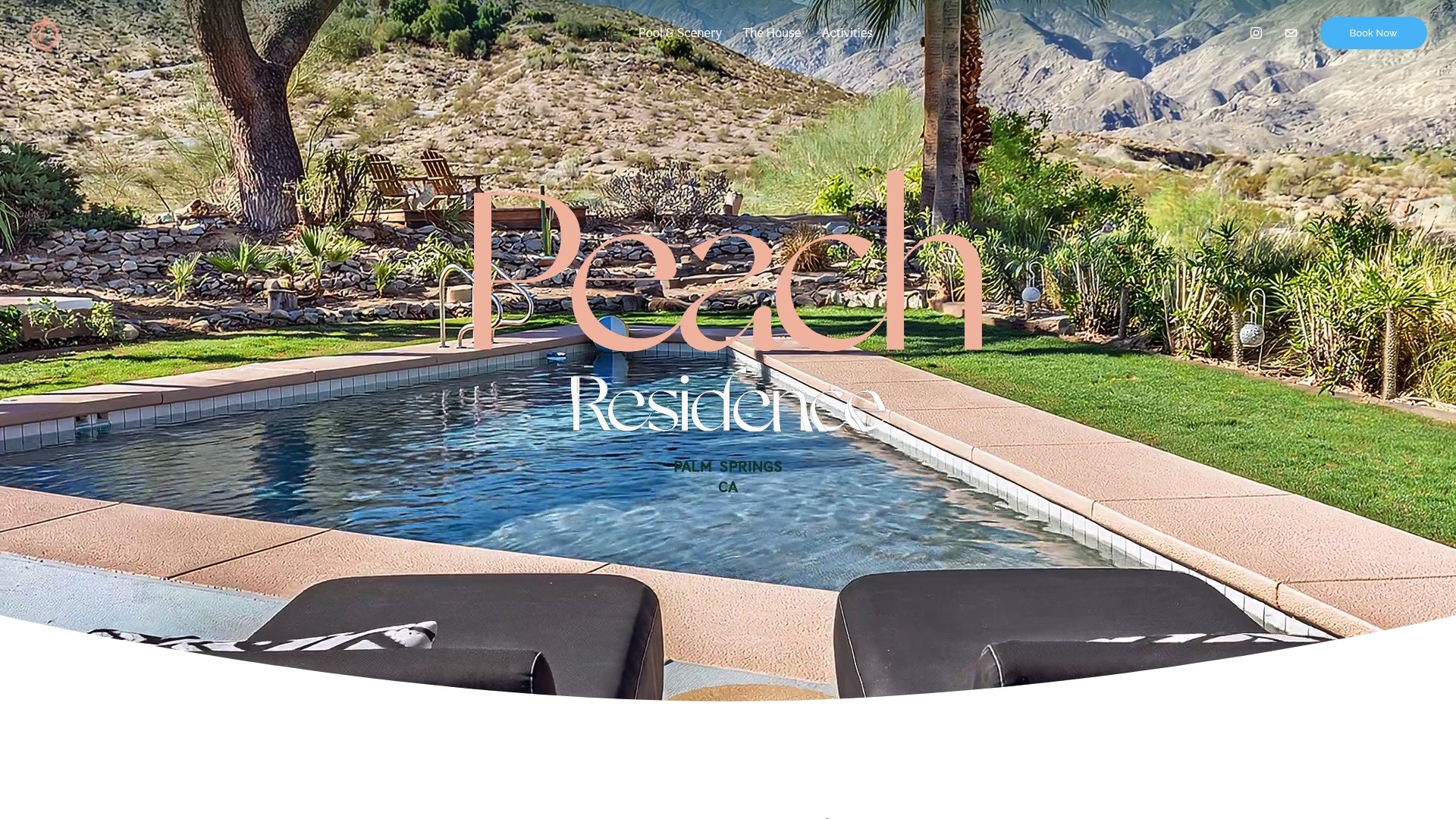
Four distinct bedrooms, freshly updated in 2025, and an environment designed around that Palm Springs feeling of deliberate calm. The property sits in a quiet, low-density setting that naturally supports the noise and fire compliance framework this guide outlines. Explore the full property details to see how the space aligns with your event's workflow needs, and check out the activities and amenities that make it easy to design an experience your guests will actually remember. Reach out directly to discuss your specific event timeline and booking options.
Frequently asked questions
Do I need a permit for playing amplified music at a private Palm Springs event?
Private gatherings generally do not require a permit but must still comply with noise limits and respect quiet hours, especially after 10 PM. The key variable is whether the event is classified as truly private under local definitions.
What is defensible space and why does it matter for Palm Springs event venues?
Defensible space is a cleared area around a property, typically 100 feet in Very High Fire Hazard zones, designed to reduce wildfire risk and keep properties compliant with safety inspections. For event hosts, an unverified clearance is a real risk of last-minute cancellation.
How should I schedule my event around Palm Springs' desert sunlight?
Schedule main outdoor activities in the early morning or after 4 PM to avoid peak heat, and note that golden hour arrives earlier in desert valleys due to mountain shadows, which affects both guest comfort and any photography moments you've planned.
What venue features should small-group hosts prioritize in Palm Springs?
Prioritize venues with verified fire compliance, adaptable indoor/outdoor flow, and coordination support. Dedicated venue coordination and inquiry systems significantly reduce onsite friction for small groups navigating local regulations.
Can I rely on the official sunset time when planning outdoor events in Palm Springs?
No. The sun sets behind mountains earlier than the official time, so visiting your venue at the same time of day as your planned event is the most reliable way to assess actual light and temperature conditions before locking in your schedule.